
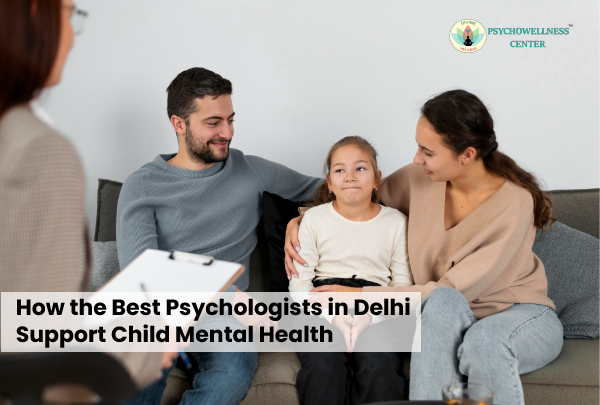
Child mental health is an essential aspect of overall development, influencing how children think, feel, learn, and interact with others. While many emotional and behavioural changes are a natural part of growing up, some concerns require structured support to prevent long-term difficulties. Psychologists play a critical role in identifying, assessing, and addressing these concerns through evidence-based approaches tailored to a child’s developmental needs.
Understanding how professional support works can help parents make informed decisions about their child’s well-being.
Understanding Child Mental Health
Children’s mental health includes their emotional control, behavioural patterns, social skills, and cognitive development. Factors such as family environment, academic expectations, peer relationships, and life transitions all influence psychological well-being.
Difficulties may present in various ways, including withdrawal, irritability, academic decline, or challenges in communication. Conditions such as anxiety, depression, or attention-related concerns like ADHD can emerge during childhood and may require early intervention. Recognising these patterns early allows for timely and effective support.
Comprehensive Psychological Assessment
One of the first steps child psychologists take is conducting a detailed assessment. This involves understanding the child’s developmental history, current concerns, and behavioural patterns across different settings such as home and school.
Standardised tools, observations, and parent interviews help create a clear picture of the child’s needs. In some cases, assessments may identify conditions such as autism, intellectual disability, or developmental delay, enabling targeted intervention.
A thorough assessment ensures that support is not based on assumptions but on an accurate understanding.
Individualised Treatment Planning
After assessment, psychologists develop personalised intervention plans tailored to the child’s specific needs. Each child is unique, and treatment plans consider developmental stage, strengths, and areas of difficulty.
This individualised approach increases the effectiveness of therapy and ensures that interventions are practical and relevant for the child’s daily life.
Evidence-Based Therapeutic Approaches
Psychologists use structured and research-backed methods to support child mental health. One commonly used approach is CBT (Cognitive Behavioural Therapy), which helps children identify and change unhelpful thought patterns and behaviours.
For children who struggle with emotional regulation, techniques from DBT (Dialectical Behaviour Therapy) may be incorporated to build skills such as distress tolerance and emotional awareness.
Other approaches, including play therapy and behavioural interventions, are adapted to suit younger children who may not express themselves verbally.
These therapies are designed to be engaging, age-appropriate, and effective.
Supporting Emotional Regulation
Many children experience difficulty understanding and managing their emotions. This may lead to frequent outbursts, withdrawal, or difficulty coping with frustration.
Psychologists help children recognise their emotions, identify triggers, and develop strategies to respond in a balanced way. Over time, this improves self-control and emotional stability.
Strengthening emotional regulation also supports better relationships with peers and family members.
Addressing Behavioural Concerns
Behavioural challenges such as aggression, defiance, or avoidance can disrupt a child’s daily functioning. These behaviours often reflect underlying emotional or cognitive difficulties.
Therapy focuses on identifying the causes of these behaviours and replacing them with more adaptive responses. Behavioural strategies, positive reinforcement, and consistent routines are commonly used to support change. Parents are often guided on how to reinforce these strategies at home.
Enhancing Social Skills
Social interaction is a key component of child development. Some children may struggle with communication, understanding social cues, or forming friendships.
Psychologists work on building these skills through structured exercises and real-life practice. This is particularly important for children with conditions such as autism, where social communication may require targeted intervention. Improved social skills contribute to better peer relationships and increased confidence.
Involving Parents and Caregivers
Effective child counselling involves collaboration with parents and caregivers. Psychologists provide guidance on supporting the child’s development at home and managing challenging behaviours.
Parental involvement ensures consistency across environments, which is crucial for long-term progress. It also helps parents better understand their child’s emotional and behavioural needs. Regular feedback and guidance strengthen the overall effectiveness of therapy.
Supporting Academic and Cognitive Development
Mental health concerns can affect a child’s ability to focus, learn, and perform academically. Psychologists work with children to improve attention, problem-solving skills, and study habits.
In cases involving adhd or learning difficulties, targeted strategies help children manage academic demands more effectively.
This support enhances both academic performance and self-confidence.
Early Intervention and Long-Term Benefits
Early intervention is one of the most important aspects of child mental health care. Addressing concerns at an early stage prevents patterns from becoming deeply ingrained.
Children who receive timely support are more likely to develop resilience, adaptive coping skills, and healthy emotional patterns. This has a lasting impact on their overall development and future well-being.
When to Seek Professional Support
Parents may consider consulting a psychologist if they notice persistent behavioural changes, emotional distress, or developmental concerns. Difficulty in social interactions, academic decline, or challenges in managing emotions are also important indicators.
Seeking support early allows for more effective intervention and reduces the likelihood of long-term difficulties.
Conclusion
Child mental health requires careful attention, structured support, and early intervention when needed. Psychologists play a vital role in assessing concerns, providing evidence-based treatment, and supporting children in developing essential emotional, behavioural, and social skills.
Parents exploring options for the mental health of their child can search for a child psychologist near me, kids therapist near me, best psychologists in Delhi and top psychologists in Delhi may consider consulting the Psychowellness Center. With centres located in Janakpuri and Dwarka Sec-17, Delhi, services are delivered through a structured and child-focused approach; appointments can be scheduled at 011-47039812 or 7827208707.
Additionally, Talktoangel provides a reliable online platform that connects families with qualified professionals, ensuring accessible, consistent support for children’s mental health concerns.
Contributions: Dr. R.K. Suri, Clinical Psychologist, and Ms. Charavi Shah, Counselling Psychologist
References
- Kazdin, A. E. (2017). Parent management training: Treatment for oppositional, aggressive, and antisocial behavior in children and adolescents. Oxford University Press.
- Reynolds, C. R., & Kamphaus, R. W. (2013). Handbook of psychological and educational assessment of children: Intelligence, aptitude, and achievement (3rd ed.). Guilford Press.
- Weisz, J. R., & Kazdin, A. E. (2017). Evidence-based psychotherapies for children and adolescents (3rd ed.). Guilford Press.
- https://www.psychowellnesscenter.com/Blog/child-and-adolescent-counselling-in-delhi-for-behavioural-issues/
- https://www.psychowellnesscenter.com/Blog/how-to-empower-good-mental-health-in-your-child/
- https://www.psychowellnesscenter.com/Blog/criterion-for-early-mental-health-screening-among-children/
- https://www.psychowellnesscenter.com/Blog/supporting-child-growth-through-child-counselling-near-me/
- https://www.psychowellnesscenter.com/Blog/10-ways-to-speak-to-your-child-about-mental-health/