
You’ve been feeling off for a while – nothing too serious, just a constant sense of unease. You’re more irritable than usual, your sleep feels disturbed, and small tasks seem harder than before. You tell yourself, “It’s just a phase. I’ll manage.” Weeks pass, then months- and suddenly, what once felt manageable begins to feel overwhelming.
Now imagine if you had spoken to a professional earlier.
This is the power of early intervention.
What Does Early Intervention Really Mean?
Early intervention refers to seeking professional support at the first signs of emotional, behavioural, or psychological discomfort, before the issue becomes severe or deeply ingrained.
Instead of waiting for symptoms to escalate into major concerns like depression or intense anxiety, individuals address them at a stage where they are more manageable and responsive to change.
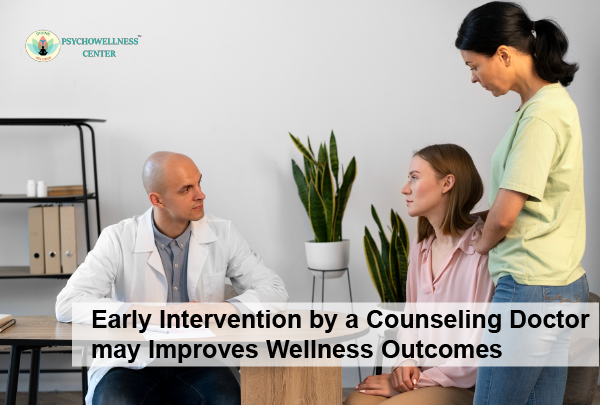
A counselling doctor or mental health professional helps identify subtle signs, understand underlying causes, and guide individuals toward healthier coping mechanisms.
Why Do People Delay Seeking Help?
Despite growing awareness, many individuals hesitate to seek support early. Some common reasons include:
- Believing the issue is “not serious enough”
- Fear of being judged
- Lack of awareness about available support
- Assuming the problem will resolve on its own
However, emotional struggles rarely disappear without attention. Ignoring them can lead to increased Stress, reduced productivity, and even long-term mental health challenges.
The Ripple Effect of Untreated Concerns
When early signs are ignored, they often evolve into more complex issues. For example:
- Mild stress can turn into chronic tension or burnout
- Occasional worry may develop into generalised anxiety disorder
- Emotional fatigue may lead to persistent low mood or depression
These challenges can begin to affect other areas of life, including relationships, work, and physical health. Over time, individuals may also experience work or school problems, difficulty concentrating, and emotional exhaustion.
Early intervention prevents this ripple effect by addressing concerns before they intensify.
How Early Intervention Improves Outcomes
1. Faster Recovery
When issues are addressed early, they are often less complex and easier to manage. This leads to quicker recovery and reduced need for intensive interventions later.
2. Better Emotional Awareness
Through psychological counselling, individuals gain insight into their thoughts, emotions, and behaviours. This awareness helps them recognise triggers and respond more effectively.
3. Stronger Coping Skills
Early intervention equips individuals with practical tools to manage challenges. Techniques such as relaxation exercises, cognitive restructuring, and emotional regulation become part of daily life.
These skills not only address current concerns but also prepare individuals for future challenges.
4. Prevention of Long-Term Complications
By addressing issues early, individuals reduce the risk of developing more severe mental health conditions.
The Role of Therapy in Early Stages
Therapy is not just for crises- it is a space for reflection, growth, and prevention.
One of the most effective approaches used during early intervention is cognitive-behavioural therapy, which helps individuals identify and change unhelpful thought patterns. By addressing these patterns early, individuals can prevent them from becoming deeply ingrained habits.
Another approach, solution-focused brief therapy, emphasises immediate goals and practical solutions. It is particularly helpful for individuals seeking clarity and direction without long-term distress.
These approaches are tailored to individual needs, making early intervention both flexible and effective.
Emotional and Physical Benefits
Mental health is closely linked to physical well-being. Early intervention not only improves emotional health but also has positive effects on the body.
Individuals may notice:
- Improved sleep quality
- Increased energy levels
- Better concentration
- Reduced physical symptoms of stress
Addressing emotional concerns early can also prevent issues like insomnia, which often arises from prolonged stress or anxiety.
Strengthening Relationships
Unaddressed emotional challenges often impact relationships. Irritability, withdrawal, or miscommunication can create distance between individuals and their loved ones.
Early intervention helps individuals understand their emotional responses and improve communication.
In many cases, addressing personal concerns early reduces the likelihood of developing significant relationship problems later.
Shifting the Mindset: From Reaction to Prevention
Traditionally, mental health care has been reactive- people seek help only when problems become overwhelming. Early intervention shifts this approach toward prevention.
It encourages individuals to:
- Pay attention to early signs
- Seek support without hesitation
- View mental health care as a regular part of well-being
This proactive mindset reduces stigma and promotes a healthier relationship with mental health.
When Should You Consider Early Intervention?
You don’t need to wait for a crisis. Consider seeking support if you notice:
- Persistent stress or anxiety
- Changes in mood or behavior
- Difficulty concentrating or sleeping
- Feeling overwhelmed or emotionally drained
Reaching out to a professional at this stage can make a significant difference in outcomes.
A Small Step With a Big Impact
Early intervention may seem like a small step, but its impact is far-reaching. It not only addresses current concerns but also builds a foundation for long-term resilience and well-being.
By taking action early, individuals gain control over their mental health rather than reacting to crises later.
Conclusion
Early intervention by a counselling doctor plays a crucial role in improving overall wellness outcomes. By addressing emotional and psychological concerns at an early stage, individuals can prevent them from developing into more complex challenges. For those searching for a Counselling Center Near me, trusted support from Psychowellness Center, offering expert counselling in Delhi and access to a qualified psychologist in Delhi, can make a meaningful difference. Early support helps individuals build resilience, manage stress effectively, and achieve a healthier, more balanced life.
You can also explore mental health awareness videos on Psychowellness Center’s YouTube channel, which highlight the importance of counselling and how early intervention leads to better emotional well-being and long-term wellness.
Contributions: Dr. R.K. Suri, Clinical Psychologist, and Ms. Arushi Srivastava, Counselling Psychologist
References
Kazdin, A. E. (2017). Evidence-based psychotherapies for children and adolescents (3rd ed.). Guilford Press.
McGorry, P. D., Ratheesh, A., & O’Donoghue, B. (2018). Early intervention—An implementation challenge for 21st-century mental health care. JAMA Psychiatry, 75(6), 545–546. https://doi.org/10.1001/jamapsychiatry.2018.0621
National Institute for Health and Care Excellence (NICE). (2011). Common mental health problems: Identification and pathways to care. NICE Guidelines.
World Health Organisation. (2022). World mental health report: Transforming mental health for all. World Health Organisation.
Cuijpers, P., Beekman, A. T. F., & Reynolds, C. F. (2012). Preventing depression: A global priority. JAMA, 307(10), 1033–1034. https://doi.org/10.1001/jama.2012.271
https://www.psychowellnesscenter.com/Blog/why-early-mental-health-support-matters/
https://www.psychowellnesscenter.com/Blog/signs-you-should-consult-a-psychologist/
https://www.psychowellnesscenter.com/Blog/benefits-of-seeking-therapy-early/
https://www.psychowellnesscenter.com/Blog/how-counselling-helps-in-managing-stress-and-anxiety/
https://www.psychowellnesscenter.com/Blog/importance-of-mental-health-awareness/