
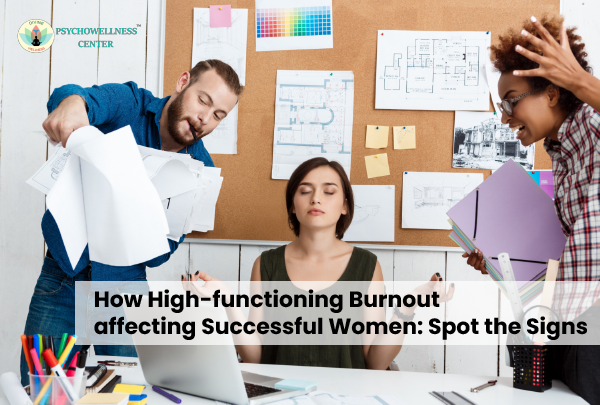
In today’s fast-paced and achievement-driven world, many women are excelling in their careers, managing households, maintaining relationships, and striving to meet personal goals, all at once. On the surface, they appear confident, composed, and successful. However, beneath this polished exterior, many are silently struggling with a hidden challenge: high-functioning burnout.
High-functioning burnout is particularly complex because it often goes unnoticed. Unlike traditional burnout, where individuals may visibly withdraw or underperform, women experiencing high-functioning burnout continue to meet expectations and deliver results, while internally feeling exhausted, overwhelmed, and emotionally drained. This silent struggle can take a significant toll on mental health and physical health if left unaddressed.
Understanding High-Functioning Burnout
Burnout is typically defined as a state of emotional, physical, and mental exhaustion caused by prolonged stress. High-functioning burnout, however, presents differently. Women experiencing this form of burnout continue to “function” at a high level, maintaining productivity, meeting deadlines, and appearing successful, despite feeling depleted.
This phenomenon is especially common among high-achieving women who have internalized societal expectations to “do it all” and do it perfectly. The pressure to excel professionally while also fulfilling roles as caregivers, partners, and individuals often leads to chronic stress and eventual burnout.
Why Successful Women Are More Vulnerable
Several factors contribute to the increased risk of high-functioning burnout among successful women:
- Perfectionism and High Standards
Many successful women set exceptionally high standards for themselves. While this drive can lead to achievements, it also creates constant pressure and fear of failure.
- Societal Expectations
Women are frequently expected to perform a variety of roles with ease. The expectation to be a perfect professional, mother, partner, and individual can be overwhelming.
- Difficulty Setting Boundaries
Women may struggle to say “no” due to fear of disappointing others or being perceived as incapable, leading to overcommitment.
- Emotional Labor
Beyond professional responsibilities, women often carry the burden of emotional caregiving in relationships, adding to their mental load.
Signs of High-Functioning Burnout
Recognizing the signs of high-functioning burnout is essential for early intervention. Since individuals continue to perform well outwardly, these signs are often internal and subtle:
- Chronic Exhaustion
Even after rest, there is a persistent feeling of fatigue. Despite getting enough sleep, energy levels are still low.
- Emotional Numbness
Women may feel emotionally detached or find it harder to enjoy once-enjoyed hobbies.
- Increased Irritability
Small inconveniences may trigger disproportionate frustration or impatience. - Overworking Without Satisfaction
Despite achieving goals, there is little sense of accomplishment or fulfillment.
- Physical Symptoms
Frequent headaches, muscle tension, digestive issues, or weakened immunity can be indicators of prolonged stress.
- Difficulty Relaxing
Even during downtime, the mind remains occupied with tasks, responsibilities, or worries.
- Self-Doubt and Imposter Syndrome
Despite success, many women feel they are not “good enough” or fear being exposed as inadequate.
The Hidden Cost of “Functioning”
One of the most dangerous aspects of high-functioning burnout is that it is often normalized or even praised. Women who continue to perform despite exhaustion are seen as resilient and dedicated. However, this “push through” mindset can lead to severe long-term consequences, including anxiety, depression, sleep disturbance, substance use, suicidal ideation, anger issues, and physical health issues.
Ignoring burnout does not make it disappear, it intensifies over time. The body and mind eventually demand rest, sometimes in the form of breakdowns, chronic illness, or emotional collapse.
Breaking the Cycle
Addressing high-functioning burnout requires intentional effort and self-awareness. Here are some effective strategies:
- Acknowledge the Burnout
The first step is recognizing that feeling constantly exhausted is not normal. It’s critical to acknowledge that change is necessary.
- Redefine Success
Well-being shouldn’t be sacrificed for success. Women must challenge the idea that productivity equals worth.
- Set Boundaries
Learning to say “no” and prioritizing personal time can significantly reduce stress levels.
- Practice Self-Compassion
Replacing self-criticism with kindness helps reduce internal pressure and promotes emotional control.
- Incorporate Rest and Recovery
Regular breaks, hobbies, and relaxation practices are essential, not optional.
- Seek Professional Support
Therapy and counseling can provide tools to manage stress, process emotions, and rebuild balance.
Role of Professional Support
Mental health support plays a vital role in helping women navigate high-functioning burnout. Professional guidance can help identify underlying patterns such as perfectionism, people-pleasing tendencies, and unresolved emotional stress.
Psychowellness Center, with its presence in Janakpuri and Dwarka Sec-17 (011-47039812 / 7827208707), offers comprehensive mental health services tailored to individuals experiencing burnout, stress, and emotional exhaustion. With a team of experienced best psychologists in India and best psychologists near me, best psychologists in Dwarka, and best psychologists in Janakpuri, the center focuses on personalized care, helping women develop healthier coping mechanisms, set boundaries, and restore emotional balance.
Through evidence-based approaches such as Cognitive Behavioral Therapy (CBT), mindfulness techniques, and stress management interventions, individuals can regain control over their mental well-being and lead more fulfilling lives.
Conclusion
High-functioning burnout highlights an important truth: success without well-being is not sustainable. Women must shift from a mindset of constant achievement to one of balance and self-care.
It is important to remember that rest is not a sign of weakness; it is a necessity. Taking breaks, asking for help, and prioritizing mental health are powerful steps toward long-term success and happiness.
By recognizing the signs early and taking proactive steps, women can protect their mental health while continuing to thrive in their personal and professional lives.
Contributions: Dr. R.K. Suri, Clinical Psychologist, and Ms. Sakshi Dhankhar, Counselling Psychologist
References
American Psychological Association. (2019). Burnout and stress in the workplace. American Psychological Association.
https://www.psychowellnesscenter.com/Blog/the-balancing-act-career-family-and-mental-health/
https://www.psychowellnesscenter.com/Blog/successful-as-an-employee-and-yet-secretly-suffering/
https://www.psychowellnesscenter.com/Blog/how-to-save-oneself-from-mental-rumination/
https://www.psychowellnesscenter.com/Blog/from-burnout-to-thriving-ensuring-employees-wellbeing/
Maslach, C., & Leiter, M. P. (2016). Burnout: A brief history and how to prevent it. Harvard Business Review Press.
Schaufeli, W. B., Leiter, M. P., & Maslach, C. (2009). Burnout: 35 years of research and practice. Career Development International, 14(3), 204–220.