
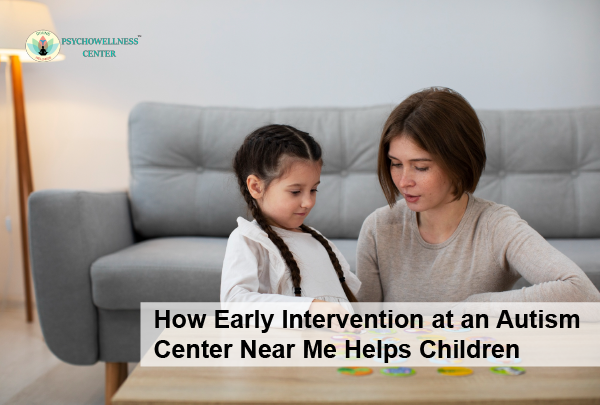
Every child develops at their own pace—but sometimes, certain developmental differences may need closer attention and timely support. For children on the autism spectrum, early intervention can play a life-changing role in shaping their communication, behaviour, and overall development. This is why many parents today actively search for an autism center near me—because the earlier the support begins, the greater the impact it can have. Understanding the importance of early intervention is not just about awareness; it’s about taking proactive steps to help children reach their fullest potential in a supportive and structured environment.
What Is Early Intervention in Autism?
Early intervention refers to therapeutic support provided to children, typically before the age of six, to address developmental delays and challenges. In the case of autism, this support focuses on improving communication skills, social interaction, behaviour regulation, and learning abilities. Children with autism may experience difficulties in areas such as speech, emotional expression, and sensory processing. Early intervention programs are designed to address these challenges through structured, evidence-based approaches tailored to each child’s unique needs.
Why Timing Matters
Early years of a child’s life are critical for brain development. During this period, the brain is highly adaptable, making it easier to build new skills and behaviours. Starting therapy early helps children:
- Develop communication and language skills
- Improve social interaction
- Reduce challenging behaviors
- Build independence in daily activities
Delaying support can make it harder for children to catch up later, which is why early identification and action are so important.
Key Areas Addressed in Early Intervention
A well-rounded intervention plan focuses on multiple aspects of development:
- Communication Skills:- Many children on the spectrum face challenges with speech and understanding language. Therapy helps them express needs, emotions, and thoughts more effectively.
- Social Interaction:- Children learn how to engage with others, make eye contact, and understand social cues—skills that are essential for building relationships.
- Behaviour Management:– Therapists work with children to reduce repetitive behaviours and improve emotional regulation. This is especially helpful in managing anger or frustration that may arise due to communication difficulties.
- Sensory Processing:- Some children are highly sensitive to sounds, lights, or textures. Early therapy helps them adapt and respond more comfortably to their environment, especially in cases of sensory processing disorder.
The Emotional Impact on Families
Raising a child with developmental challenges can be overwhelming for families. Parents may experience stress as they navigate diagnosis, therapy options, and daily caregiving responsibilities. Early intervention not only supports the child but also empowers parents. Through guidance and counselling, families learn how to better understand their child’s needs, respond effectively, and create a supportive home environment.
Role of Specialized Centers
Choosing the right support system is crucial. A professional center provides structured programs, trained therapists, and a safe environment for children to learn and grow. Parents often search for autism therapy near me to find accessible and reliable services. These centres typically offer a combination of therapies such as:
- Behavioral therapy
- Occupational therapy
- Social skills training
Each program is tailored to the child’s developmental level and specific challenges.
Building Independence Through Early Support
One of the biggest goals of early intervention is to help children become more independent. This includes learning daily living skills, managing routines, and interacting confidently with others. Over time, children who receive early support are better equipped to handle school environments, build friendships, and adapt to new situations.
Addressing Co-Occurring Challenges
Some children with autism may also experience additional challenges, such as ADHD or attention difficulties. Early intervention helps identify and address these concerns alongside autism, ensuring a more comprehensive approach to development. In some cases, children may also show signs of developmental delay, which can affect learning and motor skills. A structured therapy plan helps bridge these gaps effectively.
The Importance of Consistency
Consistency is key when it comes to early intervention. Regular therapy sessions, combined with reinforcement at home, create a stable learning environment for the child. Parents play a vital role in this process. By actively participating in therapy and applying strategies at home, they can significantly enhance the effectiveness of the intervention.
Breaking the Stigma
Despite growing awareness, there is still stigma surrounding developmental conditions. Many families hesitate to seek help due to fear of judgment or denial. However, early intervention is not about labelling a child—it’s about understanding their needs and providing the right support at the right time. The sooner families take action, the better the outcomes for the child.
When Should You Seek Help?
Parents should consider consulting a professional if they notice:
- Delayed speech or lack of communication
- Limited eye contact
- Repetitive behaviors
- Difficulty in social interaction
- Unusual sensory responses
Searching for an autism center near me can be the first step toward getting the right guidance and support.
Conclusion
Early intervention can play a powerful role in shaping a child’s developmental journey. With timely and structured support at Psychowellness Center, children on the autism spectrum can develop essential life skills, strengthen communication, and move toward greater independence and confidence in everyday life.
At Psychowellness Center, parents searching for an autism center near me, a reliable autism therapy centre near me, or an experienced autism therapist near me can find comprehensive and personalised care under one roof. The centre’s team of skilled professionals creates tailored, evidence-based intervention plans that address each child’s unique developmental needs, ensuring meaningful progress and long-term growth.
To further support parents and caregivers, Psychowellness Center’s YouTube channel offers valuable content on child development, developmental delays, autism awareness, and the role of empathy and humanity in caregiving. These videos provide expert insights along with practical strategies, helping families better understand their child’s journey while building a compassionate and informed approach to support. Those interested can visit their centres in Dwarka and Janakpuri, New Delhi, or reach out at 011-47039812 / 7827208707 for further assistance.
Contributions: Dr. R.K. Suri, Clinical Psychologist, and Ms. Mansi, Counselling Psychologist
References
- Dawson, G., Rogers, S., Munson, J., Smith, M., Winter, J., Greenson, J., … Varley, J. (2010). Randomised, controlled trial of an intervention for toddlers with autism: The Early Start Denver Model. Pediatrics, 125(1), e17–e23. https://doi.org/10.1542/peds.2009-0958
- Zwaigenbaum, L., Bauman, M. L., Stone, W. L., Yirmiya, N., Estes, A., Hansen, R. L., … Wetherby, A. (2015). Early identification of autism spectrum disorder: Recommendations for practice and research. Pediatrics, 136(Supplement 1), S10–S40. https://doi.org/10.1542/peds.2014-3667C
- Schreibman, L., Dawson, G., Stahmer, A. C., Landa, R., Rogers, S. J., McGee, G. G., … Halladay, A. (2015). Naturalistic developmental behavioural interventions: Empirically validated treatments for autism spectrum disorder. Journal of Autism and Developmental Disorders, 45(8), 2411–2428. https://doi.org/10.1007/s10803-015-2407-8
- https://www.psychowellnesscenter.com/Blog/autism-therapy-near-me-for-early-development-intervention/