
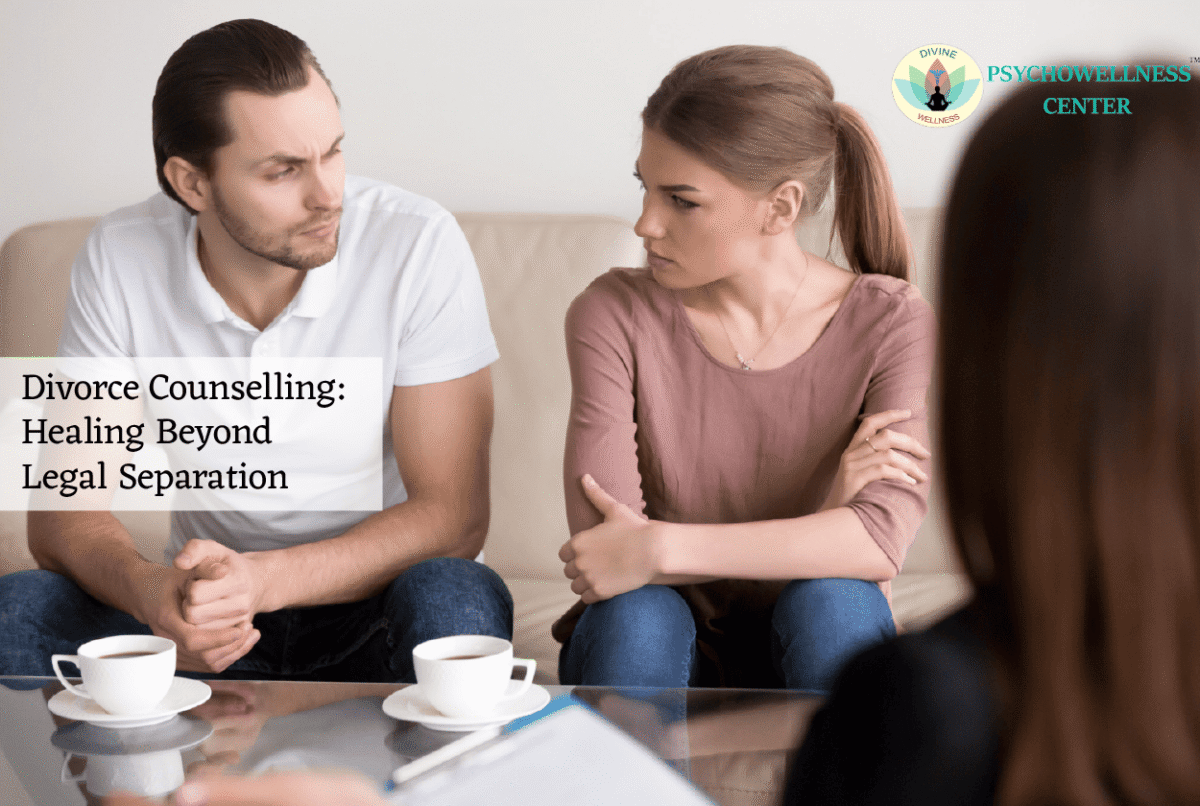
Divorce is often perceived as a legal endpoint to a marriage, marked by paperwork, court proceedings, and formal separation. However, for the individuals involved, divorce is far more than a legal event; it is an emotional, psychological, and identity-altering experience. The end of a marital relationship can bring grief, anger, guilt, fear, and a profound sense of loss. Marriage counselling focuses on addressing these emotional layers, helping individuals heal beyond legal separation and rebuild a sense of stability, self-worth, and direction.
Healing from divorce is not about erasing the past; it is about learning how to carry it without pain dominating the future.
The Emotional Impact of Divorce
Divorce can trigger emotional responses similar to bereavement. Individuals may grieve not only the loss of a partner but also shared dreams, routines, social roles, and a sense of family structure. Common emotional experiences include sadness, loneliness, resentment, anxiety, shame, and emotional numbness. These reactions may fluctuate, making the healing process unpredictable and exhausting.
Without adequate emotional support, unresolved feelings can evolve into chronic stress, depression, anxiety disorders, or difficulties forming future relationships. Couples counselling provides a structured space to process these emotions safely and constructively.
Why Divorce Counselling Is Essential
Legal separation addresses marital status, finances, and custody arrangements, but it does not address emotional wounds. Relationship counselling fills this gap by focusing on psychological recovery and emotional adjustment. Therapy helps individuals understand their emotional reactions, challenge self-blame, and develop healthier coping strategies.
Counselling also assists individuals in managing co-parenting dynamics, setting boundaries with an ex-partner, and navigating changes in identity, from being a spouse to redefining oneself independently. The goal is not reconciliation but emotional resolution and personal growth.
Common Challenges Addressed in Divorce Counselling
Divorce counselling helps individuals work through several interconnected challenges, including:
- Persistent feelings of anger, betrayal, or rejection
- Anxiety about the future and financial independence
- Difficulty trusting others or forming new relationships
- Low self-esteem and identity confusion
- Emotional impact on children and parenting stress
Therapeutic support helps individuals process these challenges without suppressing emotions or becoming overwhelmed by them.
Therapeutic Approaches for Divorce Recovery
Different therapeutic approaches are used in divorce counselling depending on individual needs. Cognitive Behavioral Therapy (CBT) helps individuals identify and reframe negative thought patterns, such as self-blame or catastrophic thinking. Emotion-Focused Therapy (EFT) supports emotional processing and acceptance, allowing individuals to express grief and anger in healthy ways. Solution-Focused Therapy assists individuals in setting future-oriented goals and rebuilding confidence.
Stress management techniques, mindfulness practices, and emotional regulation strategies are often integrated to help individuals regain emotional balance and resilience during this transitional phase.
Psychowellness Center: Supporting Emotional Healing After Divorce
The Psychowellness Center has “best relationship counselors in Dwarka” and “best marriage counselors in Delhi” support individuals navigating divorce-related distress. The center focuses on healing beyond the legal process by addressing emotional trauma, identity reconstruction, and long-term well-being. With professional psychologists providing personalized care, Psychowellness Center supports clients in regaining self-confidence, establishing emotional boundaries, and developing healthier relationship patterns. The center operates in Janakpuri and Dwarka Sector-17, Delhi, and appointments can be scheduled at 011-47039812 / 7827208707, ensuring accessible and evidence-based mental health care.
In addition to in-person counselling, TalktoAngel provides accessible online psychological counseling in Delhi support for individuals dealing with divorce-related stress. Online therapy sessions allow individuals to seek emotional guidance in a confidential and flexible format, especially helpful for those balancing work, parenting, or relocation challenges after divorce.
Divorce Counselling and Parenting Support
For parents, divorce counselling plays a crucial role in minimizing emotional harm to children. Unresolved parental conflict can affect a child’s emotional development, sense of security, and academic performance. Counselling helps parents manage their emotions, communicate effectively with their children, and establish cooperative co-parenting arrangements.
Therapists guide parents in separating marital conflict from parenting responsibilities, helping children adjust without feeling responsible or emotionally burdened.
Rebuilding Identity and Self-Worth
One of the most overlooked aspects of divorce recovery is identity loss. Many individuals define themselves through their marital role, and divorce can create a void in self-perception. Counselling supports individuals in rediscovering personal strengths, values, and goals outside the marriage.
This phase of therapy often focuses on self-compassion, autonomy, and personal growth, allowing individuals to move forward with clarity and renewed confidence rather than lingering emotional wounds.
Preparing for Healthy Future Relationships
Divorce counselling also helps individuals reflect on relationship patterns, communication styles, and emotional needs. Rather than repeating past dynamics, therapy supports conscious relationship choices and healthier emotional connections in the future.
Understanding boundaries, attachment styles, and emotional triggers empowers individuals to approach future relationships with awareness rather than fear.
Conclusion
Divorce counselling recognizes that healing does not end with legal separation; it begins there. Emotional recovery requires time, understanding, and professional support to process loss, rebuild identity, and regain emotional balance. Through structured therapeutic interventions, individuals can move beyond pain toward growth, resilience, and self-acceptance. Divorce may close one chapter, but with the right psychological support, it can also mark the beginning of emotional renewal and personal strength.
Contribution: Dr. R.K. Suri, Clinical Psychologist, and Ms. Sakshi Dhankhar, Counselling Psychologist
References
American Psychological Association. (2020). Divorce and separation. https://www.apa.org
https://www.psychowellnesscenter.com/Blog/when-staying-married-causes-more-harm-than-divorce/
https://www.psychowellnesscenter.com/Blog/when-staying-married-causes-more-harm-than-divorce/
https://www.psychowellnesscenter.com/Blog/marriage-counselling-for-couples-on-the-brink-of-divorce/
https://www.psychowellnesscenter.com/Blog/understanding-the-importance-of-pre-divorce-counseling/
Beck, J. S. (2011). Cognitive behavior therapy: Basics and beyond (2nd ed.). Guilford Press.
Emery, R. E. (2012). Renegotiating family relationships: Divorce, child custody, and mediation. Guilford Press.
Lebow, J. (2019). Treating the difficult divorce: A practical guide for psychotherapists. American Psychological Association.