
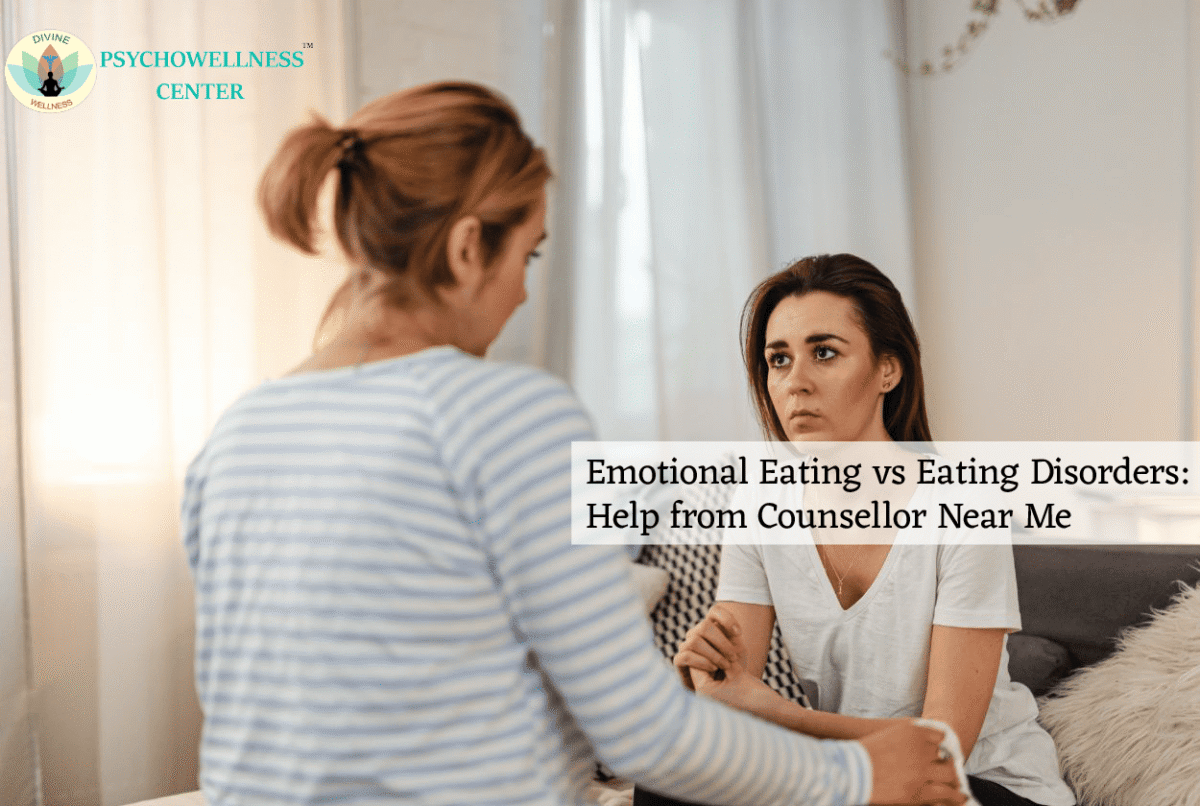
Our relationship with food is one of the most complex dynamics we navigate throughout our lives. For many, food is more than just sustenance; it is a source of comfort, a celebratory tool, and occasionally, a shield against the world. However, when the act of eating becomes primarily driven by internal distress rather than biological hunger, it creates a psychological “grey area.” Many people find themselves wondering whether their habit of reaching for chocolate after a difficult day at work is a harmless coping mechanism or a sign of a deeper clinical issue. Understanding where you fall on this spectrum is the first step toward reclaiming your health and emotional autonomy.
Understanding the Emotional Eating Spectrum
In the modern context, this behaviour is frequently triggered by workplace stress. After a gruelling day of meetings and deadlines, the brain’s executive function is depleted, making it much harder to resist the immediate dopamine hit that high-calorie comfort foods provide. For some, this “mindless eating” is a way to decompress, but when it becomes the only way to manage stress, it creates a cycle of dependence on food for emotional stability.
When Habits Transition into Disorders
A “habit” becomes a medical concern when it starts to dictate your life. Clinical conditions like Anorexia, Bulimia, or Binge Eating Disorder (BED) represent a high level of pathological rigidity, where the eating behaviour becomes a fixed, self-destructive response to internal distress. In contrast to sporadic emotional eating, a condition entails a substantial “loss of control.” For instance, people with BED may eat a lot of food quickly, frequently to the point of physical discomfort, and then have severe depression and shame symptoms.
The psychological drivers for these disorders are often deep-seated. They may stem from a history of bullying regarding one’s weight or appearance, or they may be a way to exert control in a life that feels chaotic. In some cases, disordered eating is a response to emotional abuse, where the individual uses their body as a “battlefield” for the pain they cannot express verbally. Over time, these behaviours severely impair physical health, leading to metabolic disruptions, heart issues, and chronic fatigue.
The Role of Body Image and Social Pressures
At the heart of many eating-related struggles is a distorted body image. In an era of digital perfection, individuals are constantly bombarded with “idealised” versions of others, leading to a devastating drop in self-esteem. When a person feels they do not “measure up” to societal standards, they may use food as a way to punish themselves or to find solace from the perceived rejection.
This struggle is often exacerbated by social anxiety. The fear of being judged in social or professional settings can lead to social isolation, where the individual chooses to eat alone in secret to avoid the “gaze” of others. This isolation creates a feedback loop: the more lonely a person feels, the more they turn to food for comfort, which in turn increases their feelings of shame and leads to further withdrawal.
Environmental Catalysts: Life Transitions and Mental Strain
Major shifts in our personal and professional lives frequently serve as the primary engine for dietary disturbances. During seasons of grief and loss, for example, the kitchen often becomes a substitute for the companionship that has been severed. The profound “felt-absence” of a loved one can lead an individual to try to fill that emotional void with physical nourishment literally.
Similarly, the biological impact of burnout should not be underestimated. When the body is trapped in a state of chronic exhaustion, it maintains an elevated cortisol profile, which chemically prioritizes cravings for high-glucose and high-fat foods. Furthermore, when an individual is navigating severe career issues, such as a toxic culture or the threat of termination, food may feel like the only domain where they still possess a sense of “management.” This often results in a precarious psychological reliance on either bingeing to find comfort or restricting to regain a sense of mastery.
The Clinical Roadmap: Reconstructing the Emotional Landscape
Moving toward recovery requires more than just dietary adjustments; it demands a fundamental shift in how one interacts with one’s internal world. The core objective of a clinical intervention is to pivot from “impulsive consumption” to a state of conscious, mindful nourishment.
- Enhancing Emotional Granularity: Healing begins when you can distinguish between “biological hunger” and “emotional hunger.” This involves a process of pausing to ask if the current craving is a need for calories or a need for appreciation, rest, or safety. By identifying the specific feeling, you strip it of its ability to drive an automatic eating response.
- Dismantling “Polarised Thinking”: Many people struggle with a cognitive distortion known as “all-or-nothing” thinking. For instance, believing that eating one unplanned item has “contaminated” the entire day, leading to a full-scale binge. Professional support helps replace these rigid rules with a more flexible and self-compassionate internal narrative.
Conclusion
True wellness is achieved when food returns to its natural role as fuel and a source of moderate enjoyment, rather than a primary emotional regulator. The solution lies in building “resilience” so that you no longer need to use your body or your diet as a coping mechanism for life’s stressors. By addressing the psychological roots of your hunger, you move from a life of secrecy and shame toward a future defined by transparency and self-respect.
As you refine your emotion control and strengthen your boundaries, the urge to “numb out” through food naturally diminishes. Recovery is not a linear path, but every step taken toward understanding your emotions is a step toward a healthier, more vibrant version of yourself.
If you feel your relationship with food has become a source of distress, reaching out for professional help is a courageous and necessary step. At Psychowellness Center ( 011-47039812 or 7827208707), we house the psychologists in Delhi NCR who specialise in treating the psychological roots of disordered eating. Whether you are dealing with chronic emotional eating or need support for a clinical eating disorder, our team provides a safe, non-judgmental space for your recovery. If you are searching for a counsellor near me, our specialists are here to guide you back to balance. For those who prefer the accessibility of remote care, TalktoAngel provides specialised online counselling for eating-related concerns. Connect with the expert therapists at TalktoAngel to receive professional support and guidance from the privacy of your own home.
Learn more about this:
https://www.youtube.com/watch?v=hQ12DH6HtcE
https://www.youtube.com/watch?v=RqC_Sn1vQAk
https://www.youtube.com/watch?v=CrE3ej_VlDc
https://youtube.com/shorts/6Iy9kBWJN7I?si=b3NiASeUULSMMJhf
Contribution: Dr. R.K. Suri, Clinical Psychologist, and Mr. Umesh, Counselling Psychologist
References
- American Psychiatric Association. (2022). Diagnostic and statistical manual of mental disorders (5th ed., text rev.).
- Fairburn, C. G. (2021). Cognitive behavior therapy and eating disorders. Guilford Press.
- Macht, M. (2018). How emotions affect eating: A five-way model. Appetite, 50(1), 1-11.
- Schaefer, L. M., et al. (2021). The role of social media in body image and eating disorders. Current Opinion in Psychology, 37, 1-5.