
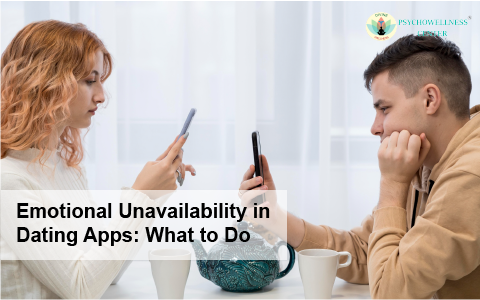
Dating apps have made it easier than ever to meet new people, but they also come with unique emotional challenges. One of the most common issues users face is emotional unavailability—encountering partners who avoid vulnerability, struggle to communicate openly, or show inconsistent interest. These behaviours can leave you feeling confused, anxious, and emotionally drained over time. Signs of emotional unavailability include mixed signals, reluctance to commit, avoiding deeper conversations, and disappearing or reappearing without explanation. Recognising these patterns early is essential to protect your well-being. Setting clear boundaries, expressing your expectations honestly, and paying attention to actions rather than words can help you navigate these situations more effectively. It’s also important not to overinvest too quickly and to prioritise your own emotional needs. By staying self-aware and grounded, you can avoid unhealthy dynamics and focus on building more stable, genuine, and fulfilling connections.
What is Emotional Unavailability?
Emotional unavailability refers to a person’s inability or unwillingness to engage deeply in a relationship. On dating apps, it may appear as sporadic messages, reluctance to meet in person, or avoidance of conversations about feelings or commitment. While some users are cautious, repeated patterns of avoidance often indicate that someone is not ready for a meaningful connection. Experiencing emotional unavailability can affect self-esteem, leaving individuals questioning their worth or attractiveness. Recognising these signs early helps prevent wasted time and emotional distress.
Signs You’re Dealing with an Emotionally Unavailable Partner
Some common indicators of emotional unavailability include:
- Inconsistent messaging or cancellations
- Avoidance of discussions about plans or feelings
- Focus on superficial topics rather than deeper connections
- Difficulty demonstrating empathy or understanding
- Fear of emotion control, leading to abrupt or defensive responses
Understanding these patterns allows you to make informed decisions about investing your time and energy.
Why Emotional Unavailability Occurs
Several things can cause emotional inaccessibility, such as:
- Fear of commitment after a breakup
- Social anxiety makes emotional intimacy difficult
- Low self-esteem or difficulties in expressing emotions, sometimes bordering on a communication disorder
While it’s important to be empathetic, it’s equally vital to maintain boundaries and prioritise your own mental health.
Strategies for Navigating Emotional Unavailability
You cannot change another person, but there are ways to protect your emotional well-being and approach dating mindfully:
- Set Clear Boundaries:- Establish your limits early and communicate them respectfully. This helps prevent frustration and protects your mental health.
- Recognise Patterns:- Pay attention to inconsistent behaviours and avoid rationalising repeated avoidance. This helps reduce loneliness and preserves emotional energy.
- Focus on Self-Improvement:- Invest in your hobbies, goals, and personal growth. Enhancing self-improvement and confidence ensures you enter relationships from a place of strength rather than neediness.
- Practice Mindful Communication:- Use active listening and express your feelings clearly. Developing emotional control allows you to manage frustration when partners are unavailable.
- Seek Professional Guidance:- A relationship counsellor or psychologist in Delhi can help identify patterns of emotional unavailability, manage stress, and improve self-esteem. Professional support also benefits individuals struggling with social anxiety or difficulty trusting others.
- Know When to Move On:- Repeated emotional unavailability is a clear sign to disengage. Protecting your mental health by prioritising relationships with emotionally present partners ensures long-term fulfilment. Avoid wasting energy on connections that hinder your growth or dampen motivation.
Coping with Emotional Disappointment
Even when a relationship does not progress, coping strategies can reduce the emotional toll:
- Journaling to process feelings
- Practising mindfulness to stay present and reduce rumination
- Engaging in supportive friendships or social communities
- Reflecting on past patterns to prevent repeating them
These approaches strengthen resilience and help maintain self-esteem while navigating the challenges of dating apps.
Building Meaningful Connections
Dating apps can still lead to meaningful relationships if approached with awareness:
- Prioritise profiles that clearly communicate intentions and values
- Engage in open conversations to assess emotional availability
- Look for reciprocity in relationship efforts and emotional investment
- Maintain healthy boundaries to avoid stress and emotional exhaustion
By approaching online dating mindfully and protecting your emotional health, you increase the likelihood of forming meaningful, fulfilling connections.
Conclusion
Encountering emotional unavailability in dating apps can be discouraging, but recognising the signs, setting boundaries, and prioritising your emotional health are key to navigating modern dating. Seeking guidance from a relationship counsellor or the best Relationship counsellor near me can help manage social anxiety, improve emotional control, and maintain healthy self-esteem while engaging in online dating.
Psychowellness Center also offers guidance on relationship counselling, providing practical strategies to stay present, manage emotions, and navigate the challenges of emotionally unavailable partners. Incorporating these counselling techniques into your dating approach can help maintain motivation, reduce loneliness, and build stronger, healthier, and more balanced relationships.
Psychowellness Center (011-47039812 or 7827208707) offers access to expert relationship counselling near me, helping individuals improve self-esteem, manage social anxiety, and develop better emotional control. With professional support, users can overcome challenges in online dating, maintain motivation, reduce loneliness, and cultivate healthy, emotionally fulfilling relationships.
Contribution: Dr. R.K. Suri, Clinical Psychologist, and Ms. Mansi, Counselling Psychologist
References
- Levy, K. N., Ellison, W. D., & Reynoso, J. S. (2011). Adult attachment and relationship functioning: A review. Personality and Mental Health, 5(1), 17–35. https://doi.org/10.1002/pmh.116
- Campbell, W. K., & Tesser, A. (2008). Narcissism, self-esteem, and relationships. In J. Forgas, R. F. Baumeister, & D. Tice (Eds.), Psychology of interpersonal behavior (pp. 107–128). Psychology Press.
- Fletcher, G. J. O., Simpson, J. A., & Thomas, G. (2000). The measurement of perceived relationship quality components: A confirmatory factor analytic approach. Personality and Social Psychology Bulletin, 26(3), 340–354. https://doi.org/10.1177/0146167200265007