
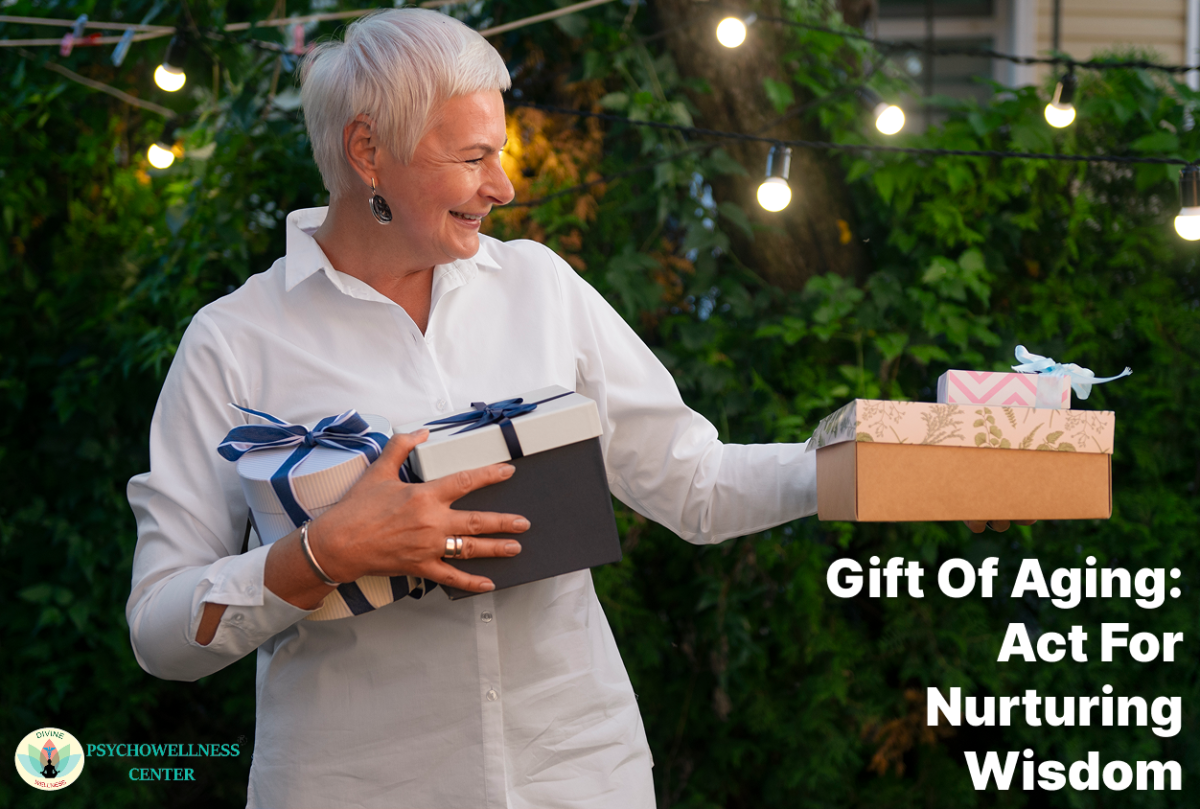
Aging is often viewed through a lens of decline, slowing bodies, fading energy, and shrinking social circles. Yet this narrative captures only a fraction of the truth. Aging is not merely a biological process; it is an opportunity to deepen wisdom, cultivate emotional maturity, and rediscover purpose. With the right mindset and supportive social structures, growing older becomes a profound gift rather than something to fear. Understanding the power of age and acting intentionally to nurture wisdom can transform the later years into a time of growth, resilience, and fulfillment.
Aging as a Natural Gift
With years come experience, knowledge, and perspective. Each challenge faced, each relationship built, and each achievement or failure contributes to a vast inner library of insights. Unlike the speed-driven, productivity-centered ethos of youth, aging allows individuals to shift their focus inward to meaning, legacy, and emotional richness.
Older adults often demonstrate qualities that younger generations aspire to develop: patience, empathy, reflective thinking, and emotional resilience. These strengths are not accidental; they are cultivated through decades of lived experience. When embraced with acceptance and purpose, aging becomes a gift that fosters a deeper understanding of oneself and the world.
The Role of Wisdom in Aging
Wisdom is more than intelligence; it is the capacity to use experience, empathy, and sound judgment to make meaningful decisions. Psychological research highlights wisdom as a multidimensional construct involving:
- Reflective thinking
- Compassion and empathy
- Self-awareness
- Ability to manage uncertainty
- A balanced perspective on life
Older adults often excel in seeing the bigger picture and viewing life challenges with calm, acceptance, and clarity. This wisdom enables them to act thoughtfully, nurture relationships, and guide younger generations.
Challenges That Come with Aging
Despite its beauty, aging is not without obstacles. Many older adults face:
- Physical health issues
- Retirement-related identity shifts
- Emotional challenges like loneliness or grief
- Reduced social connections
- Societal ageism
These experiences can lead to stress, depression, or feelings of worthlessness. However, when supported emotionally and socially, older adults can turn these challenges into opportunities for self-growth and wisdom building.
Act for Nurturing Wisdom in Aging
Nurturing wisdom during the aging process is intentional. It requires conscious effort, supportive environments, and meaningful engagement. Below are actions that help older adults embrace the gift of aging and cultivate wisdom.
1. Engage in Lifelong Learning
Wisdom is not stagnant, it grows with continuous learning. Older adults who remain intellectually active show better cognitive health and emotional well-being.
Ways to learn at any age include:
- Taking online courses
- Reading books across genres
- Attending workshops or community classes
- Learning new skills such as art, music, or technology
Learning keeps the mind agile and fosters curiosity, satisfaction, and a sense of accomplishment.
2. Build Strong Social Connections
Human beings thrive in relationships, and older adults who maintain strong social networks experience better mental health, cognitive performance, and life satisfaction. Friends, family, and community groups offer emotional support and opportunities for meaningful dialogue.
Participating in senior clubs, community centers, spiritual groups, or volunteering activities helps older adults stay connected and valued.
3. Practice Mindfulness and Reflection
With age comes the opportunity to slow down and reflect. Mindfulness practices such as meditation, deep breathing, and journaling help individuals cultivate gratitude, emotional balance, and inner peace.
Reflective practices help older adults:
- Process past experiences
- Accept present limitations
- Reduce stress
- Deepen self-awareness
Reflection allows wisdom to arise naturally from one’s life story.
4. Share Knowledge with Younger Generations
Aging becomes meaningful when older adults act as mentors, storytellers, and guides. Intergenerational interactions enrich both sides youth gain valuable insights, and elders gain purpose and recognition.
Ways to share wisdom include:
- Mentoring at workplaces or community centers
- Spending time with grandchildren
- Teaching skills or sharing stories
- Offering guidance and emotional support
These interactions strengthen identity and legacy, reducing feelings of isolation.
5. Stay Physically Active
Physical activity plays a crucial role in maintaining mental clarity and emotional well-being. Older adults who stay active through walking, yoga, tai chi, or simple stretching benefit from:
A healthy body supports a healthy mind, encouraging emotional stability and wisdom.
6. Seek Emotional Support When Needed
Aging can bring grief, health anxieties, or loneliness. Seeking counseling or support from mental health professionals is not a sign of weakness rather, it is an act of strength and self-care.
Geriatric counseling helps older adults:
- Process emotional pain
- Build coping strategies
- Overcome isolation
- Strengthen self-esteem
- Adapt to life transitions
Professional support empowers older adults to navigate aging with clarity and resilience.
The Power of Acceptance and Meaning
Perhaps the greatest gift of aging is the ability to accept life’s imperfections. Older adults often develop greater emotional flexibility they no longer react impulsively but respond with understanding. They begin to prioritize what truly matters: relationships, peace of mind, and meaningful experiences.
Finding meaning whether through spirituality, hobbies, helping others, or embracing creativity helps older adults flourish emotionally and intellectually. This sense of purpose becomes the foundation of lasting wisdom.
Conclusion
Aging is not a decline but a transformation. When embraced with intention, awareness, and support, it becomes one of life’s greatest gifts an opportunity to deepen wisdom, nurture emotional richness, and contribute meaningfully to future generations.
By engaging in learning, building connections, reflecting, staying active, and seeking support, older adults can continue to grow, evolve, and thrive.
Celebrating age means celebrating wisdom, resilience, and the beauty of the human journey. The gift of aging is precious, and the actions we take today can help us experience its full richness.
If emotional challenges such as loneliness, grief, stress, or identity shifts make the aging journey feel overwhelming, professional mental health support can offer meaningful guidance. In-person counselling at the Psychowellness Center in Dwarka Sector-17 and Janakpuri (011-47039812 / 7827208707) provides compassionate care through therapies such as geriatric counselling, mindfulness-based therapy, cognitive behavioural therapy (CBT), and grief counselling to support emotional well-being in later life. For those who prefer flexibility and comfort at home, TalktoAngel offers online counselling with trained mental health professionals, making support accessible and convenient. With the right guidance and care, aging can truly become a phase of wisdom, balance, and renewed purpose.
Contribution: Dr. R.K. Suri, Clinical Psychologist, and Ms. Tanu Sangwan, Counselling Psychologist
References
Baltes, P. B., & Smith, J. (2008). The fascination of wisdom: Its nature, ontogeny, and function. Perspectives on Psychological Science, 3(1), 56–64.
Carstensen, L. L. (2019). A long bright future: Happiness, health, and financial security in an age of increased longevity. PublicAffairs.
Erikson, E. H. (1997). The life cycle completed. W. W. Norton & Company.
Kunzmann, U., Little, T. D., & Smith, J. (2000). Is age-related stability of wisdom-related performance primarily a matter of personality? Personality and Social Psychology Bulletin, 26(9), 1067–1080.
Wong, P. T. P. (2020). Existential positive psychology and the new science of flourishing. In P. T. P. Wong (Ed.), The human quest for meaning (2nd ed., pp. 117–146). Routledge.
https://www.psychowellnesscenter.com/service-geriatric-counselling/
https://www.psychowellnesscenter.com/Blog/exploring-the-benefits-of-geriatric-counseling/
https://www.talktoangel.com/blog/understanding-the-traits-of-machiavellism
https://www.psychowellnesscenter.com/Blog/caring-for-ageing-parents-points-to-be-noted/
https://www.psychowellnesscenter.com/Blog/dementia-vs-normal-ageing-whats-the-difference/
https://www.psychowellnesscenter.com/Blog/the-hidden-loneliness-of-senior-citizens/
https://www.psychowellnesscenter.com/Blog/the-impact-of-geriatric-psychotherapy-on-well-being/
https://www.psychowellnesscenter.com/Blog/relationship-issues-among-elderly-couples/
https://www.psychowellnesscenter.com/Blog/turning-midlife-crisis-into-golden-age/