
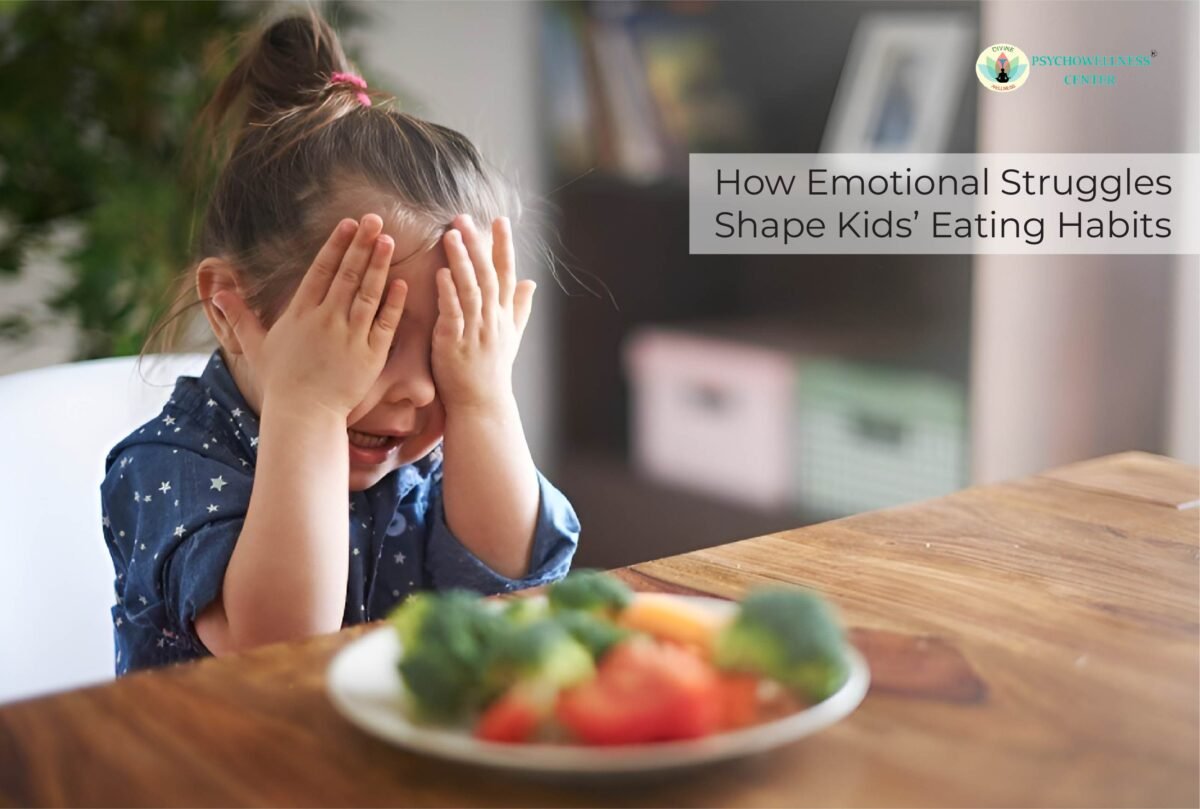
Children’s relationships with food are shaped by far more than hunger and taste. Emotional experiences, home environments, physical wellbeing, and social pressures all play powerful roles in how young people eat, avoid food, or use it for comfort. When inner challenges are left unaddressed, eating habits can quietly shift in ways that affect growth, energy, and long-term health. Understanding these influences helps caregivers and professionals respond with empathy rather than punishment.
Emotional overload and appetite changes
When young people face overwhelming emotional pressure, their bodies often react before their words do. Stress can suppress appetite in some kids while pushing others toward constant snacking. Similarly, anxiety may cause nausea, stomachaches, or rigid food preferences that seem confusing to adults. These responses are not signs of misbehavior; they are protective reactions from a nervous system trying to cope.
Emotional burdens such as trauma can deeply disrupt eating patterns. A child who has experienced frightening or unstable situations may become hypervigilant, leading to skipped meals or hoarding food for a sense of safety. In other cases, emotional heaviness linked to depression may drain interest in meals altogether, reducing energy and focus during the day.
Unexpressed anger can also show up at the table. Some children refuse meals as a way to exert control, while others overeat to soothe frustration. Over time, these coping strategies can harden into habits that are difficult to change without support.
When coping mechanisms turn risky
Food can become a substitute comfort when other soothing strategies are unavailable. In some families, this pattern can edge toward addiction, where eating is driven less by hunger and more by emotional relief. While this doesn’t mirror substance dependence exactly, the cycle of craving and regret can still be distressing for kids and caregivers alike.
There are also important physical considerations. Children managing autoimmune problems may already experience fatigue or digestive discomfort, which can reduce appetite or create aversions. Likewise, ongoing discomfort from chronic pain can make regular meals feel like an afterthought.
Young people in the child and adolescent stage are especially vulnerable because their brains and bodies are still developing. Emotional challenges during this window can interfere with routines, learning, and social confidence. For some, this may coincide with a developmental delay, making it harder to communicate hunger cues or emotional needs clearly.
Disordered eating and emotional health
When emotional and environmental pressures persist, some children may develop patterns that resemble an eating disorder. These patterns are rarely about food alone; they are often attempts to regain control, manage fear, or cope with overwhelming expectations. Early signs can include extreme pickiness, ritualized eating, or intense fear around certain foods.
Family dynamics matter deeply. Ongoing conflict or instability within a family problem can make mealtimes tense, reducing the sense of safety children need to eat comfortably. In such settings, food may become a battleground rather than a source of nourishment.
Emotional exhaustion can also reduce engagement with meals. Low motivation may lead kids to skip breakfast, rely on convenience foods, or disengage from family dinners, which further limits opportunities for connection and support.
Anxiety-related conditions and food
Certain emotional conditions have distinct impacts on eating. Children with ocd may develop rigid food rules or fear contamination, narrowing their diets significantly. Those experiencing panic disorder may associate eating with physical sensations like a racing heart, leading them to avoid meals altogether.
Social pressures also play a role. Fear of judgment or scrutiny, common in social anxiety, can make eating in public or at school feel unbearable. This often results in skipped lunches or secretive eating later in the day.
Concerns about appearance can intensify these struggles. Negative perceptions of body image may cause kids to restrict food or obsess over calories, even when their bodies need fuel for growth.
Physical consequences beyond the plate
Eating habits don’t exist in isolation; they directly influence physical health. Irregular or inadequate nutrition can weaken immunity, slow growth, and affect concentration. Over time, emotional strain combined with poor eating can contribute to burnout, leaving kids feeling drained and disengaged from daily activities.
Physiological systems are interconnected. Poor nutrition can disrupt sleep, which then worsens mood regulation and appetite cues. In some cases, prolonged emotional and dietary strain may even contribute to early signs of hypertension, highlighting how emotional wellbeing and bodily systems are deeply linked.
Children who rely heavily on food for comfort may develop patterns of dependence, where emotional regulation feels impossible without eating. This can limit the development of healthier coping skills if not gently addressed.
The role of caregivers and guidance
Supportive parenting can make a significant difference. Creating predictable routines, modeling balanced eating, and keeping mealtimes calm help children feel safe. Listening without judgment encourages kids to express what they’re feeling rather than acting it out through food.
Teaching simple awareness practices can also help. Introducing mindfulness around meals such as noticing flavors, textures, and hunger cues can rebuild a healthier connection to eating without pressure or shame.
When challenges persist, professional help can be transformative. Accessing online therapy has made support more flexible for families, especially those with limited local resources. Speaking with a trained therapist allows children to explore emotions in age-appropriate ways, while caregivers gain tools to respond effectively.
Options like counselling and structured therapy provide safe spaces to address emotional roots rather than just symptoms. Early intervention not only improves eating habits but also strengthens resilience, communication, and self-esteem.
Conclusion
Kids don’t choose emotional struggles, and they don’t choose how those struggles affect their eating. What they need most is understanding, patience, and guidance. By recognizing the emotional signals behind food-related behaviors, adults can shift from control to connection.
Healthy eating habits grow best in environments where children feel heard, supported, and safe. Addressing emotional wellbeing alongside nutrition lays the foundation for lifelong resilience helping young people develop a balanced relationship with food, their bodies, and their emotions. If your child’s eating habits seem to change alongside emotional stress, mood swings, or daily pressures, it’s important to remember that you don’t have to navigate this concern on your own. Emotional struggles can deeply influence how children relate to food, and timely professional support can help address these patterns in a healthy, compassionate way. TalktoAngel is a trusted platform for online therapy and child mental health support, connecting families with experienced professionals who understand the emotional factors behind children’s eating behaviors. If you’re searching for the best psychologist near me to help your child develop a balanced relationship with food and emotions, TalktoAngel offers personalized, evidence-based care from some of the best psychologists in India. For empathetic and confidential support, you may also contact the Psychowellness Center at (+91 78272 08707) or (+91 11 4707 9079). Take the first step today to support your child’s emotional well-being and help them build healthier habits for a happier, more confident future.
Contribution: Dr. R.K. Suri, Clinical Psychologist, and Ms. Drishti Rajore, Counselling Psychologist
References
American Academy of Child & Adolescent Psychiatry. (2020). Emotional eating in children and adolescents.
https://www.aacap.org
American Psychological Association. (2022). Stress effects on the body and behavior.
https://www.apa.org/topics/stress/body
Centers for Disease Control and Prevention. (2023). Children’s mental health: Anxiety, depression, and behavior disorders.
https://www.cdc.gov/childrensmentalhealth
Children’s Hospital of Philadelphia. (2021). How anxiety affects appetite in children.
https://www.chop.edu
https://www.psychowellnesscenter.com/Blog/how-does-stress-affects-our-eating-habits/
https://www.psychowellnesscenter.com/Blog/impact-of-junk-food-on-cognitive-growth/
https://www.psychowellnesscenter.com/Blog/breaking-free-from-emotional-eating/
https://www.psychowellnesscenter.com/Blog/effects-of-diet-on-your-thinking/
https://www.psychowellnesscenter.com/Blog/how-body-image-issues-begin-in-elementary-school/
https://www.talktoangel.com/area-of-expertise/eating-disorder
https://www.psychowellnesscenter.com/Blog/parents-heavy-drinking-habits-and-its-impact-on-children/
https://www.psychowellnesscenter.com/Blog/best-child-psychologists-in-dwarka-sector-17-dwarka-delhi/