
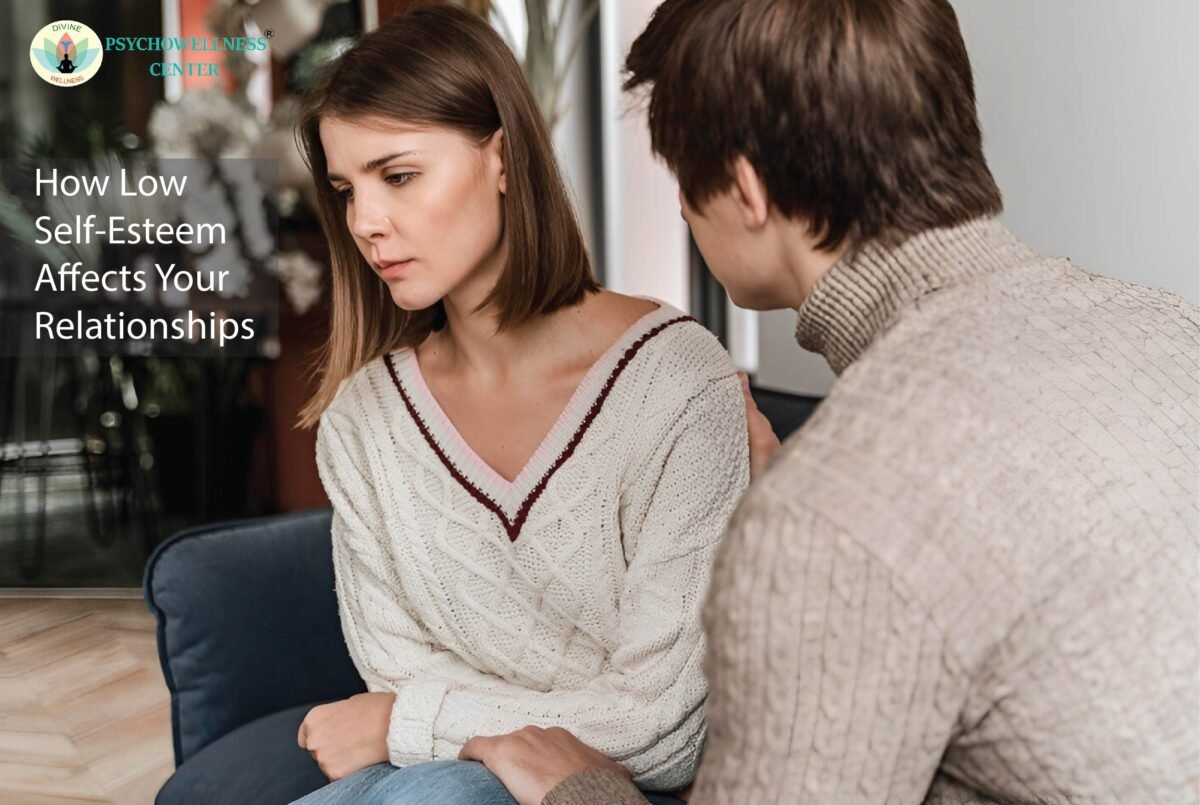
Low self-esteem is far more than a personal struggle—it quietly shapes how you love, connect, communicate, and handle conflict. When someone does not feel worthy, secure, or confident in themselves, this emotional foundation affects every relationship in their life, from romantic partnerships to friendships, family bonds, and professional connections. Understanding how low self-esteem operates beneath the surface can help you improve your well-being and begin healing the patterns that hold you back.
The Hidden Symptoms Behind Low Self-Esteem
Many people think low self-esteem simply means disliking oneself, but its effects are much stronger. Individuals may experience internal challenges such as stress, anxiety, depression, and unresolved trauma—all of which can directly impact how they behave with others. These emotional states often lead to difficulties in communication, vulnerability, and trust.
When a person constantly doubts their own worth, they may also struggle with stress management, as even small relational misunderstandings or disagreements can feel overwhelming. Low self-esteem tends to drain energy and confidence, leading to low motivation in relationships and a reduced willingness to initiate conversations, solve problems, or express personal needs. Over time, these emotional patterns affect one’s resilience, making it harder to bounce back after arguments, breakups, or moments of disappointment. For many, the default response becomes avoidance, withdrawal, or shutting down emotionally.
How Low Self-Esteem Influences Relationship Behaviours
Relationships thrive on communication, trust, and emotional openness. Unfortunately, low self-esteem directly challenges all three. Here are some common patterns people may experience:
- Fear of abandonment or rejection:- People with low self-esteem constantly fear they are “not enough” for others. This can manifest as clinginess, people-pleasing, or tolerating unhealthy behaviours because they believe they don’t deserve better. Some may experience social isolation, withdrawing from relationships out of fear that they will eventually get hurt.
- Difficulty setting boundaries:- Healthy boundaries require confidence and self-respect. When someone struggles with self-esteem, they may say yes to things that make them uncomfortable or avoid standing up for themselves. This often leads to resentment, exhaustion, or unhealthy relationship dynamics.
- Overthinking and comparison:- Low self-worth intensifies self-criticism. Individuals may compare themselves to others, especially through the lens of fear of missing out, which has become more common in the age of social media. This constant comparison damages personal satisfaction and creates insecurity in romantic and social relationships.
- Accepting unhealthy or harmful behaviour:- Some people with low self-esteem may tolerate mistreatment, including emotional abuse, because they believe better treatment is unattainable. This acceptance reinforces negative beliefs, making it even harder to leave toxic situations.
- Communication challenges:- Low self-esteem can make someone overthink simple interactions or assume negative intent from others. They may withdraw emotionally, shut down during conflict, or avoid sharing feelings. This emotional distancing weakens intimacy and connection.
Impact on Physical and Mental Well-Being
The effects of low self-esteem extend beyond emotional struggles. Many people develop physical symptoms such as tension, fatigue, and difficulty sleeping. Some may experience panic disorder, phobias, or persistent physical symptoms related to prolonged stress and chronic pain. These challenges not only affect personal relationships but also influence daily functioning.
Low self-esteem also affects how people perceive themselves physically. Concerns about body image can create insecurity in romantic relationships, leading to avoidance of intimacy, fear of judgment, and difficulty feeling comfortable with a partner.
How Low Self-Esteem Affects Professional Relationships
The workplace is another environment where low self-esteem manifests strongly. Individuals may hesitate to voice ideas, advocate for themselves, or pursue opportunities because they fear criticism or failure. This often leads to career issues, missed promotions, or strained coworker relationships. People struggling with self-esteem may also find it difficult to manage conflict or speak up when facing unfair treatment. Over time, this affects job satisfaction, performance, and overall professional growth.
Healing Relationship Patterns
While low self-esteem can deeply influence relationships, it is absolutely possible to break out of these patterns. Self-awareness is the first step—recognising how your thoughts, emotions, and behaviours influence your connections. From there, gradual changes can help rebuild confidence, trust, and emotional balance.
Here are some strategies that support healing:
- Practice self-compassion:- Self-kindness is essential for rebuilding self-worth. Instead of harsh inner criticism, practice speaking to yourself with understanding and patience.
- Build emotional awareness:- Understanding your triggers and emotional responses helps you communicate more effectively with others. When you can identify the root of your reactions, you reduce misunderstandings and improve connection.
- Strengthen boundaries:- Learning to say no and protect your energy is a vital part of healthy relationships. Boundaries improve respect, trust, and emotional safety.
- Surround yourself with supportive people:– Healthy environments reinforce positive beliefs. Seek relationships that are balanced, respectful, and uplifting.
- Engage in activities that build confidence:– Small achievements accumulate into strong self-trust. This might include hobbies, creative pursuits, learning new skills, or physical activities that improve your sense of physical health.
Conclusion
Low self-esteem can affect every corner of your relational life—but it does not have to define you. With the right support, self-reflection, and emotional guidance, you can transform the way you connect with others and reclaim your sense of worth. Many individuals and couples find that relationship counselling with an experienced relationship counsellor provides the tools and encouragement needed to rebuild confidence, improve communication, and change long-standing unhealthy patterns. If you’re looking for the best relationship counsellor in Delhi, Psychowellness Centre offers compassionate, evidence-based care delivered by highly qualified professionals. For those who prefer flexibility and privacy, online relationship counselling through Psychowellness Centre provides accessible support from the comfort of home. Healing is possible, and with the right help, your relationships can grow healthier, stronger, and more fulfilling.
Explore more – https://youtube.com/shorts/BM9HBo8NZq0?si=7r8q0wcPWpHqcO80
https://youtube.com/shorts/BM9HBo8NZq0?si=YtrNhiIOx6Iid3uj
https://youtu.be/c9hqAnrhalw?si=L9OQ0YkiTK_HNj8e
Contribution: Dr. R.K. Suri, Clinical Psychologist, and Ms. Drishti Rajore, Counselling Psychologist
Reference
- American Psychological Association. (n.d.). Low self-esteem. APA Dictionary of Psychology. https://dictionary.apa.org/low-self-esteem
- Cleveland Clinic. (2022). Low self-esteem: What it is and how to manage it. https://my.clevelandclinic.org/health/articles/22689-low-self-esteem
- Mayo Clinic. (2023). Self-esteem: Take steps to feel better about yourself. https://www.mayoclinic.org/healthy-lifestyle/adult-health/in-depth/self-esteem/art-20045357
- Psychology Today. (n.d.). Self-esteem. https://www.psychologytoday.com/us/basics/self-esteem