
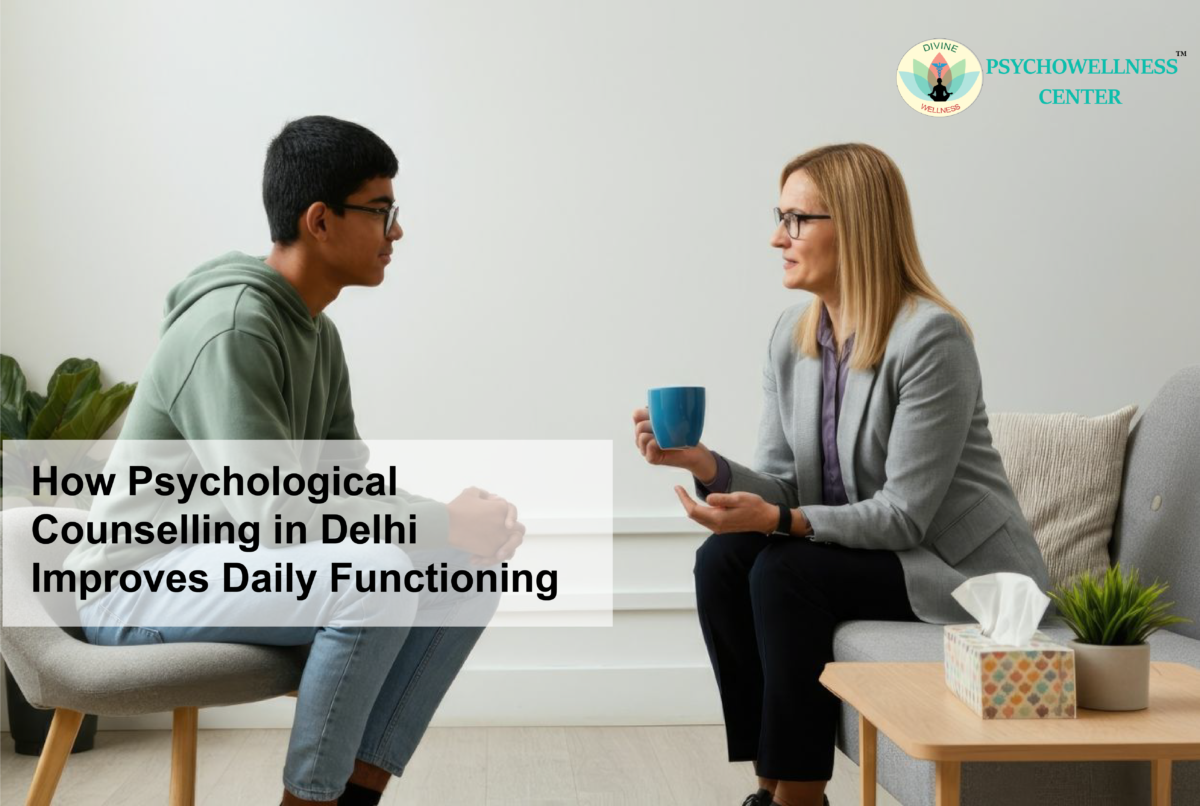
Living in a metropolitan city like Delhi offers opportunity, diversity, and professional growth, but it also brings intense competition and fast-paced routines. Long commutes, demanding workplaces, academic pressures, and family responsibilities can gradually affect emotional balance. Many individuals find themselves constantly juggling expectations without adequate time to recharge. Over time, this imbalance begins to impact concentration, relationships, physical health, and overall productivity.
Psychological counselling provides structured and evidence-based support that helps individuals navigate these everyday challenges more effectively. Rather than offering temporary advice, professional therapy focuses on identifying underlying patterns of thinking, emotional triggers, and behavioural habits that interfere with smooth daily functioning. In a city where performance and multitasking are often glorified, counselling encourages self-awareness, balance, and sustainable coping mechanisms. It empowers individuals to function not just adequately, but optimally, in their personal and professional lives.
Addressing Emotional Overload
One of the most common challenges faced by urban residents is stress. Constant deadlines, traffic congestion, financial obligations, and social expectations can create a state of ongoing mental tension. When this pressure accumulates, it may lead to irritability, fatigue, difficulty concentrating, and reduced productivity. Counselling helps individuals recognise their triggers and adopt practical coping tools such as relaxation exercises, cognitive restructuring, and structured problem-solving.
Alongside stress, many people experience persistent anxiety that interferes with daily routines. This may include excessive worry, overthinking decisions, or feeling restless even during downtime. Therapy provides a safe and confidential space to explore these fears and replace unhelpful thought patterns with balanced perspectives. Through gradual exposure strategies and emotional regulation techniques, individuals learn how to respond calmly rather than react impulsively, improving both efficiency and emotional stability.
Strengthening Productivity and Work-Life Balance
In a competitive city environment, professional pressure can easily lead to burnout. Burnout is not merely tiredness; it involves emotional exhaustion, detachment from work, and a reduced sense of accomplishment. Counselling helps individuals identify early warning signs and implement preventive strategies. These may include setting boundaries, redefining priorities, and restructuring unrealistic expectations.
Effective time management is another critical skill developed during therapy. Many individuals struggle because they attempt to handle multiple responsibilities without structured planning. Counsellors often introduce practical scheduling tools, task prioritisation methods, and realistic pacing strategies. When clients organise their time more effectively, they experience reduced overwhelm and improved daily performance.
Therapy also supports individuals dealing with low motivation. Sometimes people feel stuck, uninspired, or disconnected from their goals. Rather than labelling this as laziness, counselling explores underlying causes such as self-doubt, emotional fatigue, or unresolved conflicts. Through structured goal setting, clients learn to break long-term aspirations into achievable steps, which enhances accountability and confidence. This systematic approach fosters consistency in both professional and personal tasks.
Improving Physical Health Through Emotional Regulation
Mental health is deeply connected to physical well-being. Prolonged emotional strain can contribute to conditions such as hypertension, headaches, digestive concerns, and muscle tension. Counselling addresses these issues by reducing psychological overload and teaching relaxation-based coping strategies. Breathing exercises, progressive muscle relaxation, and cognitive reframing help calm the nervous system, which may positively influence blood pressure and overall health.
Disrupted sleep is another common consequence of emotional imbalance. Racing thoughts, worry, and irregular routines often prevent restorative rest. Counsellors guide clients in building healthy sleep hygiene practices, such as maintaining consistent schedules and reducing nighttime rumination. Improved sleep enhances concentration, emotional regulation, and daytime productivity, creating a positive cycle of better functioning.
Developing Emotional Awareness and Psychological Flexibility
Modern therapeutic approaches emphasise awareness and adaptability. Practices like mindfulness encourage individuals to stay present and observe their thoughts without judgment. This reduces excessive rumination about the past or worry about the future. By cultivating awareness, individuals become better equipped to manage difficult emotions without being overwhelmed by them.
Over time, these practices foster resilience, which refers to the ability to adapt constructively to challenges. Resilient individuals recover more quickly from setbacks and maintain a balanced outlook even during adversity. Therapy nurtures resilience by strengthening coping strategies, promoting self-compassion, and encouraging realistic optimism.
Approaches such as ACT (Acceptance and Commitment Therapy) further enhance daily functioning by teaching individuals to accept uncomfortable emotions rather than suppress them. Instead of fighting internal experiences, clients learn to commit to actions aligned with their values. This increases psychological flexibility and helps individuals move forward even in the presence of discomfort.
Enhancing Relationships and Social Functioning
Daily life is strongly influenced by interpersonal interactions. Miscommunication, unresolved conflicts, and emotional misunderstandings can disrupt both personal and professional relationships. Counselling improves communication skills, emotional expression, and boundary setting. As clients gain insight into their behavioural patterns, they respond more thoughtfully during disagreements and develop healthier relational habits.
In workplaces, improved emotional intelligence supports teamwork, leadership, and conflict resolution. At home, therapy fosters empathy and mutual understanding, strengthening family bonds. As relational stress decreases, individuals experience improved focus and peace of mind in other areas of life.
Promoting Long-Term Personal Growth
The benefits of counselling extend beyond immediate symptom relief. Therapy encourages self-reflection and continuous learning. Individuals gain clarity about their strengths, limitations, and values. With greater self-awareness, decision-making becomes more intentional and aligned with long-term aspirations.
In a dynamic city environment, adaptability is essential. Counselling prepares individuals to handle transitions such as career changes, relocation, relationship shifts, or academic challenges. By strengthening coping mechanisms and emotional balance, therapy enhances overall life satisfaction and consistent daily functioning.
Conclusion
Professional psychological support plays a crucial role in helping individuals manage urban challenges and enhance their quality of life. Institutions such as Psychowellness Center (011-47039812 or 7827208707) are known for providing reliable counselling in Delhi that focuses on evidence-based therapeutic practices and holistic well-being. For those searching for a qualified counsellor near me, the center offers access to experienced mental health professionals who understand diverse emotional and behavioural concerns. Individuals looking for a dependable Counseling Center Near me can benefit from structured programs that promote resilience, productivity, and emotional balance.
In addition, online counselling platforms like TalktoAngel make mental health services more accessible for individuals who prefer flexibility and privacy. Online sessions ensure that professional guidance is available despite busy schedules, traffic challenges, or geographical limitations. Whether through in-person or virtual support, seeking counselling is a meaningful step toward improved daily functioning, emotional clarity, and long-term well-being.
Learn more about mental health issues and counselling –
https://youtu.be/J0j2QJR5CNg?si=BiKRZldQXBw5JAbF
https://youtube.com/shorts/hqedJtagZEU?si=_FwpnZEr2RdOgRiU
https://youtu.be/T-AnKQuAtI0?si=vDp_RK_mIDO6p33T
Contribution: Dr. R.K. Suri, Clinical Psychologist, and Ms. Mansi, Counselling Psychologist
References
- Hayes, S. C., Strosahl, K. D., & Wilson, K. G. (2016). Acceptance and commitment therapy: The process and practice of mindful change (2nd ed.). Guilford Press.
- Maslach, C., & Leiter, M. P. (2016). Burnout: A brief history and how to prevent it. Harvard Business Review Press.
- World Health Organization. (2022). Mental health and well-being. https://www.who.int/health-topics/mental-health