
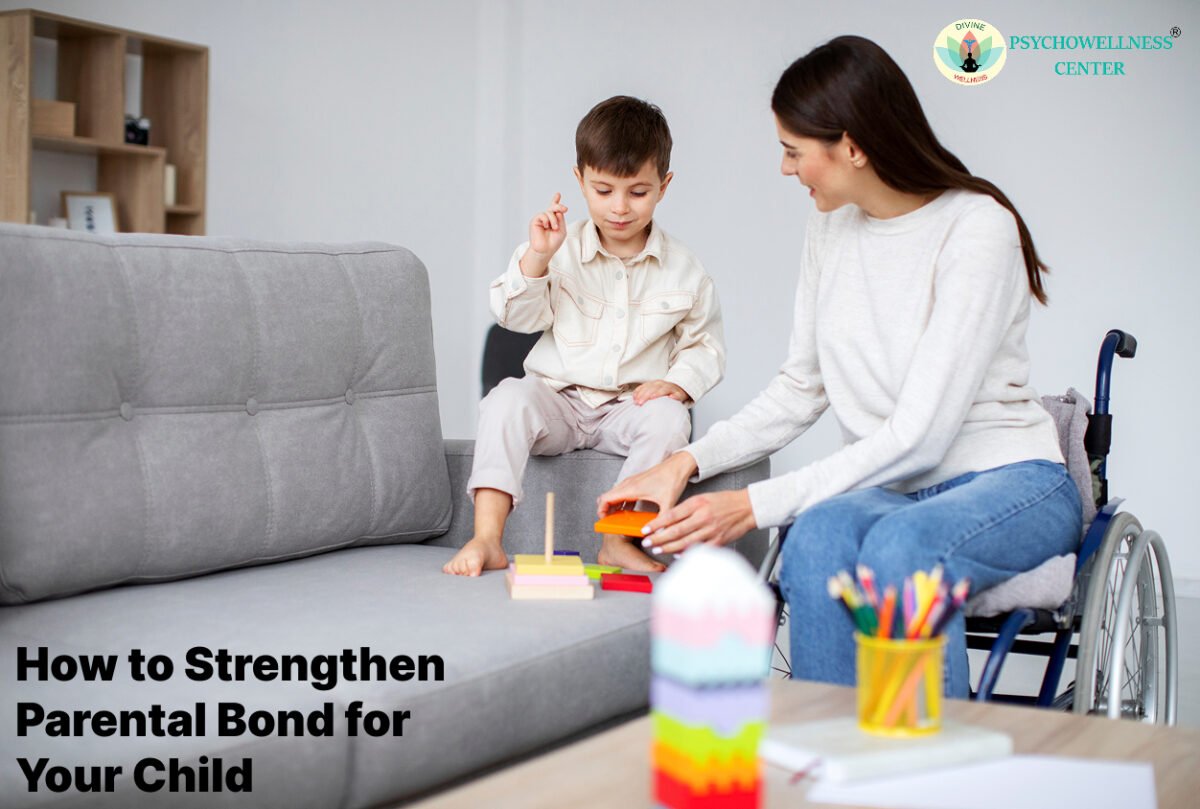
The bond between a parent and a child forms the emotional foundation upon which a child’s mental health, relationships, and self-worth are built. A strong parental bond does not emerge automatically; it develops through consistent emotional availability, trust, and meaningful interaction over time. In today’s fast-paced world, where digital distractions, academic pressure, and work demands compete for attention, nurturing this bond has become more important than ever.
Strengthening the parent child bond is not about being a perfect parent but about being a present, emotionally responsive one. This blog explores the psychological principles behind secure bonding and practical ways parents can deepen their connection with their children at every developmental stage.
Understanding the Psychology of Parent–Child Bonding
From a psychological standpoint, parental bonding is rooted in attachment theory, which suggests that children form emotional bonds based on how caregivers respond to their needs (Bowlby, 1988). When parents consistently offer comfort, safety, and understanding, children develop secure attachment, allowing them to explore the world with confidence.
Securely bonded children tend to show:
- Higher emotional regulation
- Stronger social skills
- Greater resilience to stress
- Better self-esteem
In contrast, inconsistent or emotionally distant parenting can lead to insecure attachment, affecting emotional well-being well into adulthood. Strengthening the bond, therefore, is not just about the present it shapes a child’s future.
Prioritize Emotional Availability Over Perfection
One of the most effective ways to build a strong bond is emotional availability. Children do not need flawless parents; they need caregivers who are emotionally present and responsive. This means noticing your child’s emotional cues and responding with empathy rather than judgment.
For example, instead of immediately correcting a child’s behavior, try understanding the emotion behind it. A tantrum may signal frustration, fear, or exhaustion rather than defiance. When parents validate emotions even while setting boundaries children feel seen and understood.
Simple affirmations such as “I see you’re upset, and I’m here with you” can significantly strengthen emotional trust.
Create Rituals of Connection
Bonding thrives in predictability and shared experiences. Daily or weekly rituals provide children with a sense of security and belonging. These rituals do not need to be elaborate; consistency matters more than complexity.
Examples include:
- Bedtime storytelling
- Shared meals without screens
- Weekly walks or creative activities
- Morning check-ins before school
Such rituals create emotional anchors, allowing children to associate safety and warmth with parental presence. Over time, these moments accumulate into a strong emotional bond.
Practice Attuned Communication
Effective communication goes beyond talking; it involves listening with full attention. Children feel deeply bonded to parents who listen without interrupting, minimizing, or rushing to fix problems.
Attuned communication includes:
- Making eye contact
- Reflecting emotions (“That sounds disappointing”)
- Asking open-ended questions
- Avoiding dismissive responses
When children feel heard, they are more likely to share their thoughts, fears, and experiences openly, strengthening mutual trust.
Engage in Play and Shared Joy
Play is a child’s primary language of connection. Through play, children express emotions, build problem-solving skills, and experience closeness. When parents participate in play without controlling it, children feel valued and emotionally connected.
Shared joy laughing together, celebrating small wins, or engaging in creative activities releases oxytocin, the bonding hormone. These positive emotional experiences reinforce the parent child relationship and create lasting emotional memories.
Even for adolescents, shared humor and interest-based activities help maintain closeness during a phase often marked by emotional distance.
Offer Structure with Warmth
Boundaries and discipline, when delivered with warmth, strengthen rather than weaken the parental bond. Children feel safest when their expectations are clear and consistent. However, discipline rooted in fear or punishment can erode trust.
A balanced approach includes:
- Explaining the reason behind rules
- Using natural consequences instead of harsh punishment
- Separating their behavior from identity (“That behavior wasn’t okay” rather than “You are bad”)
This approach teaches responsibility while preserving emotional connection.
Model Emotional Regulation and Respect
Children learn how to relate to others by observing their parents. Modeling emotional control such as managing anger calmly or expressing emotions healthily teaches children essential life skills.
When parents apologize for mistakes, acknowledge emotions, and treat others respectfully, children internalize these behaviors. This modeling strengthens the bond by demonstrating mutual respect and emotional safety.
Adapt Bonding as Your Child Grows
The way bonding looks changes with age. While young children seek closeness through physical affection and play, adolescents value autonomy, respect, and being heard. Strengthening the bond requires adapting parenting approaches while maintaining emotional availability.
For teenagers, bonding may involve:
- Respecting privacy
- Supporting independence
- Engaging in meaningful conversations rather than constant supervision
Flexibility and openness help preserve connection during developmental transitions.
Conclusion
Strengthening the parental bond with your child is a continuous, evolving process rooted in emotional presence, empathy, and mutual respect. Small, consistent acts of connection often matter more than grand gestures. When parents prioritize emotional availability, attuned communication, and shared experiences, children develop a deep sense of security and belonging.
A strong parental bond does more than nurture childhood, it lays the groundwork for emotional resilience, healthy relationships, and psychological well-being across the lifespan. By choosing connection over perfection, parents can create a lasting emotional bridge that supports their child’s growth and happiness.
Parents who need additional support in strengthening their bond with their child can benefit from professional intervention. The Psychowellness Center in Dwarka Sector-17 and Janakpuri (011-47039812 / 7827208707) offers evidence-based approaches such as attachment-based therapy, parental counseling, play therapy, emotion coaching, and family counseling to foster secure and healthy relationships. For those seeking flexible support, TalktoAngel provides online counseling with trained child psychologists and parenting specialists. These techniques help parents improve emotional attunement, communication, and trust, creating a nurturing environment that supports a child’s emotional and psychological development.
Contribution: Dr. R.K. Suri, Clinical Psychologist, and Ms. Tanu Sangwan, Counselling Psychologist
References
Bowlby, J. (1988). A secure base: Parent-child attachment and healthy human development. Basic Books.
Ainsworth, M. D. S. (1979). Infant–mother attachment. American Psychologist, 34(10), 932–937. https://doi.org/10.1037/0003-066X.34.10.932
Siegel, D. J., & Bryson, T. P. (2012). The whole-brain child. Delacorte Press.
Ginsburg, K. R. (2007). The importance of play in promoting healthy child development. Pediatrics, 119(1), 182–191. https://doi.org/10.1542/peds.2006-2697
Mikulincer, M., & Shaver, P. R. (2016). Attachment in adulthood: Structure, dynamics, and change (2nd ed.). Guilford Press.
https://www.psychowellnesscenter.com/Blog/maintaining-an-emotional-bond-with-your-child/
https://www.psychowellnesscenter.com/Blog/how-to-improve-the-parent-child-relationship/
https://www.psychowellnesscenter.com/Blog/a-guide-to-mindful-parenting/
https://www.psychowellnesscenter.com/Blog/healthy-tips-for-parents-to-engage-with-children/
https://www.psychowellnesscenter.com/Blog/becoming-confident-in-parenting-abilities/
https://www.psychowellnesscenter.com/Blog/handling-the-pressure-of-maintaining-family-bonds/
https://www.talktoangel.com/blog/improve-parent-child-communication-for-a-stronger-bond
https://www.psychowellnesscenter.com/Blog/thriving-through-highs-and-lows-of-parenting/
https://www.psychowellnesscenter.com/Blog/single-parenting/
https://www.psychowellnesscenter.com/Blog/parental-guide-for-children-with-adhd/