
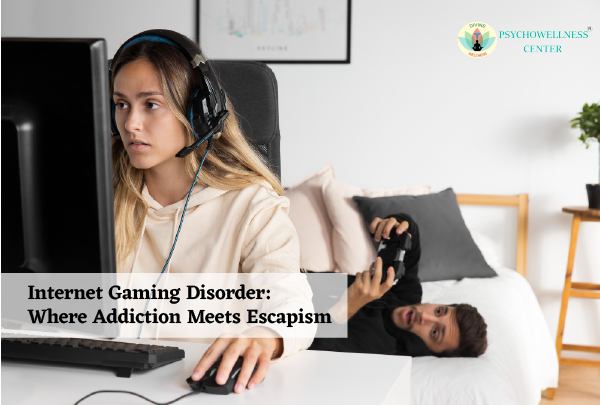
Online gaming has grown to be one of the most popular sources of entertainment in today’s digital world. Millions of people engage in video games for relaxation, competition, and social interaction. While gaming can be enjoyable and even beneficial when practiced in moderation, excessive gaming can lead to serious behavioral and psychological concerns. One such condition is Internet Gaming Disorder (IGD), a behavioral addiction in which gaming begins to dominate a person’s life and interfere with daily functioning.
Internet Gaming Disorder highlights the point where gaming shifts from recreation to dependency. Individuals may begin using gaming as a way to escape from stress, emotional difficulties, or real-life responsibilities. Over time, this pattern can affect relationships, academic performance, professional life, and emotional well-being.
Understanding Internet Gaming Disorder
Internet Gaming Disorder refers to persistent and recurrent engagement in online games that leads to significant impairment in personal, social, academic, or occupational functioning. Individuals experiencing this condition often feel an intense urge to continue gaming even when they are aware of its negative consequences.
Gaming addiction does not simply mean enjoying games or spending long hours occasionally playing them. Instead, it involves a loss of control over gaming behavior. People with Internet Gaming Disorder may repeatedly try to reduce their gaming time but find themselves unable to do so.
The condition can gradually develop as gaming becomes the primary source of enjoyment, emotional relief, or identity. When individuals start prioritizing gaming over responsibilities, relationships, or self-care, it may indicate the presence of a problematic gaming pattern.
Escapism and the Appeal of Virtual Worlds
A key psychological factor contributing to Internet Gaming Disorder is escapism. Online games provide immersive virtual environments where individuals can temporarily forget real-life challenges or emotional stress.
Within these digital worlds, players may experience a strong sense of accomplishment, control, and belonging. Achievements, rewards, levels, and social recognition in games can create powerful motivation to keep playing. For individuals who feel stressed, loneliness, or dissatisfied with certain aspects of their lives, gaming can become a refuge.
However, relying on gaming as the primary way to cope with stress or emotional discomfort can lead to unhealthy dependency. Instead of addressing real-life concerns, individuals may repeatedly escape into the gaming environment, reinforcing the addictive cycle.
Signs and Symptoms of Gaming Addiction
Recognizing the warning signs of Internet Gaming Disorder is essential for early intervention. Individuals experiencing gaming addiction may display several behavioral and emotional patterns.
One of the most noticeable signs is spending excessive time gaming, often neglecting sleep, studies, work responsibilities, or social interactions. Individuals may become preoccupied with gaming, constantly thinking about strategies, achievements, or future gameplay.
Another sign is emotional distress when unable to play. People with gaming addiction may feel irritable, restless, or frustrated if their gaming time is interrupted. They may also hide the amount of time they spend gaming or make excuses to continue playing.
Over time, excessive gaming can lead to declining academic performance, reduced productivity, fatigue, and social withdrawal. Individuals may gradually lose interest in hobbies or activities they previously enjoyed.
Psychological and Social Impact
Internet Gaming Disorder can affect multiple areas of life. Relationships with family and friends may suffer as individuals spend more time in the virtual gaming environment and less time engaging in real-world interactions.
Academic or professional responsibilities may also be affected. Students may struggle to focus on studies, miss deadlines, or skip classes. Adults may experience decreased work performance or difficulty managing their daily responsibilities.
Emotionally, individuals may experience increased stress, anxiety, or depressive symptoms. Gaming may initially provide temporary relief, but over time it can worsen underlying emotional concerns by preventing individuals from addressing real-life problems.
Psychological Risk Factors
Several psychological and environmental factors may increase vulnerability to Internet Gaming Disorder. Adolescents and young adults are particularly at risk due to developmental changes and increased exposure to digital technology.
Personality traits such as impulsivity, competitiveness, or a strong need for achievement may make certain individuals more susceptible to gaming addiction. Emotional difficulties such as loneliness, low self-esteem, stress, or social anxiety may also encourage excessive gaming as a coping strategy.
Game design elements also contribute to prolonged engagement. Reward systems, leveling structures, multiplayer competition, and constant updates encourage players to remain connected to the gaming environment for extended periods.
Therapeutic Approaches for Internet Gaming Disorder
Professional psychological treatment can help individuals regain control over gaming behaviors and develop healthier coping mechanisms. Several evidence-based therapies are used to address gaming addiction.
Cognitive Behavioral Therapy (CBT) is one of the most widely used treatments for behavioral addictions. CBT helps individuals identify the thoughts and emotional triggers that lead to excessive gaming and replace them with healthier behavioral patterns.
Motivational Interviewing (MI) is another helpful therapeutic approach. It focuses on strengthening an individual’s motivation to change problematic behaviors and develop personal goals for reducing gaming habits.
Behavioral Therapy focuses on modifying habits by helping individuals establish structured routines, set time limits for gaming, and replace excessive gaming with healthier activities such as exercise, hobbies, or social engagement.
Family Therapy can be particularly beneficial for adolescents experiencing gaming addiction. It helps families improve communication, establish healthy digital boundaries, and create supportive home environments that encourage balanced technology use.
Mindfulness-Based Therapy is also increasingly used in addiction treatment. Mindfulness techniques help individuals become more aware of their urges and emotional triggers, enabling them to respond more consciously rather than acting impulsively.
These therapeutic approaches aim to strengthen emotional resilience, improve self-control, and encourage healthier coping strategies for managing stress and challenges.
Comprehensive Care at Psychowellness Center
Individuals struggling with Internet Gaming Disorder can benefit greatly from structured psychological support from the counseling psychologists near me. Psychowellness Center provides specialized mental health services for individuals dealing with behavioral addictions, emotional challenges, and digital dependency.
The center offers comprehensive psychological assessments conducted by experienced clinical psychologists in Delhi NCR to understand the underlying factors contributing to gaming addiction. Based on these assessments, personalized treatment plans are developed to address both behavioral patterns and emotional concerns.
Psychowellness Center uses an integrative therapeutic approach that combines Cognitive Behavioral Therapy, motivational counselling, behavioral interventions, mindfulness-based techniques, and emotional regulation strategies. These methods help individuals gradually reduce excessive gaming and develop healthier daily routines.
In addition to individual therapy, the center also provides family counselling and psychoeducation sessions to help parents and family members understand Internet Gaming Disorder and support recovery. Guidance is provided on establishing balanced technology use, improving communication, and strengthening family relationships.
Another key focus of the Psychowellness Center is promoting digital well-being and lifestyle balance. TopPsychologists help individuals build healthier habits, manage screen time effectively, and engage in meaningful offline activities that support emotional and social development.
The center provides a supportive, confidential, and non-judgmental environment where individuals can openly discuss their struggles and receive professional guidance.
For those seeking professional help, the Psychowellness Center is located in Janakpuri and Dwarka Sector 17, Delhi. Individuals can schedule appointments or consultations by contacting 011-47039812 or 7827208707.
Conclusion
Internet Gaming Disorder represents a growing mental health concern in the digital age. While gaming can be an enjoyable and engaging activity, excessive gaming can lead to emotional, social, and functional difficulties when it becomes a primary escape from real-life challenges.
Understanding the psychological factors behind gaming addiction and recognizing early warning signs are essential steps toward prevention and recovery. With professional support, individuals can learn healthier coping strategies, develop balanced technology habits, and regain control over their daily lives.
Centers such as Psychowellness Center provide structured therapeutic interventions and compassionate support for individuals struggling with behavioral addictions. Through evidence-based therapies, emotional guidance, and lifestyle interventions, individuals can move toward healthier digital habits and improved overall well-being.
Contribution: Dr. R.K. Suri, Clinical Psychologist, and Ms. Sakshi Dhankhar, Counselling Psychologist
References
https://www.psychowellnesscenter.com/Blog/counselling-and-therapy-for-internet-gaming-addiction/
https://www.psychowellnesscenter.com/Blog/psychological-effects-of-online-gaming-addiction/
https://www.psychowellnesscenter.com/Blog/link-between-gaming-addiction-and-learning-disability/
https://www.psychowellnesscenter.com/Blog/ways-to-manage-tech-addiction/
https://www.psychowellnesscenter.com/Blog/resolving-internet-addiction-in-teenagers/
American Psychiatric Association. (2022). Diagnostic and statistical manual of mental disorders (5th ed., text rev.; DSM–5–TR). American Psychiatric Publishing.
Brand, M., Young, K. S., & Laier, C. (2014). Prefrontal control and internet addiction: A theoretical model and review of neuropsychological findings. Frontiers in Human Neuroscience, 8, 375. https://doi.org/10.3389/fnhum.2014.00375
Kuss, D. J., & Griffiths, M. D. (2012). Internet gaming addiction: A systematic review of empirical research. International Journal of Mental Health and Addiction, 10(2), 278–296. https://doi.org/10.1007/s11469-011-9318-5