
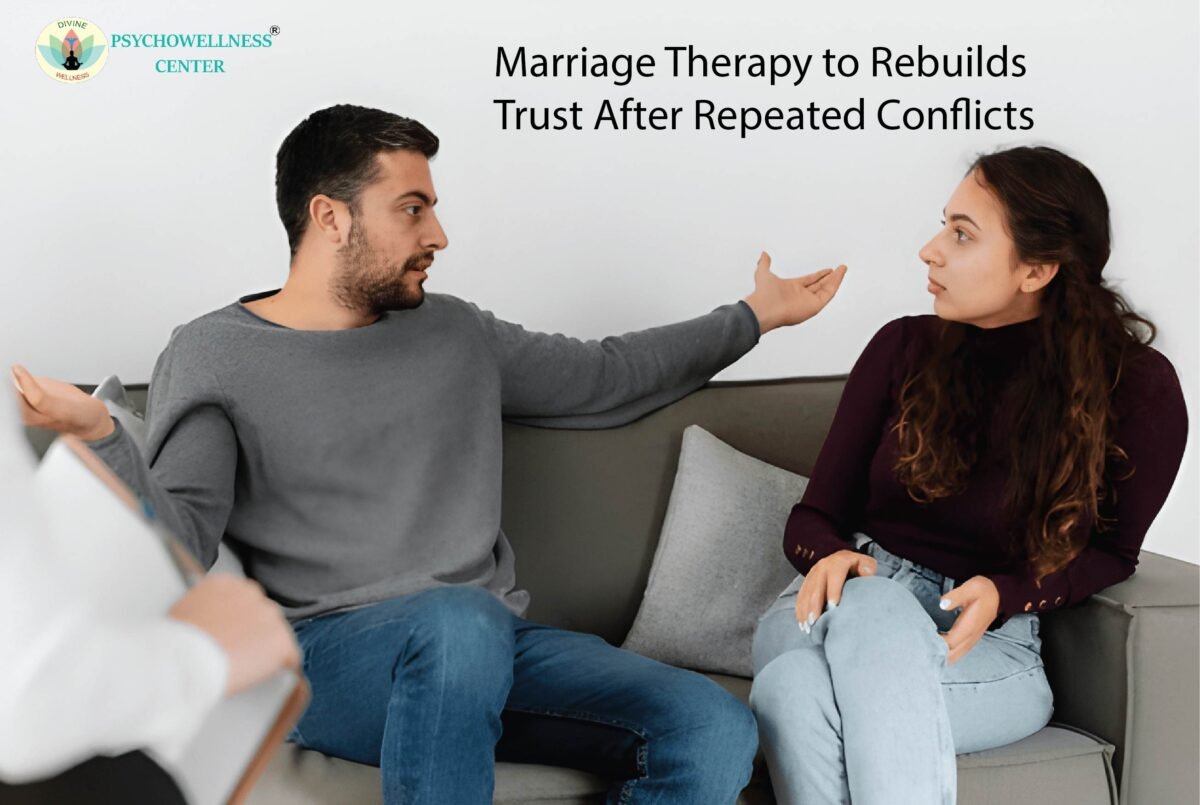
Marriage is a complex emotional partnership that evolves through shared experiences, responsibilities, and challenges. While conflict is a natural part of any intimate relationship, repeated unresolved conflicts can slowly erode trust, emotional safety, and connection between partners. Over time, constant arguments, misunderstandings, or emotional withdrawal may lead couples to feel disconnected, resentful, or uncertain about the future of their marriage.
Trust, once damaged, does not easily repair itself. It requires intentional effort, emotional insight, and often professional guidance. Marriage therapy plays a vital role in helping couples understand the deeper patterns behind repeated conflicts and rebuild trust in a healthy, sustainable way.
Understanding the Impact of Repeated Conflicts on Trust
Repeated conflicts often signal unresolved emotional needs, communication breakdowns, or unmet expectations. When disagreements follow the same patterns without resolution, partners may begin to feel unheard or invalidated. Over time, this can lead to emotional distancing, defensiveness, or chronic dissatisfaction.
From a mental health perspective, ongoing marital conflict activates stress responses in the brain, increasing anxiety, irritability, and emotional exhaustion. Trust begins to weaken when partners anticipate criticism, rejection, or emotional harm during interactions. This erosion of trust can affect not only the relationship but also individual self-esteem, emotional regulation, and overall psychological well-being.
What Is Marriage Therapy?
Marriage therapy is a structured, evidence-based therapeutic approach designed to help couples address relational challenges and strengthen emotional bonds. It provides a safe, neutral space where both partners can express thoughts and emotions without fear of judgment.
Marriage therapy focuses on understanding relationship dynamics rather than assigning blame. Therapists help couples identify unhealthy communication patterns, emotional triggers, and unresolved issues that contribute to repeated conflict. Through guided sessions, couples learn healthier ways to interact, resolve disagreements, and rebuild emotional trust.
How Marriage Therapy Helps Rebuild Trust
- Creating Emotional Safety
Trust cannot grow without emotional safety. Marriage therapy emphasises creating an environment where both partners feel heard, respected, and validated. When emotional safety is restored, couples are more willing to open up and engage honestly.
- Identifying Root Causes of Conflict
Repeated conflicts often stem from deeper emotional wounds, unmet needs, or past experiences. Therapy helps couples move beyond surface-level arguments to understand the underlying emotional drivers of their disagreements, including unresolved Stress, emotional burnout, or patterns of Relationship problems.
- Improving Communication Skills
Many marital conflicts are intensified by poor communication. Marriage therapy teaches couples how to listen actively, express emotions constructively, and communicate needs without criticism or defensiveness.
- Rebuilding Accountability and Consistency
Trust is rebuilt through consistent behaviour over time. Therapy encourages partners to take responsibility for their actions, follow through on commitments, and demonstrate reliability in everyday interactions.
- Healing Emotional Injuries
Repeated conflicts may leave emotional scars such as resentment, disappointment, or betrayal. Marriage therapy provides tools to process these emotions, promote forgiveness, and support emotional healing, particularly when experiences of Emotional Abuse or chronic conflict have impacted trust.
The Role of Emotional Regulation in Marriage Therapy
Emotional regulation is a key component of trust-building. When partners struggle to manage anger, frustration, or anxiety, conflicts can escalate quickly. Marriage therapy helps individuals develop emotional awareness and coping strategies that reduce reactivity during disagreements.
Learning to pause, reflect, and respond thoughtfully allows couples to break cycles of emotional escalation. Over time, improved emotional regulation contributes to calmer discussions, healthier conflict resolution, and stronger emotional bonds.
Addressing Mental Health Concerns Within Marriage
Marital conflict does not exist in isolation. Individual mental health challenges such as anxiety, depression, unresolved trauma, or stress can significantly impact relationship dynamics. Marriage therapy often integrates mental health awareness to ensure that both partners receive holistic support from trained clinical psychologists.
Therapists may help couples understand how individual emotional struggles influence communication, attachment, and trust. When mental health needs are acknowledged and addressed, couples are better equipped to support each other and rebuild connection.
Rebuilding Trust Takes Time
Trust is not restored through a single conversation or therapy session. It is a gradual process that requires patience, consistency, and commitment from both partners. Marriage therapy helps couples set realistic expectations and develop long-term strategies for maintaining trust.
Progress often includes small but meaningful changes, improved listening, reduced defensiveness, increased empathy, and greater emotional openness. Over time, these changes accumulate, allowing trust to grow stronger than before.
When Should Couples Consider Marriage Therapy?
Couples may benefit from marriage therapy when:
- Conflicts feel repetitive and unresolved
- Communication has become strained or emotionally distant
- Trust has been damaged due to repeated misunderstandings
- Emotional intimacy has declined
- Stress or mental health concerns are affecting the relationship
Seeking help early can prevent further damage and support healthier relationship outcomes.
Conclusion
Rebuilding trust after repeated conflicts can feel overwhelming, but with the right guidance, patience, and mutual commitment, meaningful healing is possible. Marriage therapy helps couples understand each other’s emotional needs, repair relational ruptures, and restore a foundation of trust, safety, and respect. Through structured therapeutic support, partners learn healthier communication patterns, emotional regulation, and conflict-resolution strategies that promote long-term relationship resilience.
The Psychowellness Center (Contact: 011-47039812 / 7827208707), located in Dwarka Sector-17 and Janakpuri, New Delhi, provides specialised marriage counselling through personalised therapeutic approaches that strengthen emotional connection, rebuild trust, and support overall well-being. Additionally, for individuals searching for the best psychologist near me or flexible access to care, online platforms like TalktoAngel connect couples with experienced psychologists who offer confidential, evidence-based relationship support. Together, these evolving treatment options make compassionate, effective, and individualised marital care more accessible than ever.
Explain More:
References
- Gottman, J. M., & Silver, N. (2015). The seven principles for making marriage work. Harmony Books.
- Johnson, S. M. (2004). The practice of emotionally focused couple therapy. Brunner-Routledge.
- Fincham, F. D., & Beach, S. R. H. (2010). Marriage in the new millennium: A decade in review. Journal of Marriage and Family, 72(3), 630–649.
- Bodenmann, G. (2005). Dyadic coping and its significance for marital functioning. European Review of Applied Psychology, 55(3), 185–197.
- Lebow, J., Chambers, A., Christensen, A., & Johnson, S. (2012). Research on the treatment of couple distress. Journal of Marital and Family Therapy, 38(1), 145–168.
- https://www.psychowellnesscenter.com/service-relationship-issues-counselling-delhi/
- https://www.psychowellnesscenter.com/Blog/how-unspoken-family-culture-spills-into-newly-married-couple/
- https://www.psychowellnesscenter.com/Blog/best-relationship-marriage-counseling-in-delhi-ncr/
- https://www.psychowellnesscenter.com/Blog/best-marriage-counsellor-in-dwarka-sector-21-delhi/
- https://www.psychowellnesscenter.com/Blog/best-marriage-counselors-in-janakpuri-delhi/
- https://www.psychowellnesscenter.com/Blog/why-to-choose-couples-therapy/
- https://www.psychowellnesscenter.com/Blog/best-marriage-counselor-in-vasant-vihar-delhi/