
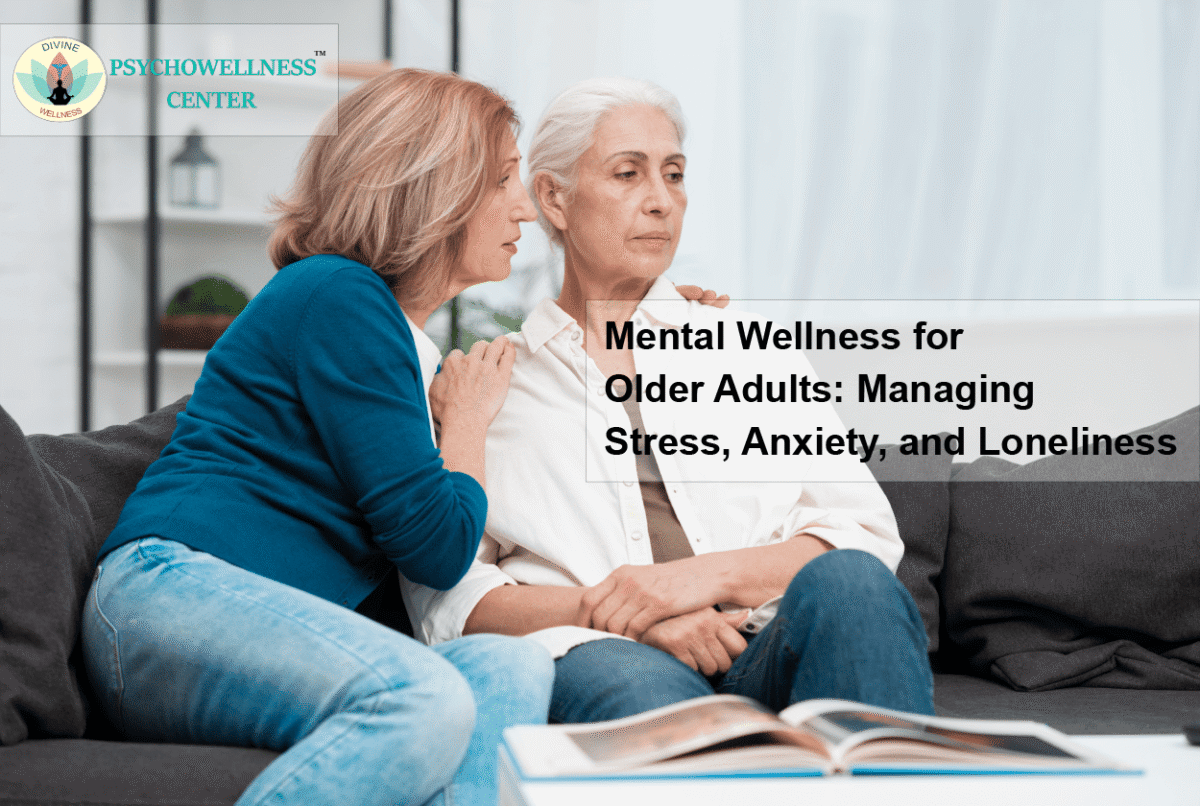
Ageing is a natural part of life, but it comes with unique challenges that can impact mental wellness. Older adults often face stress, anxiety, and loneliness due to physical limitations, health concerns, loss of loved ones, or changing social roles. Maintaining mental health is essential for overall well-being, and adopting strategies that promote emotional and cognitive resilience can make a significant difference. This blog explores practical ways older adults can manage mental health concerns, emphasizing leisure activities and hobbies, exercise for seniors, quality sleep, and cognitive care.
Understanding Mental Health in Older Adults
Mental health is a broad term encompassing emotional, psychological, and social well-being. For older adults, common concerns include depression, anxiety, trauma, PTSD, and feelings of isolation or loneliness. Ageing can also bring changes in physical health, which may exacerbate stress and anxiety. Challenges such as family problems, dependence on others, or coping with chronic illness can contribute to emotional strain. Recognizing these issues early and taking proactive steps is crucial for enhancing quality of life.
The Role of Leisure Activities and Hobbies
Engaging in leisure activities and hobbies is a powerful tool to manage stress and prevent feelings of loneliness. Hobbies such as painting, gardening, reading, or learning a musical instrument provide meaningful engagement and help foster a sense of accomplishment. Social hobbies, like joining a book club, participating in community groups, or attending senior centres, offer opportunities for communication and relationship building. These activities not only improve mental health but also stimulate cognitive function, reducing the risk of cognitive decline.
Exercise for Seniors: Strengthening Mind and Body
Physical activity is strongly linked to mental wellness. Exercise for seniors, whether it’s walking, yoga, swimming, or light strength training, can improve mood, reduce anxiety, and alleviate symptoms of depression. Regular movement enhances physical health, promotes better sleep, and increases resilience against stress. Exercise also reduces the risk of hypertension and other chronic conditions that can negatively affect mental well-being. Incorporating gentle, consistent physical activity into daily routines is essential for sustaining both physical and emotional health.
Get Quality Sleep for Mental Clarity
Sleep is fundamental to mental wellness. Poor sleep can heighten anxiety, depression, irritability, and even exacerbate symptoms of trauma or PTSD. Older adults often experience changes in sleep patterns, making it crucial to adopt habits that support restorative rest. Strategies include maintaining a consistent sleep schedule, creating a calming bedtime routine, and addressing factors such as caffeine intake or noise disruptions. Ensuring quality sleep improves mood, cognitive performance, and overall resilience.
Taking Care of Your Cognitive Health
Cognitive health is integral to aging well. Mental stimulation through puzzles, memory games, reading, or learning new skills helps maintain brain function. Participating in social activities or volunteering can also enhance cognitive engagement while fostering a sense of purpose. Taking care of cognitive health not only helps prevent memory loss but also reduces anxiety and fear of missing out on social connections. Mindfulness practices, meditation, and journaling are additional tools to strengthen mental clarity and emotional resilience.
Managing Emotional Challenges
Older adults may experience emotional challenges such as anger, fear, burnout, or body image concerns. Addressing these feelings requires self-awareness and support. Therapy, online therapy, counselling, or guidance from a qualified counsellor or therapist can provide coping strategies for depression, anxiety, or unresolved trauma. Discussing emotions openly with family or trusted friends can also alleviate emotional burden and improve relationship satisfaction.
Additionally, older adults sometimes struggle with addiction, communication disorders, or dependence on caregivers. Recognising these issues early and seeking professional support can prevent worsening mental health outcomes. Proactive mental health care promotes self-improvement, resilience, and empowerment in later life.
Building Social Connections
Loneliness is a significant risk factor for mental health problems among older adults. Maintaining strong relationships through family, friends, or community groups is critical. Parenting roles, even as grandparents, offer opportunities for meaningful connection and emotional fulfilment. Social engagement combats feelings of isolation and supports overall mental wellness.
Volunteering or joining support groups can provide purpose and foster new relationships. Online platforms also offer virtual communities where seniors can interact, access therapy, or join interest-based groups, mitigating loneliness and promoting emotional resilience.
Stress Reduction Techniques
Chronic stress can negatively affect both mental and physical health, increasing the risk of hypertension, burnout, and cognitive decline. Mindfulness practices, meditation, deep-breathing exercises, and progressive muscle relaxation are effective ways to reduce stress and anxiety. Establishing boundaries in family or caregiving situations can prevent overload and promote mental stability.
Learning to manage fear, anger, or frustration through therapy or self-help resources strengthens resilience and helps maintain emotional equilibrium. Developing these coping strategies ensures that older adults can face life transitions with confidence and grace.
Integrating Mental and Physical Health
Mental wellness is closely tied to physical health. Conditions like hypertension, chronic pain, or sleep disturbances can exacerbate mental health issues. Conversely, mental health problems such as anxiety or depression can worsen physical symptoms. A holistic approach that includes proper nutrition, regular medical check-ups, physical activity, and mental health care creates a supportive environment for overall well-being. Maintaining balance is key: exercise, quality sleep, mental stimulation, social engagement, and professional therapy work synergistically to enhance both mind and body.
Seeking Professional Support
Sometimes, self-care strategies may not be sufficient, and professional guidance becomes necessary. A counsellor, therapist, or online therapy service can provide tailored interventions for issues like depression, PTSD, addiction, or severe anxiety. These professionals can also offer strategies for managing family problems, communication disorders, or feelings of dependence.
Conclusion
Mental wellness in older adults requires a proactive and multifaceted approach. By prioritising leisure activities and hobbies, regular exercise for seniors, quality sleep, and cognitive health, older adults can better manage stress, anxiety, and feelings of loneliness. Emotional well-being, family relationships, and physical health are deeply interconnected, and addressing them holistically strengthens resilience and enhances overall quality of life. Seeking support from experienced therapists, counsellors, or online therapy platforms can offer valuable guidance, reassurance, and coping strategies.
For confidential psychological support tailored to older adults, the Psychowellness Center—known by many as the best psychologist near me, a trusted therapist near me, and a leading psychologist in Delhi NCR—can be contacted at (+91 78272 08707) or (+91 11 4707 9079). Reaching out for professional help empowers seniors to take proactive steps toward emotional balance, self-growth, and lasting mental well-being.
Ultimately, promoting mental wellness in later life enables older adults to live a fulfilling, engaged, and emotionally balanced life. By investing in both mind and body, they can transform challenges into meaningful opportunities for connection, resilience, and personal growth.
Learn more – https://youtube.com/shorts/4rfMstrphjg?si=XBMORg8KpByMrLY6
https://youtube.com/shorts/cA_BJSRoVF4?si=-fhQBC4PVGxKYdIR
https://youtube.com/shorts/zdFcGvuKmMk?si=MoNp_PIUEVcFKyNX
Contribution: Dr. R.K. Suri, Clinical Psychologist, and Ms. Drishti Rajore, Counselling Psychologist
References
- American Psychological Association. (2020). Older adults and mental health. https://www.apa.org/pi/aging/resources/guides/older-adults-mental-health
- Centers for Disease Control and Prevention. (2022). Mental health and older adults. https://www.cdc.gov/aging/mental-health/index.html
- National Institute on Aging. (2023). Caring for your mental health as you age. https://www.nia.nih.gov/health/caring-your-mental-health
- World Health Organization. (2017). Mental health of older adults. https://www.who.int/news-room/fact-sheets/detail/mental-health-of-older-adults