
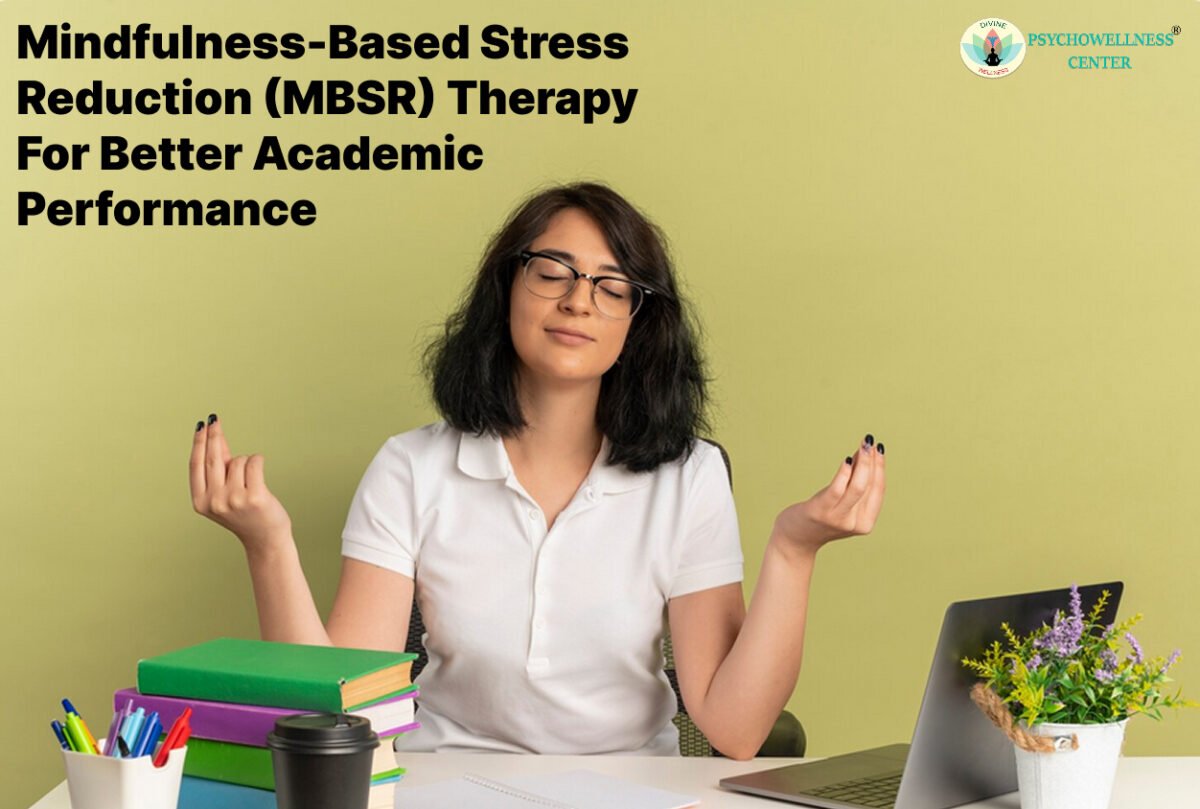
Academic life can be demanding, competitive, and often overwhelming. Students face multiple stressors, including examinations, deadlines, social pressures, and expectations from family and peers. Chronic stress can impair focus, memory, and overall academic performance, making stress management a crucial aspect of student well-being. One evidence-based approach that has gained increasing attention is Mindfulness-Based Stress Reduction (MBSR) therapy, a structured program designed to reduce stress and improve mental, emotional, and cognitive functioning.
Developed by Jon Kabat-Zinn in the late 1970s at the University of Massachusetts Medical School, MBSR is an eight-week program that integrates mindfulness meditation, body awareness, and gentle yoga. Its primary aim is to cultivate present-moment awareness, helping individuals respond to stressors with clarity, calmness, and intentionality. For students, MBSR offers a toolkit to manage academic pressures, enhance concentration, and boost overall academic performance.
Understanding Mindfulness and MBSR
Mindfulness is the practice of paying deliberate, non-judgmental attention to the present moment, including thoughts, emotions, and bodily sensations. Unlike traditional coping strategies that aim to suppress stress or escape from it, mindfulness encourages acceptance and awareness, reducing reactive and automatic responses to stressors.
MBSR is a structured intervention that typically includes:
- Formal meditation practices: Guided sitting meditations, body scans, and mindful breathing exercises.
- Gentle yoga: Slow, mindful movements to enhance body awareness and reduce tension.
- Informal mindfulness exercises: Applying mindfulness to daily activities such as eating, walking, or studying.
- Group discussions and reflection: Sharing experiences and insights to reinforce learning and awareness.
Through regular practice, students develop greater self-regulation, emotional resilience, and attentional control, all of which are critical for academic success.
The Impact of Stress on Academic Performance
Academic stress can manifest in various forms, including anxiety, procrastination, fatigue, and cognitive overload. High levels of stress interfere with working memory, executive function, and problem-solving abilities, which are essential for learning and performance. Chronic stress may also trigger physical symptoms such as headaches, insomnia, and digestive disturbances, further impairing academic productivity. By addressing stress at both the psychological and physiological levels, MBSR helps students break this cycle, enabling them to approach their studies with greater focus, clarity, and confidence.
How MBSR Improves Academic Performance
- Enhances Concentration and Attention:- Mindfulness meditation trains the mind to sustain attention on the present moment. Students who practice MBSR can develop improved focus during lectures, study sessions, and exams, reducing distractibility and improving information retention. Studies have shown that mindfulness practice enhances attentional control, which directly supports learning and academic performance.
- Reduces Anxiety and Test Stress:- Exam-related anxiety is a common barrier to optimal academic performance. MBSR equips students with tools to observe anxious thoughts without becoming overwhelmed by them. By fostering non-reactive awareness, students can manage test anxiety more effectively, leading to improved performance during high-stress academic situations.
- Improves Emotional Control:- Emotional regulation is critical for maintaining motivation and resilience in the face of academic challenges. MBSR helps students recognize and manage emotions such as frustration, disappointment, or self-doubt. With better emotional regulation, students are less likely to engage in procrastination, self-sabotage, or avoidance behaviors that hinder academic achievement.
- Enhances Cognitive Flexibility:- Mindfulness practice has been associated with improved cognitive flexibility, allowing students to adapt to changing academic demands, generate creative solutions, and engage in critical thinking. This flexibility is essential for problem-solving tasks, writing assignments, and collaborative projects.
- Promotes Overall Well-Being:- MBSR not only improves academic performance but also enhances overall well-being by reducing stress-related symptoms, promoting better sleep, and encouraging healthier lifestyle choices. A balanced and healthy student is better equipped to learn, retain information, and perform at their best.
Implementing MBSR for Students
Implementing MBSR in academic settings can take various forms:
- Structured courses: Universities can offer MBSR programs led by trained instructors, often spanning eight weeks with weekly sessions and daily home practices.
- Workshops and seminars: Shorter sessions can introduce students to mindfulness techniques, breathing exercises, and meditation practices.
- Digital platforms: Mobile apps and online courses allow students to practice MBSR at their own pace, making it accessible for busy schedules.
- Integration into daily routines: Students can incorporate informal mindfulness exercises while studying, walking, or performing daily tasks to reinforce mindfulness practice.
- To maximize benefits, consistency is key. Daily or frequent practice, even for 10–20 minutes, can yield significant improvements in stress management, emotional regulation, and academic outcomes.
Evidence Supporting MBSR in Academic Settings
Research has consistently demonstrated the effectiveness of MBSR for students:
- Studies indicate that students practicing MBSR show reduced anxiety, depression, and stress levels, with corresponding improvements in academic focus and performance.
- Neuroimaging research suggests that mindfulness practice enhances prefrontal cortex activity, improving attention, decision-making, and emotional regulation.
- Meta-analyses have confirmed that MBSR interventions in educational contexts lead to higher academic engagement, improved cognitive functioning, and greater well-being among participants.
These findings highlight the potential of MBSR as a practical, evidence-based intervention for supporting academic success and holistic student development.
Conclusion
Mindfulness-Based Stress Reduction (MBSR) therapy offers a structured and effective approach for managing academic stress, enhancing cognitive functioning, and improving overall well-being. By cultivating present-moment awareness, emotional regulation, and resilience, students can navigate the pressures of academic life more effectively, leading to improved focus, motivation, and performance.
Integrating MBSR into academic life can be advantageous for educational institutions, parents, and students. Whether through structured courses, workshops, or daily mindfulness practices, MBSR equips students with tools to thrive academically while maintaining mental and emotional health. In an increasingly demanding academic landscape, mindfulness is not just a coping strategy, it is a performance-enhancing skill that supports lifelong learning and well-being.
Mindfulness-Based Stress Reduction (MBSR) therapy offers students a powerful, evidence-based way to manage academic stress while enhancing focus, emotional balance, and overall performance. When academic pressure begins to affect concentration, motivation, sleep, or mental health, seeking professional support can make a meaningful difference. Psychowellness Center, with clinics in Dwarka Sector-17 and Janakpuri, provides structured interventions such as MBSR, Cognitive Behaviour Therapy (CBT), stress management therapy, mindfulness-based counselling, and academic performance enhancement programs, tailored to students’ unique needs. Support is also accessible through online platforms like TalktoAngel, making therapy convenient and flexible for busy academic schedules. For guidance and appointments, students and parents can contact 011-47039812 or 7827208707. With the right therapeutic support and consistent mindfulness practice, students can not only perform better academically but also develop lifelong skills for resilience, emotional regulation, and well-being.
Contribution: Dr. R.K. Suri, Clinical Psychologist, and Ms. Sakshi Dhankhar, Counselling Psychologist
References
- Kabat-Zinn, J. (1990). Full catastrophe living: Using the wisdom of your body and mind to face stress, pain, and illness. New York, NY: Dell Publishing.
- Chiesa, A., & Serretti, A. (2009). Mindfulness-based stress reduction for stress management in healthy people: A review and meta-analysis. Journal of Alternative and Complementary Medicine, 15(5), 593–600. https://doi.org/10.1089/acm.2008.0495
- Zenner, C., Herrnleben-Kurz, S., & Walach, H. (2014). Mindfulness-based interventions in schools—a systematic review and meta-analysis. Frontiers in Psychology, 5, 603. https://doi.org/10.3389/fpsyg.2014.00603