
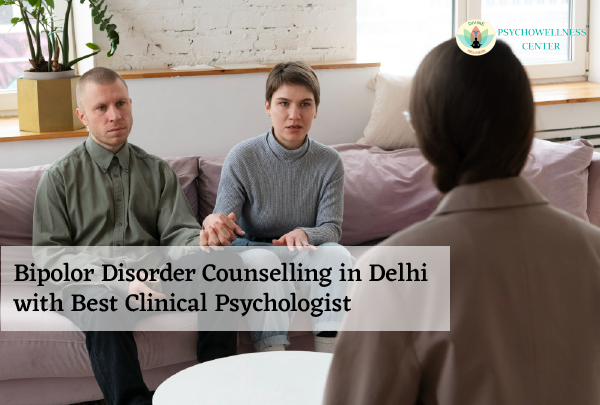
If you or someone you love has been riding an emotional rollercoaster — weeks of racing thoughts and boundless energy followed by crushing lows that make getting out of bed feel impossible — you’re not imagining things, and you’re not alone. Bipolar disorder treatment in Delhi has come a long way, and a big part of that progress is the work clinical psychologists do alongside psychiatrists. This guide covers what bipolar disorder looks like, how it’s diagnosed, and how therapy, medical care, and lifestyle changes work together to build a stable life.
What Is Bipolar Disorder and How Common Is It in Delhi?
Bipolar disorder causes dramatic shifts between manic (or hypomanic) highs and depressive lows. These aren’t ordinary mood swings — episodes can last days, weeks, or months, affecting sleep, energy, judgment, and relationships.
In a fast-paced city like Delhi, work stress, disrupted sleep, and social isolation can worsen symptoms or trigger new episodes. More people across the NCR are now seeking bipolar disorder management therapy, thanks to growing awareness and the genuine mental health toll of urban life. With evidence-based treatment for mood disorders, most people go on to live stable, productive lives.
What Are the Common Signs and Symptoms of Bipolar Disorder?
Recognising manic and depressive episode symptoms early is key to getting timely help.
Manic or hypomanic episode signs:
- Elevated or irritable mood, racing thoughts, rapid speech
- Decreased need for sleep without feeling tired
- Impulsive decisions and inflated self-confidence
- Difficulty concentrating on one task
Depressive episode signs:
- Persistent sadness, hopelessness, or emptiness
- Loss of interest in activities once enjoyed
- Fatigue and low energy despite resting
- Sleep disturbances — too much or too little
- In severe cases, thoughts of self-harm
If these patterns are affecting daily life, it’s worth reaching out to a professional rather than waiting for things to settle on their own.
How Does a Clinical Psychologist Diagnose Bipolar Disorder?
Diagnosis is a structured process, not a single test:
- Clinical interview — mood history, family history, and impact on daily functioning
- Standardised assessments — mood charts and rating scales tracking symptom patterns
- Ruling out overlapping conditions — like depression, anxiety, or ADHD
- Input from family or close contacts — since manic symptoms are often underreported by the person experiencing them
This careful approach matters: misdiagnosing bipolar disorder as plain depression can lead to treatment that worsens manic symptoms.
Clinical Psychologist vs Psychiatrist: What’s the Difference
A clinical psychologist holds doctoral-level training in psychology and therapy. They cannot prescribe medication — their core role is therapy, assessment, and building coping strategies, which makes them best suited for talk therapy, mood tracking, and relapse prevention.
A psychiatrist, on the other hand, is a medical doctor specialising in mental health and can prescribe medication. Their core role centres on medication management and medical monitoring, making them essential for mood stabilisers and ongoing medical oversight.
The most effective care usually involves both—a psychiatrist manages medication, while a psychologist provides ongoing support that helps someone apply and sustain that stability day to day.
What Treatment Approaches Do Clinical Psychologists Use?
- CBT for bipolar disorder: identifies distorted thought patterns, builds coping skills, and helps spot early warning signs before an episode takes hold
- Psychoeducation: understanding triggers, and the importance of medication adherence is one of the strongest protections against relapse
- Emotionally Focused Therapy (EFT): helps individuals and couples identify and reshape the emotional patterns that strain relationships during mood episodes, building more secure, supportive attachment bonds that can buffer against relapse
- Interpersonal and Social Rhythm Therapy (IPSRT): stabilises daily routines like sleep, meals, and activity
- Family-focused therapy: improves communication and creates a more supportive home environment
- Mindfulness-based approaches: reduce rumination and emotional reactivity, especially during depressive phases
When Is a Psychiatrist Needed Alongside a Clinical Psychologist?
Because bipolar disorder has a strong biological component, a psychiatrist should be involved when:
- Symptoms disrupt work, relationships, or safety
- There’s a family history of bipolar disorder
- Depressive episodes haven’t responded to therapy alone
- Mood stabilisers or antipsychotics are being considered
A collaborative model, where both professionals coordinate care, consistently produces better long-term outcomes.
How Can Counselling Help With Bipolar Depression and Mood Swings?
Counselling offers a space to process the emotional toll of an unpredictable condition. It helps by:
- Reducing the intensity of mood swings through early-warning recognition
- Managing bipolar depression via behavioural activation and cognitive restructuring
- Rebuilding self-esteem after episodes that strained relationships or careers
- Developing crisis plans so both the individual and family know what to do if symptoms escalate
Regular sessions — in person build the consistency needed to stay on track between appointments.
What Lifestyle Changes Complement Bipolar Disorder Treatment?
Therapy and medication lay the foundation, but daily habits keep it stable:
- Managing sleep patterns: consistent bedtimes, limited nighttime screen use, and treating disrupted sleep as an early warning sign
- Long-term stress management: regular exercise, structured routines, and relaxation techniques like deep breathing or yoga
- Limiting alcohol and recreational substance use
- Keeping a mood journal or using a tracking app
- Building a reliable support network and sticking to medication schedules, even when feeling “fine”
How Do You Choose the Right Clinical Psychologist in Delhi?
When you consult a clinical psychologist for bipolar disorder in Delhi, look for:
- Relevant specialisation in mood disorders, not just general counselling
- Collaborative approach, willing to coordinate with a psychiatrist when needed
- Evidence-based methods like CBT or IPSRT
- Comfort and trust — you should feel heard, not judged
- Flexibility, including online therapy for bipolar disorder for follow-ups or low-episode days
Can’t Visit a Clinic? Try TalktoAngel for Online Support
Not everyone can make it to an in-person appointment. Busy work schedules, difficulty travelling during a low episode, or living outside Delhi can make regular appointments challenging. In such situations, TalktoAngel offers a convenient way to access professional mental health support from home, including online therapy for bipolar disorder when appropriate.
If you can’t visit the clinic, you can connect with experienced clinical psychologists online through TalktoAngel, wherever you are. The platform makes it easy to book confidential sessions and stay consistent with therapy — one of the biggest factors in preventing relapse.
Meet Dr. R. K. Suri — Clinical Psychologist at Psychowellness Center
Dr. R. K. Suri is a well-regarded clinical psychologist known for his structured, compassionate approach to treating mood disorders. At Psychowellness Center — recognised as one of the best clinics for bipolar disorder treatment in Delhi NCR — care combines therapy, psychoeducation, and close coordination with psychiatric support when medication is needed, guiding patients toward practical, sustainable strategies for managing symptoms and preventing relapse. You can also consult top psychologists in Delhi at the center’s branches for accessible, ongoing support closer to home.
Final Thoughts: Taking the First Step Toward Stability
Living with bipolar disorder doesn’t mean living without stability — it means having the right support system in place. A clinical psychologist can help you understand your patterns, build coping strategies, and connect you with psychiatric care when needed for a truly comprehensive treatment plan.
If mood swings, sleep disturbances, or unpredictable highs and lows are affecting your life or a loved one’s, don’t wait for things to get harder. Reach out to Dr. R. K. Suri at Psychowellness Center, or connect online through TalktoAngel, to book a consultation and take the first step toward lasting emotional balance.
Frequently Asked Questions
Why do relationships often feel unstable during bipolar episodes?
Rapid mood shifts can make communication unpredictable — a partner may seem withdrawn one week and impulsive the next. Relationship counselling helps both partners recognise these shifts as symptoms, not personal attacks, easing tension considerably.
Does workplace stigma affect people with bipolar disorder seeking help?
Yes, fear of being seen as unreliable often stops people from asking for accommodations. Promoting mental health awareness through workplace wellness counselling helps normalise seeking support without career consequences.