
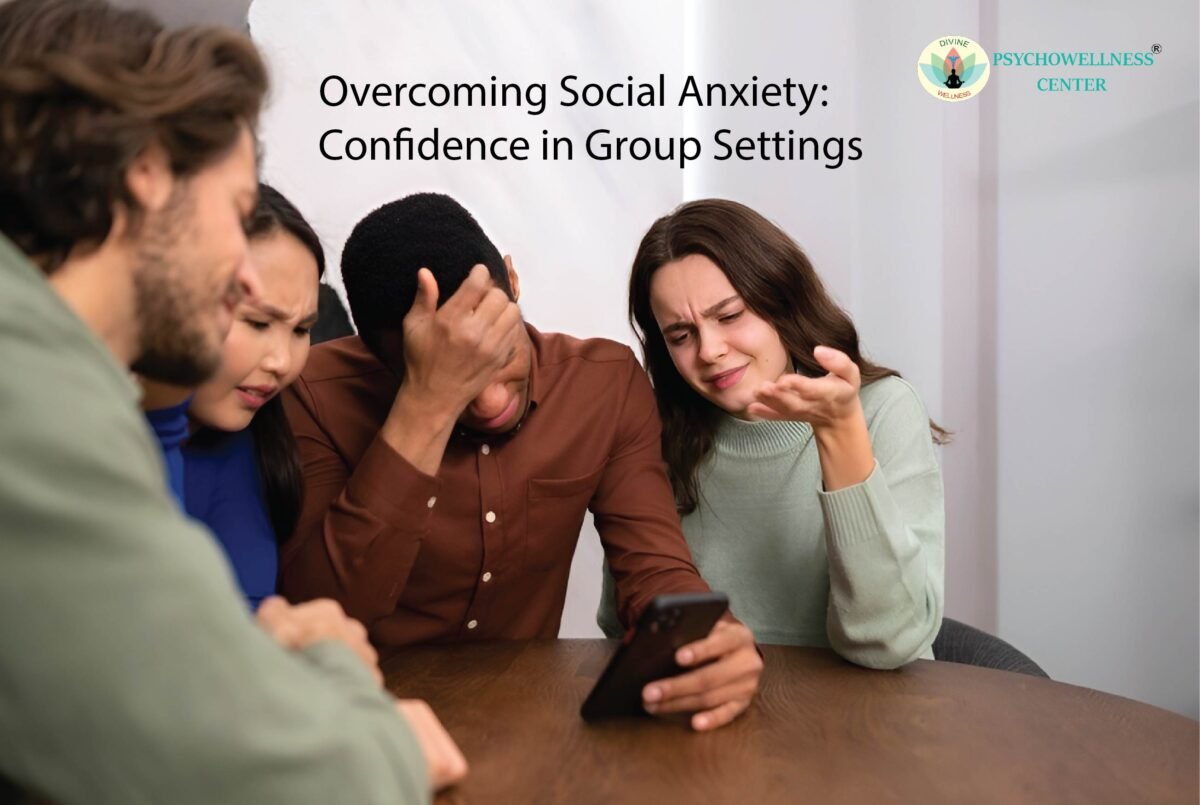
Feeling nervous in group situations is more common than most people realise. Whether you’re attending a meeting, joining a social gathering, or simply trying to speak up in a conversation, the discomfort can feel overwhelming. Rising stress, persistent anxiety, and constant self-doubt often make these situations harder than they need to be. But with understanding, patience, and the right strategies, building confidence in group settings becomes absolutely achievable.
For many individuals, social anxiety is connected to deeper emotional experiences. Sometimes it exists alongside depression, unresolved trauma, or lingering insecurities from past events. These emotional layers can make even simple interactions feel exhausting. When you understand how these internal experiences affect your reactions, you gain the clarity needed to begin healing and moving forward.
Understanding Where Social Anxiety Comes From
People who struggle in group settings often develop patterns to protect themselves—avoiding conversations, staying quiet during discussions, or declining invitations. While these habits may offer temporary relief, they can make long-term anxiety worse. Difficulties with stress management, ongoing fatigue, or a sense of low motivation can intensify the urge to withdraw.
For others, challenges may stem from emotional endurance. Life events that tested their resilience—family conflicts, workplace challenges, or social setbacks—might have shaped their fear of speaking up. Extended social isolation can make returning to social environments even more intimidating. The pressure to fit in, or the constant fear of missing out, may also heighten stress and self-criticism. Our increasingly connected world adds another layer to this struggle. Seeing curated social lives online can make individuals feel inadequate or out of place, further reducing confidence in real-life interactions.
How Social Anxiety Affects Daily Life
Social anxiety doesn’t just surface during parties or group conversations. Its effects often seep into many parts of life. For some, it impacts work—leading to career issues such as avoiding presentations, declining leadership roles, or feeling overlooked because speaking up feels too frightening.
The body often participates in this struggle too. Headaches, muscle tension, or exhaustion can accompany anxiety, and for individuals dealing with conditions like chronic pain, social stress can intensify physical discomfort.
Past emotional experiences also matter. People who have endured emotional abuse, harsh criticism, or constant invalidation may carry deep-seated fears that surface during group interactions. Over time, these experiences can contribute to panic attacks, sometimes developing into panic disorder, or result in a specific phobia related to social situations.
These challenges can also affect personal connections. Difficulty engaging socially may strain a relationship, create misunderstandings, or lead to feelings of disconnection. Over time, this can impact overall well-being and sense of belonging.
Building Confidence in Group Settings
Overcoming social anxiety does not mean becoming an extrovert or changing your personality. It means learning how to feel safe, connected, and grounded around others. Confidence grows through consistent, manageable steps.
- Start Small with Gradual Exposure:- Begin with small conversations or short interactions. As you build confidence, gradually expand your comfort zone. Each small success trains your brain to feel safer during future interactions.
- Develop Self-Awareness:- Pay attention to your thoughts and physical reactions during social situations. Recognising patterns—like overthinking or self-judgment—gives you the power to interrupt them. Self-awareness becomes a stepping stone toward emotional control.
- Focus on Progress, Not Perfection:- Many people believe they must be flawless in group settings. Instead, shift your mindset toward growth. Embracing self-improvement helps replace pressure with possibility, making each interaction a learning opportunity rather than a test.
- Build Supportive Environments:- Whether at home or in the workplace, surrounding yourself with supportive people makes a meaningful difference. Safe environments allow you to practice communication without fear of being judged.
- Reconnect With Your Body:- Social anxiety often shows up physically—tightness in the shoulders, trembling, or rapid breathing. Mindfulness practices can help calm your body and increase confidence. Improving your body image and body awareness can also strengthen self-esteem and reduce social fear.
- Prioritise Your Overall Well-Being:- Your mental and physical worlds are deeply connected. When you take care of your physical health through good sleep, movement, and nutrition, your mind becomes better equipped to handle emotional challenges. A strong body supports a strong sense of self.
Why It’s Worth Working Through Social Anxiety
Building confidence in group settings can transform your life. It opens doors to new opportunities, deeper relationships, and more fulfilling experiences. When you no longer let fear dictate your actions, you gain freedom—freedom to connect, express, participate, and enjoy. It’s important to remember that the process takes time. Being kind to yourself throughout the journey makes the path smoother and more sustainable.
Conclusion: Seeking Support When You Need It
If social anxiety is significantly affecting your life, reaching out for help can be incredibly empowering. Professional therapy offers tools and insights that help you understand your emotional patterns and rebuild confidence. A therapist can guide you through techniques tailored to your experiences and goals.
Many people also benefit from a counselling centre near me, which provides a safe space to explore emotions, fears, and personal challenges. A compassionate counsellor near me can support you in your journey toward social comfort and self-expression. And for those who prefer convenience or privacy, online counselling offers flexible access to professional support from the comfort of home.
The Psychowellness Centre offers compassionate psychotherapy for individuals seeking the best psychologist near me, with a strong focus on overcoming social anxiety, fostering confidence in group interactions, and supporting long-term emotional well-being and self-growth. For confidential support, individuals may contact (+91 78272 08707) or (+91 11 4707 9079) to take proactive steps toward emotional health, resilience, and meaningful human connection. Overcoming social anxiety is entirely possible—with understanding, courage, and the right support, you can learn to navigate group settings with ease, confidence, and genuine connection.
Explore more – https://youtu.be/AW9q0RMUGOQ?si=ownpJa_gKfxd2Cct
https://youtu.be/voF-_PnZjBg?si=Jtr4BuBPNT0JwpJZ
https://youtube.com/shorts/bZNqhchZJmU?si=I-CSUoQgNH3_-FFO
https://youtube.com/shorts/NbYQ9DbYYhA?si=CFwdPzmvHCizto0q
Contribution: Dr. R.K. Suri, Clinical Psychologist, and Ms. Drishti Rajore, Counselling Psychologist
References
- American Psychological Association. (2023). Anxiety.
https://www.apa.org/topics/anxiety
- American Psychiatric Association. (2022). What are anxiety disorders?
https://www.psychiatry.org/patients-families/anxiety-disorders/what-are-anxiety-disorders
- Mayo Clinic. (2023). Social anxiety disorder (social phobia) – Symptoms and causes.
https://www.mayoclinic.org/diseases-conditions/social-anxiety-disorder/symptoms-causes/syc-20353561