
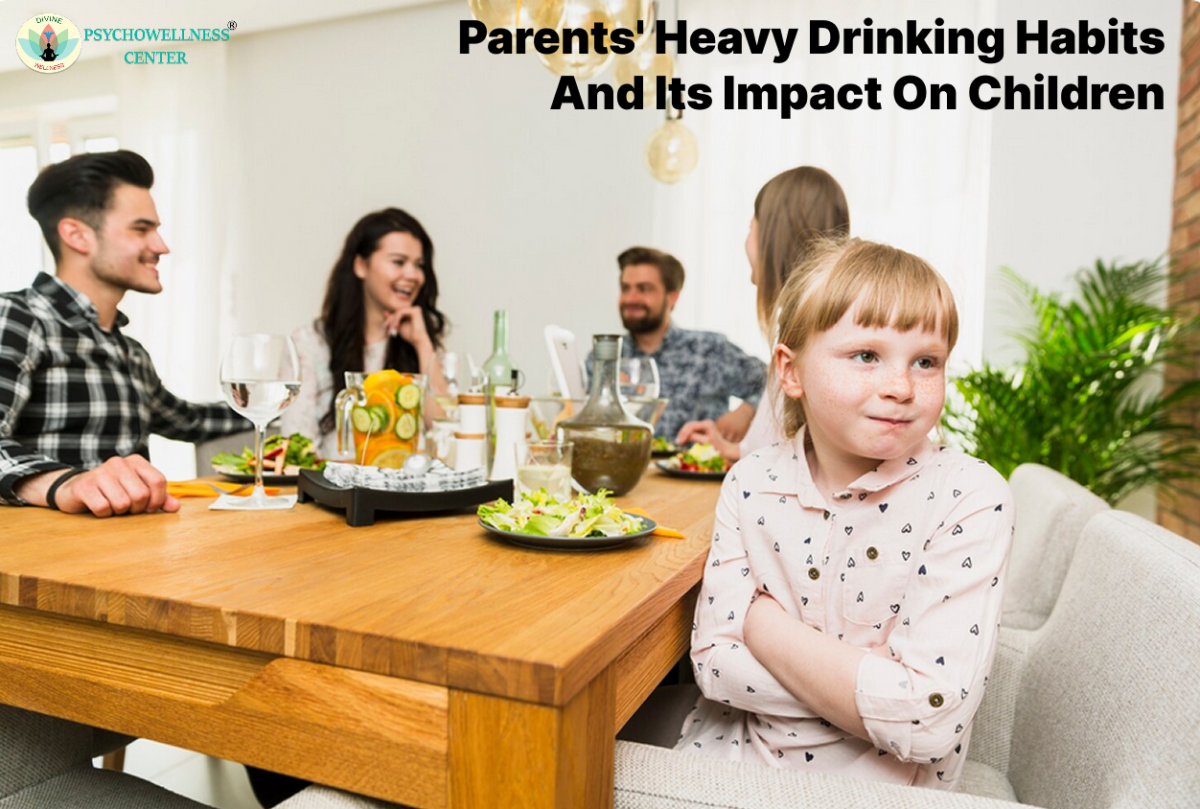
Alcohol consumption is often portrayed as a social or recreational activity, but when drinking becomes frequent, excessive, or emotionally driven, it can significantly impact family dynamics especially children. Parents’ heavy drinking habits are one of the most common yet underestimated contributors to emotional, psychological, and behavioral challenges in children. Whether the drinking occurs openly or in secrecy, children are acutely sensitive to changes in parental behavior, emotional expression, and household stability. Over time, this environment can shape their mental health, coping patterns, and future relationships.
Understanding how parental alcohol misuse affects children is essential for recognizing early warning signs, breaking generational cycles, and promoting healthier family functioning.
The Hidden Burden Children Carry
Children of heavy-drinking parents often grow up in environments marked by inconsistency, emotional unpredictability, and instability. Young children may not fully understand why a parent’s behavior changes after drinking why they become distant, irritable, overly emotional, or unavailable. However, they internalize these experiences deeply.
Psychologists note that children tend to interpret parental behavior as a reflection of themselves. When parents are emotionally absent or inconsistent due to alcohol use, children may blame themselves, believing they are unworthy of attention or affection.
Common emotional impacts include:
- Chronic worry and fear about a parent’s safety or behavior
- Confusion due to inconsistent rules or unpredictable moods
- Loneliness or emotional neglect
- A sense of responsibility to protect siblings or manage household duties
These internal conflicts shape a child’s worldview and emotional development.
Emotional and Psychological Effects
Children living with heavy-drinking parents often experience significant emotional turmoil. The effects can manifest in both short-term behavioral issues and long-term psychological vulnerabilities.
1. Anxiety and Hypervigilance
A household influenced by alcohol misuse can become unpredictable, arguments may arise, routines may be disrupted, and emotional boundaries often blur. Children may develop hypervigilance, constantly assessing their environment to anticipate conflict or emotional shifts.
This chronic state of alertness can lead to:
- Sleep disturbances
- Social withdrawal
- Difficulty concentrating
- Generalized anxiety disorders later in life
2. Depression and Low Self-Worth
Parental alcohol misuse is strongly associated with emotional neglect. When parents are preoccupied with drinking or its aftereffects (hangovers, shame, emotional withdrawal), children may feel invisible or unloved. Over time, this leads to:
- Persistent sadness
- Feelings of loneliness
- Low self-esteem
- A sense of inadequacy
These children may internalize the belief that they must earn love or attention, shaping insecure attachment patterns in adulthood.
3. Behavioral Issues
Some children act out as a way of expressing their distress. These behaviors often include:
- Aggression
- Defiance
- Poor academic performance
- Risk-taking behaviors
- Attention-seeking
Others may become unusually mature or responsible, taking on adult-like roles to compensate for parental absence. This phenomenon, known as parentification, places emotional and psychological burdens far beyond their age.
Impact on Social Development
Children raised by heavy-drinking parents may struggle in social environments. They often have difficulty forming trusting relationships because their primary emotional connections have been unreliable.
Common social challenges include:
- Difficulty making or keeping friends
- Trust issues
- Fear of intimacy
- Avoidance of emotional expression
Many children worry that peers will discover their family problems, leading them to isolate themselves or hide their emotions.
The Risk of Intergenerational Addiction
One of the most concerning effects is the increased likelihood of future substance use disorders among children of heavy drinkers. Studies show that these children are at a higher risk of:
- Early experimentation with alcohol
- Using substances to cope with stress
- Developing addiction as adults
Genetics also play a role, but environmental factors such as exposure to unhealthy coping behaviors, emotional neglect, and chaotic home life significantly influence outcomes.
Academic and Cognitive Impact
The stress of living with a parent who drinks heavily can impair a child’s cognitive functions. Stress hormones such as cortisol can affect learning, memory, and emotional regulation.
Consequences may include:
- Poor academic performance
- Difficulty concentrating
- Reduced problem-solving abilities
- Low motivation
Children may struggle to complete homework or focus in school because their emotional energy is spent coping with uncertainty at home.
How Parents’ Drinking Affects Parenting Style
Alcohol misuse affects a parent’s ability to provide consistent, nurturing, and safe care. The parenting style may shift depending on intoxication levels, emotional state, or guilt.
Common parenting patterns seen in heavy drinkers include:
1. Emotional Unavailability
Parents may be physically present but emotionally distant, leading to feelings of abandonment.
2. Harsh or Erratic Discipline
Intoxication can result in inconsistent rules, sudden anger, or increased irritability.
3. Overly Permissive Behavior
Some parents may compensate for their drinking by becoming overly lenient or indulgent.
4. Neglectful Parenting
Basic needs (meals, hygiene, supervision, emotional comfort) may be overlooked.
These styles disrupt a child’s sense of safety and boundaries.
How to Break the Cycle and Support Children
Healing begins with acknowledging the problem and taking proactive steps to create a safer emotional environment.
1. Seek Professional Help
Therapists, counselors, or addiction specialists can support both the parent and child.
Family therapy helps restore communication and rebuild trust.
2. Provide Emotional Reassurance
Children need consistent messages that:
- The parent’s drinking is not their fault
- They are loved and valued
- Their feelings are valid
Emotional security is key to healing.
3. Build Healthy Routines
Stable routines around meals, sleep, school, and play restore a sense of predictability and safety.
4. Engage Support Systems
Extended family, teachers, and community programs can provide emotional and practical support.
5. Encourage Healthy Expression
Children benefit from:
- Art therapy
- Journaling
- Play therapy
- Support groups for children of alcoholics
These outlets help them process emotions safely.
Conclusion
Parents’ heavy drinking habits do not occur in isolation; they deeply affect the emotional, psychological, and social lives of children. Growing up in such an environment creates internalized stress, confusion, and emotional wounds that can last well into adulthood. However, with awareness, early intervention, and a supportive environment, children can heal and thrive. Breaking the cycle requires compassion, professional help, and consistent emotional presence from caregivers. Every step taken toward sobriety and emotional stability is a step toward building a safer future for the entire family.
Parents’ heavy drinking habits can leave lasting emotional and psychological imprints on children, affecting their sense of safety, self-worth, and future relationships. However, with timely awareness and professional support, healing is possible for both parents and children. Mental health services such as Psychowellness Center in Dwarka Sector-17 and Janakpuri (011-47039812 / 7827208707) offer child counselling, family therapy, addiction counselling, CBT, and trauma-informed therapy to help families rebuild stability and trust. Online platforms like TalktoAngel also provide accessible therapy support for emotional regulation, anxiety, depression, and family-related concerns. Seeking help is not a sign of failure, it is a powerful step toward breaking generational cycles and creating a healthier, emotionally secure future for children and families.
Contribution: Dr. R.K. Suri, Clinical Psychologist, and Ms. Tanu Sangwan, Counselling Psychologist
References
Anda, R. F., Whitfield, C. L., Felitti, V. J., Chapman, D., Edwards, V. J., Dube, S. R., & Williamson, D. F. (2002). Adverse childhood experiences, alcoholic parents, and later risk of alcoholism and depression. Psychiatry Services, 53(8), 1001–1009.
Kelley, M. L., Klostermann, K., Doane, A. N., & Mignone, T. (2010). The effects of alcohol consumption on parenting. Handbook of Parenting and Child Development Across the Lifespan, 219–239.
Ross, C., & Hill, E. (2020). Children of alcoholics: Impact on developmental outcomes. Journal of Child and Family Studies, 29(2), 327–338.
Smith, J. W., & Randall, C. L. (2012). Anxiety and depression in children of alcoholics. Journal of Studies on Alcohol and Drugs, 73(4), 567–577.
Substance Abuse and Mental Health Services Administration. (2021). The impact of parental addiction on children. U.S. Department of Health & Human Services.
https://www.psychowellnesscenter.com/Blog/professional-tips-for-dealing-with-an-alcoholic-parent/
https://www.psychowellnesscenter.com/Blog/best-child-psychologist-in-delhi-cantt/
https://www.psychowellnesscenter.com/Blog/best-child-psychologist-in-sonipat-haryana/
https://www.psychowellnesscenter.com/Blog/alertness-is-solution-to-acknowledge-your-kids-problems/
https://www.psychowellnesscenter.com/Blog/the-best-child-psychologist-in-east-delhi/
https://www.psychowellnesscenter.com/Blog/best-child-psychologist-in-rohtak-haryana/
https://www.psychowellnesscenter.com/Blog/maintaining-an-emotional-bond-with-your-child/