
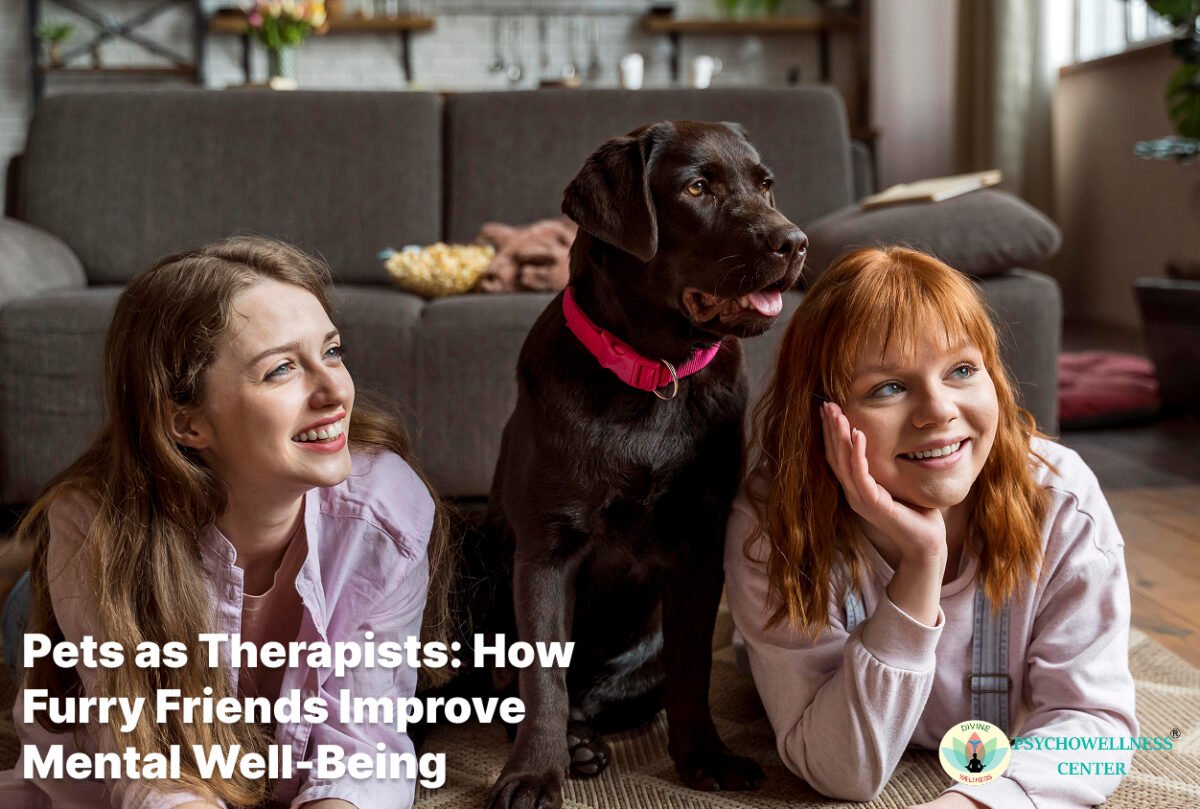
It’s an experience millions of people share: returning home after a long, stressful day only to be met by a wagging tail or a soft, demanding purr. In that instant, the weight on your shoulders seems to lift. This isn’t just a happy coincidence—it’s the therapeutic effect of the human-animal bond, and modern research is increasingly proving that our furry, scaled, and feathered companions are, in many ways, natural, intuitive therapists.
Beyond just offering simple companionship, pets facilitate profound and measurable improvements in our mental well-being. They don’t require co-pays, they offer 24/7 non-judgmental support, and they possess an innate ability to stabilise our mood and physiology.
The Chemical Calm: Pets as Bio-Regulators
The most immediate and scientific benefit of interacting with pets happens at a biochemical level. When you gently stroke a cat or play fetch with a dog, your brain initiates a cascade of positive chemical changes:
- The Oxytocin Surge: Physical interaction with a pet—whether it’s petting, cuddling, or even just gazing into their eyes—triggers the release of oxytocin, often called the “love hormone.” This is the same hormone released during parent-child bonding, promoting feelings of trust, comfort, and attachment. This rush of oxytocin directly combats feelings of social isolation and loneliness, creating a powerful sense of connection.
- Cortisol Reduction: Simultaneously, the body’s primary stress hormone, cortisol, drops significantly. Lower cortisol levels mean a reduction in physical tension, a lower heart rate, and an overall feeling of calm. For those struggling with generalised anxiety, this rapid physiological de-escalation is a powerful, drug-free intervention.
- The Happy Hormones: Interaction also elevates levels of serotonin and dopamine—neurotransmitters associated with feelings of happiness, pleasure, and reward. This natural mood boost serves as an effective, daily antidote to the emotional stagnation often experienced during depression.
In essence, pets are masters of chemical alchemy, shifting our biological state from one of alert stress to one of quiet security.
Creating Structure and Stability in a Chaotic World
The modern world is characterised by fluidity and often a lack of clear routine, which can be disorienting and fuel self-doubt. Pets fundamentally disrupt this chaos by demanding consistency, adding a critical layer of structure to their owners’ lives.
- Routine as a Grounding Force: Feeding times, walks, and grooming sessions all require adherence to a schedule. This responsibility is particularly beneficial for individuals managing conditions like ADHD or mood disorders, where external structure can be a powerful grounding force. This predictable daily rhythm contributes directly to a better work-life balance, forcing necessary breaks from screens and work-related stress.
- A Purposeful Existence: Caring for another living creature provides a powerful sense of purpose. It shifts the focus away from one’s own internal struggles and toward the immediate needs of the pet. For those dealing with the numbness of depression, feeling “needed” can be a powerful motivator for self-care, as pet care and self-care become inextricably linked.
Unconditional Acceptance and Building Resilience
One of the most profound therapeutic effects of pets is their unconditional love and non-judgmental presence.
- A Safe Confidant: A pet will never criticise your mistakes, challenge your emotions, or betray a confidence. This Psychological Safety allows owners to process difficult thoughts and feelings aloud—using the pet as a silent, accepting sounding board. This non-judgmental acceptance is a balm for high Self-Doubt and feelings of inadequacy.
- Social Catalyst: Particularly for dog owners, pets are natural social bridges. A simple walk often leads to casual interactions with neighbours or other pet owners. For individuals struggling with social Anxiety or social isolation, the pet acts as a friendly, neutral intermediary, helping to forge new Community connections and gradually build confidence.
- Teaching Empathy and Resilience: Learning to read a pet’s subtle cues a flick of the tail, a flattened ear, a quiet meow, cultivates Empathy. Furthermore, managing a pet’s illness or dealing with the eventual loss of a pet is an exercise in processing grief and building Resilience, skills that translate directly into managing life’s other setbacks.
Conclusion
Our furry, feathered, and even scaled companions are far more than comforting presences—they are powerful partners in nurturing emotional balance and psychological well-being. Through simple interactions like petting, playing, or even sharing quiet company, pets help regulate stress hormones, reduce anxiety, and foster deeper feelings of connection. Their predictable routines offer structure, their affection provides emotional grounding, and their presence encourages Mindfulness in ways that feel natural and effortless.
Yet, while pets offer invaluable emotional support, they are not a substitute for professional mental-health care. Combining the healing presence of animals with expert guidance can significantly amplify overall well-being. The Psychowellness Center, located in Dwarka Sector-17 and Janakpuri, New Delhi (011-47039812 / 7827208707), provides specialised emotional-wellness services where trained professionals—including some of the best psychologists near me—use evidence-based approaches such as CBT, REBT, Behavioural Therapy, and Mindfulness-Based Therapy to help individuals manage stress, build resilience, and strengthen emotional health. Additionally, TalktoAngel offers accessible virtual counselling and strength-based online therapy, ensuring that individuals and families receive holistic support that complements the therapeutic benefits pets naturally provide.
With the combined support of compassionate pets and skilled mental-health professionals, you can cultivate a stronger, calmer, and more emotionally enriched life one wag, purr, or chirp at a time.
Contribution: Dr. R.K. Suri, Clinical Psychologist, and Ms. Swati Yadav, Counselling Psychologist
References
- Beetz, A., Uvnäs-Moberg, K., Julius, H., & Kotrschal, K. (2012). Psychosocial and psychophysiological effects of human-animal interactions: the state of the evidence. Frontiers in Psychology, 3, 234.
- McConnell, A. R., Brown, C. M., Shoda, T. M., Stayton, L. E., & Martin, C. E. (2011). Friends with benefits: on the positive consequences of pet ownership. Journal of Personality and Social Psychology, 101(6), 1239–1252.
- Allen, K. M. (2003). Are pets a healthy pleasure? The influence of pets on blood pressure. Current Directions in Psychological Science, 12(1), 23–27.
- Wells, D. L. (2009). The effects of animals on human health and well-being. Journal of Social Issues, 65(3), 523-543.
- https://www.psychowellnesscenter.com/Blog/best-counselling-psychologist-in-dwarka-sector-12-dwarka-delhi/
- https://www.psychowellnesscenter.com/Blog/best-occupational-therapist-in-dwarka-sector-10-dwarka-delhi/
- https://www.psychowellnesscenter.com/Blog/best-occupational-therapist-in-dwarka-sector-10-dwarka-delhi/
- https://www.psychowellnesscenter.com/Blog/why-you-should-opt-online-counselling-and-therapy/
- https://www.psychowellnesscenter.com/Blog/top-and-leading-psychologists-in-dwarka-delhi/
- https://www.talktoangel.com/blog/mental-health-services-for-student-wellness-centers
- https://www.psychowellnesscenter.com/Blog/why-play-therapy-is-important-for-your-child/
- https://www.psychowellnesscenter.com/Blog/coping-with-mental-health-issues/
- https://www.psychowellnesscenter.com/Blog/mental-health-interventions-for-teens-with-developmental-delays/
- https://www.psychowellnesscenter.com/best-psychologist-near-me/delhi-ncr/
- https://www.psychowellnesscenter.com/Blog/behavioural-challenges-in-children-and-adolescents/
- https://thepsychowellness.com/top-occupational-therapists-in-uttam-nagar-delhi/