
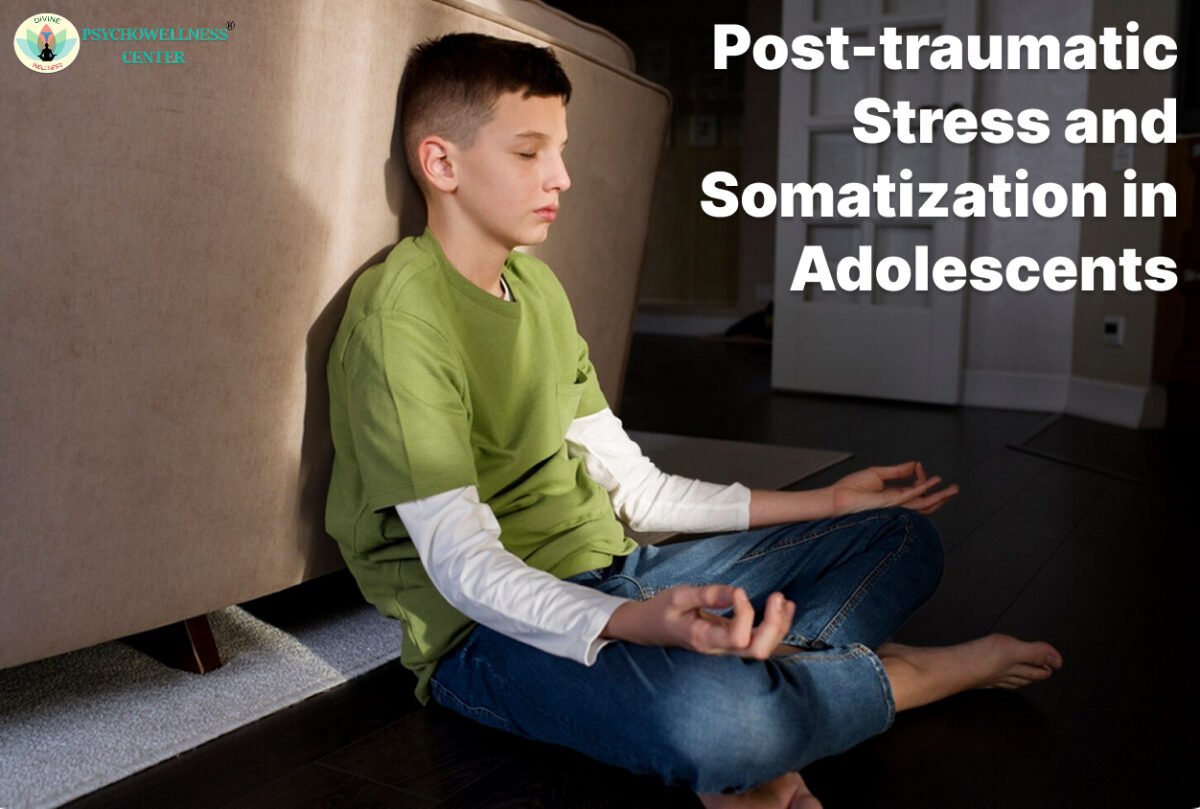
Adolescence is a critical developmental period marked by emotional growth, identity formation, and increasing social awareness. When traumatic experiences occur during this sensitive stage, they can profoundly disrupt psychological and physiological well-being. Two closely interconnected outcomes of trauma in adolescents are Post-Traumatic Stress Disorder (PTSD) and somatisation. While PTSD is commonly associated with emotional and cognitive symptoms, somatisation reflects how unresolved psychological distress manifests as physical complaints. Understanding the relationship between post-traumatic stress and somatic symptoms is essential for early intervention, emotional regulation, and long-term mental health.
Understanding Trauma and PTSD in Adolescents
Trauma refers to exposure to events that overwhelm an individual’s ability to cope, such as physical or emotional abuse, neglect, bullying, domestic violence, accidents, natural disasters, or sudden loss. Adolescents are particularly vulnerable to trauma due to ongoing brain development, heightened emotional reactivity, and limited coping resources.
Post-Traumatic Stress Disorder (PTSD) in adolescents is characterised by symptoms such as intrusive memories, nightmares, flashbacks, avoidance of trauma-related reminders, emotional numbing, negative alterations in mood, and heightened physiological arousal. Unlike adults, adolescents may struggle to verbalise distress and instead exhibit behavioural changes such as irritability, withdrawal, academic decline, or risk-taking behaviours. These symptoms can significantly impair emotional regulation, interpersonal relationships, and self-esteem.
What Is Somatization?
Somatisation refers to the expression of psychological distress through physical symptoms that medical conditions cannot fully explain. Common somatic complaints in adolescents include headaches, stomach pain, fatigue, dizziness, muscle aches, nausea, and sleep disturbances. These symptoms are real and distressing, even though their primary origin is psychological rather than physiological.
In adolescents with trauma histories, somatisation often serves as a non-verbal language of emotional pain. When emotions such as fear, shame, grief, or anger are suppressed or unprocessed, the body becomes the primary outlet for distress. From a psychological perspective, somatisation reflects disrupted mind–body integration and heightened sensitivity of the stress response system.
The Link Between PTSD and Somatisation
Research consistently highlights a strong association between post-traumatic stress symptoms and somatic complaints in adolescents. Trauma activates the brain’s threat-detection system, particularly the amygdala, leading to persistent hyperarousal. This heightened state of alertness affects the autonomic nervous system, increasing muscle tension, gastrointestinal sensitivity, and pain perception.
Adolescents with PTSD may also experience alexithymia, a difficulty in identifying and expressing emotions. When emotional awareness is limited, distress is more likely to be communicated through physical symptoms. Additionally, trauma disrupts the hypothalamic–pituitary–adrenal (HPA) axis, contributing to chronic stress, inflammation, and bodily discomfort. Over time, repeated activation of stress pathways can reinforce somatic symptom patterns, making physical pain a recurring response to emotional triggers.
Psychological and Emotional Impact
The coexistence of PTSD and somatization can significantly affect an adolescent’s quality of life. Persistent physical symptoms often lead to frequent medical visits, academic absenteeism, and reduced participation in social activities. When medical investigations fail to identify a clear cause, adolescents may feel misunderstood or invalidated, increasing emotional distress and anxiety.
Emotionally, these adolescents may struggle with health anxiety, fear of serious illness, and a sense of loss of control over their bodies. The constant focus on physical discomfort can further reinforce avoidance behaviours, social withdrawal, and depressive symptoms. Without appropriate psychological support, this cycle can continue into adulthood, increasing vulnerability to chronic pain conditions and mood disorders.
Developmental and Social Factors
Several developmental and social factors influence how trauma and somatization manifest in adolescents. Family dynamics, attachment patterns, and parental responses to distress play a crucial role. Adolescents raised in environments where emotional expression is discouraged may be more prone to somatic expression of distress.
Peer relationships and social stressors also contribute to symptom maintenance. Bullying, social rejection, or academic pressure can exacerbate both PTSD symptoms and somatic complaints. Cultural beliefs about mental health may further influence whether adolescents feel safe expressing emotional pain or resort to physical symptoms as a socially acceptable form of distress.
Assessment and Diagnosis
Accurate assessment of post-traumatic stress and somatization requires a comprehensive, trauma-informed approach. Mental health professionals evaluate trauma history, emotional symptoms, behavioural changes, and physical complaints while ruling out medical conditions. Psychological assessment tools, clinical interviews, and collaboration with paediatricians help ensure an integrated understanding of the adolescent’s experience.
Importantly, validating the adolescent’s physical symptoms is essential. Dismissing somatic complaints as “imaginary” can increase shame and resistance to treatment. A compassionate, biopsychosocial framework recognises that physical symptoms are genuine expressions of psychological distress.
Therapeutic Approaches and Intervention
Effective treatment focuses on addressing both trauma-related stress and somatic symptoms. Trauma-Focused Therapy, Cognitive Behavioural Therapy (TFT-CBT) is widely used to help adolescents process traumatic memories, challenge maladaptive beliefs, and develop healthy coping strategies. By improving emotional awareness and cognitive processing, TF-CBT reduces both PTSD symptoms and somatic distress.
- Mindfulness-based interventions enhance body awareness and emotional regulation, helping adolescents notice physical sensations without catastrophic interpretation. Somatic therapies, such as body-oriented psychotherapy, focus on releasing stored trauma through gentle physical awareness and grounding techniques.
- Emotion-Focused Therapy (EFT) supports adolescents in identifying, expressing, and regulating emotions that may be driving somatic symptoms. Family therapy may also be beneficial, fostering supportive communication and reducing reinforcement of illness behaviours.
Long-Term Outcomes and Prevention
Early intervention significantly improves outcomes for adolescents experiencing post-traumatic stress and somatisation. With appropriate counselling, adolescents can develop resilience, improve mind–body integration, and regain a sense of control over their emotional and physical experiences. Prevention efforts include trauma-informed school environments, mental health education, and early screening for stress-related symptoms.
Conclusion
Post-traumatic stress and somatisation in adolescents represent interconnected expressions of unresolved trauma. When emotional pain cannot be safely processed, it often manifests through physical symptoms, placing the burden on the body. Recognising this mind–body connection is essential for accurate diagnosis, compassionate care, and effective intervention. Through trauma-informed counselling, emotional regulation strategies, and supportive environments, adolescents can heal from trauma, reduce somatic distress, and move toward healthier psychological development. Healing often begins with awareness, but meaningful recovery is strengthened through professional mental health support. Mental health centres such as The Psychowellness Center, located in Dwarka Sector-17 and Janakpuri, New Delhi (Contact: 011-47039812 / 7827208707), offer specialised therapeutic care for adolescents and families, addressing trauma-related emotional and somatic concerns through personalised counselling approaches. Additionally, for those searching for the best psychologist near me or seeking flexible access to care, TalktoAngel, a leading online counselling platform, connects individuals with experienced psychologists who support adolescents in trauma recovery, emotional regulation, stress management, and long-term resilience. Addressing both the emotional and physical dimensions of trauma ensures not only symptom relief but also sustained emotional well-being and adaptive growth.
Contribution: Dr. R.K. Suri, Clinical Psychologist, and Ms. Mansi, Counselling Psychologist
References
- American Psychiatric Association. (2022). Diagnostic and statistical manual of mental disorders (5th ed., text rev.; DSM-5-TR). American Psychiatric Publishing.
- van der Kolk, B. A. (2014). The body keeps the score: Brain, mind, and body in the healing of trauma. Viking.
- Nijenhuis, E. R. S., van der Hart, O., & Steele, K. (2004). Trauma-related structural dissociation of the personality. Journal of Trauma & Dissociation, 5(1), 5–45. https://doi.org/10.1300/J229v05n01_02