
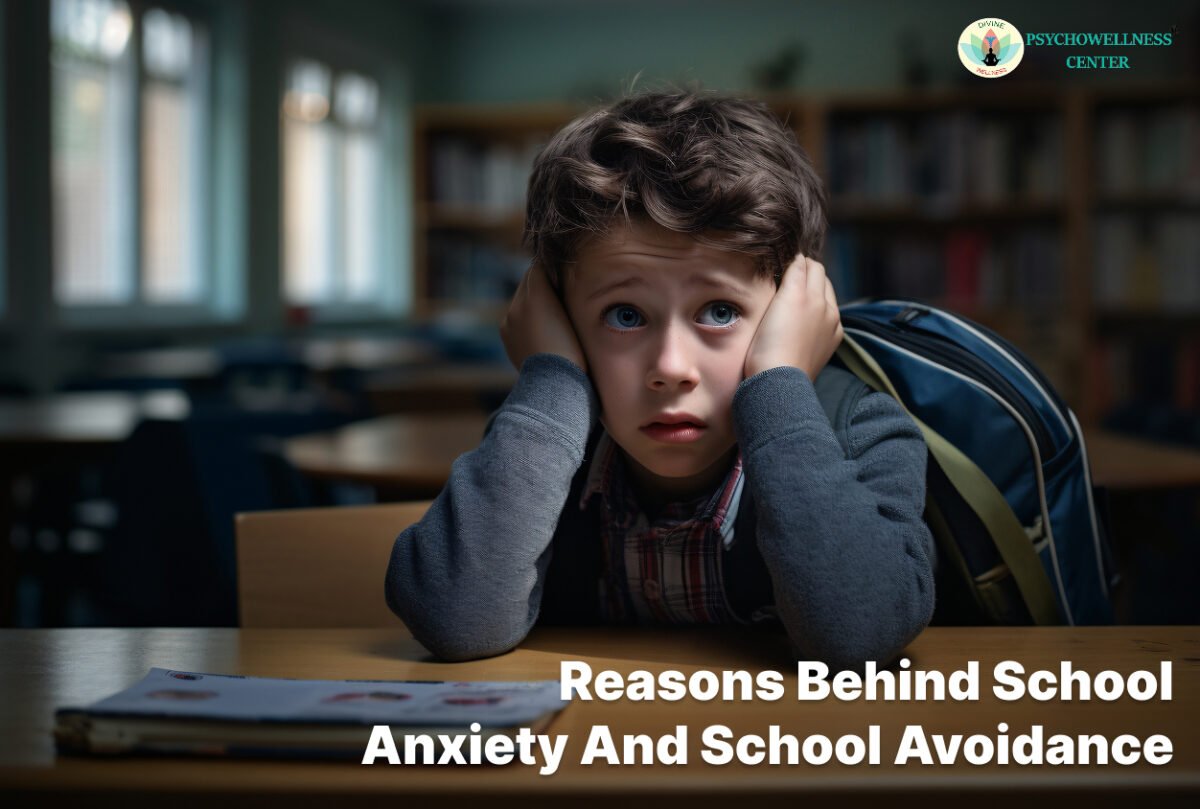
School anxiety and school avoidance are becoming increasingly recognized as significant challenges affecting students of all ages. While it’s normal for children and teenagers to occasionally experience stress related to school, persistent anxiety and avoidance can lead to academic, social, and emotional difficulties. School anxiety is more than just feeling nervous about tests or school presentations; it involves deep feelings of fear and unease that can cause students to avoid attending school altogether. When left unaddressed, these issues can have long-lasting effects on a student’s educational and personal development.
In this blog, we will explore the underlying causes of school anxiety and avoidance, including factors. Additionally, we will look at how self-improvement techniques and supportive parenting can help alleviate school-related stress and build resilience.
What is School Anxiety and School Avoidance?
School anxiety refers to a general sense of fear or nervousness about school, which can manifest in various ways, such as excessive worry about academic pressure, social anxiety or being away from home. On the other hand, school avoidance occurs when students go beyond typical anxiety and actively avoid going to school, often engaging in behaviors such as faking illness, skipping school, or staying home without legitimate reasons. This pattern of avoidance may become chronic, leading to long-term consequences in a child’s social and academic development.
School anxiety and avoidance can manifest in various ways, including:
- Physical symptoms: Headaches, stomachaches, nausea, or difficulty sleeping.
- Behavioral symptoms: Frequent school absences, procrastination, or withdrawal from school-related activities.
- Emotional symptoms: Excessive worry, fear, irritability, or panic attacks related to school attendance or performance.
The reasons behind school anxiety and avoidance are complex and multifactorial, often involving a combination of psychological, social, and environmental factors.
Common Causes of School Anxiety and School Avoidance
Several factors can contribute to school anxiety and avoidance. These include emotional issues, academic pressures, parenting styles, and neurodevelopmental conditions.
1. Stress and Pressure to Perform
One of the most common contributors to school anxiety is stress. In many educational systems, students are expected to meet high academic standards, which can lead to overwhelming pressure. This pressure can come from teachers, peers, or, more often than not, from parents who expect their children to succeed academically.
The pressure to perform can create anxiety around tests, assignments, and social comparisons. Students who struggle with perfectionism may fear failure, which can make them reluctant to attend school or participate in academic activities. For these students, the mere thought of facing an academic challenge can trigger physical and emotional stress, leading to school avoidance.
2. ADHD and Learning Disabilities
Children with Attention-Deficit/Hyperactivity Disorder (ADHD) or learning disabilities often experience significant difficulties in the school environment. ADHD can result in problems with focus, organization, and time management, making it hard for students to keep up with classroom expectations. The frustration of being unable to meet academic demands can lead to feelings of inadequacy, low self-esteem, and increased anxiety.
Similarly, children with learning disabilities (such as dyslexia or dyscalculia) may struggle to process information at the same pace as their peers, resulting in poor academic performance. Over time, these challenges can cause anxiety about school, leading to avoidance behaviors. If students perceive school as a place where they are constantly failing, they may begin to dread attending, which can escalate into school refusal.
3. Oppositional Defiant Disorder (ODD)
Oppositional Defiant Disorder (ODD) is a condition characterized by a pattern of angry, defiant, and argumentative behavior toward authority figures. Children with ODD may frequently resist school rules, argue with teachers, and challenge authority figures. This defiant behavior can stem from a need for control or difficulty managing frustration.
While ODD does not necessarily cause school anxiety directly, the friction created by defiance can lead to negative interactions with teachers, peers, and other students. This, in turn, can exacerbate feelings of anxiety, particularly in environments that demand conformity, such as schools. The repeated conflict and negative experiences at school can cause students to avoid school altogether to escape stress and emotional discomfort.
4. Parenting Styles
The way parents approach their child’s education and emotional well-being can also significantly impact the development of school anxiety. Overly strict or controlling parenting styles can increase stress levels, especially if children are not allowed to make mistakes or experience failure. A lack of autonomy can contribute to feelings of helplessness and low self-esteem, which can manifest as school anxiety.
Conversely, overly lenient parenting, where boundaries and expectations are unclear, can contribute to low motivation and difficulty managing responsibilities. This lack of structure can lead to anxiety around school performance, especially if the child feels unprepared or unsupported.
Parenting that lacks emotional support and communication can also lead to isolation. Children who do not feel emotionally supported may struggle to express their fears or anxieties about school, contributing to avoidance behaviors.
5. Social Anxiety and Bullying
Social interactions at school can be a major source of anxiety for some students, particularly those with social anxiety disorder. Fear of being judged or rejected by peers can make school a terrifying place. Students may worry excessively about being laughed at, making mistakes in front of others, or being excluded from social groups.
Bullying, whether verbal, physical, or online, is another major factor contributing to school anxiety and avoidance. Children who are victims of bullying may associate school with humiliation and fear, leading to a strong desire to avoid school altogether. The emotional trauma of being bullied can have long-term effects on a child’s self-esteem and mental health.
The Role of Therapy in Managing School Anxiety and Avoidance
Therapists and counselors play a crucial role in helping children and adolescents overcome school anxiety and avoidance. They work to identify the root causes of the anxiety and develop personalized strategies to address both the emotional and behavioral aspects of the issue.
1. Cognitive Behavioral Therapy (CBT)
Cognitive Behavioral Therapy (CBT) is one of the most effective therapeutic approaches for treating school anxiety. CBT helps students recognize and challenge negative thought patterns and replace them with healthier, more realistic thinking. Through CBT, children can learn to manage their anxiety, reduce irrational fears about school, and develop coping strategies to face challenging situations.
For example, a child who experiences fear of failure in school can be taught to identify and reframe the negative thoughts that contribute to their anxiety, such as “I will never be good enough” or “If I fail, everyone will laugh at me.” By addressing these cognitive distortions, CBT can help the child develop a more balanced and less anxiety-provoking perspective on school.
2. Exposure Therapy
Exposure therapy, often used as part of CBT, gradually exposes students to the situations they fear in a controlled and supportive manner. For students who avoid school due to social anxiety, exposure therapy might involve gradually increasing their comfort with social interactions, such as participating in group discussions or talking to peers.
By systematically confronting their fears in small, manageable steps, children and adolescents can learn to reduce their anxiety and improve their self-confidence in handling challenging situations.
3. Parenting Support and Family Therapy
Therapists can also work with parents to improve parenting strategies that contribute to school anxiety. Family therapy may be used to address communication issues, promote emotional support, and establish a structured yet nurturing environment. By fostering a positive and supportive home environment, parents can help reduce their child’s stress and encourage school attendance.
4. Therapy Services
Therapy services offer a convenient and accessible option for students and their families. Therapy can be particularly helpful for children or teenagers who experience anxiety around in-person appointments or have difficulty finding local support services.
Conclusion
School anxiety and avoidance are serious issues that can significantly impact a child’s academic and emotional well-being. The causes of school anxiety are multifaceted, involving a complex interaction of psychological, social, and environmental factors. Whether due to stress, ADHD, learning disabilities, parenting styles, or social challenges like bullying, these issues require a thoughtful and supportive approach to overcome.
Therapists and counselors can provide essential support by offering evidence-based treatments such as CBT and exposure therapy, which help children confront and manage their anxiety.
If school anxiety or school avoidance is affecting your child’s emotional well-being, academic performance, or daily functioning, seeking timely professional support can make a meaningful difference. Psychowellness Center, with experienced child psychologists and mental health professionals in Dwarka Sector-17 and Janakpuri, offers evidence-based therapies such as Cognitive Behavioral Therapy (CBT), exposure therapy, behavioral therapy, parent counseling, and family therapy to help children gradually overcome fear, build resilience, and regain confidence in school environments. Parents can connect with the Psychowellness Center team by calling 011-47039812 / 7827208707 for guidance and personalized care. Additionally, platforms like TalktoAngel provide accessible online therapy options, allowing children and adolescents to receive psychological support from the comfort of their homes. With the right therapeutic approach, emotional understanding, and consistent support, children can learn to manage school-related anxiety and move forward with confidence and emotional strength.
Contribution: Dr. R.K. Suri, Clinical Psychologist, and Ms. Sheetal, Counselling Psychologist
References
American Psychological Association. (2021). Anxiety in children and teens: Understanding and managing stress. https://www.apa.org/topics/anxiety
Barker, G. J., & Jaffee, S. R. (2019). Parenting and child mental health: The roles of parental anxiety and parenting styles. Journal of Child Psychology and Psychiatry, 60(5), 509-518. https://doi.org/10.1111/jcpp.13089
Levy, S. R., & Dean, S. M. (2018). ADHD and school anxiety: Understanding the challenges. Journal of Educational Psychology, 110(1), 12-23. https://doi.org/10.1037/edu0000273
Becker, S. P., Sidol, C. A., Fite, P. J., & Luebbe, A. M. (2020). Anxiety and school refusal in children with attention-deficit/hyperactivity disorder: The role of family functioning. Journal of Abnormal Child Psychology, 48(6), 809-820. https://doi.org/10.1007/s10802-019-00613-3
Carter, A. S., & Van Norman, R. (2020). Understanding school refusal in children with ADHD. Journal of Attention Disorders, 24(3), 379-389. https://doi.org/10.1177/1087054719865619
Davis, T. E., & Beidel, D. C. (2017). Treatment of childhood social anxiety disorder: A systematic review. Journal of the American Academy of Child & Adolescent Psychiatry, 56(4), 283-292. https://doi.org/10.1016/j.jaac.2017.01.021
Eisen, A. R., & Luby, J. L. (2016). School anxiety and avoidance in children: A clinical review. Journal of Clinical Child & Adolescent Psychology, 45(5), 626-637. https://doi.org/10.1080/15374416.2015.1056870
https://www.psychowellnesscenter.com/Blog/the-impact-of-school-anxiety-on-student-performance/
https://www.psychowellnesscenter.com/Blog/how-does-school-transition-affect-children-mental-health/
https://www.psychowellnesscenter.com/Blog/teenage-stress/
https://www.psychowellnesscenter.com/Blog/common-anxiety-symptoms-in-children/
https://www.psychowellnesscenter.com/Blog/helping-children-during-their-academic-difficulties/