
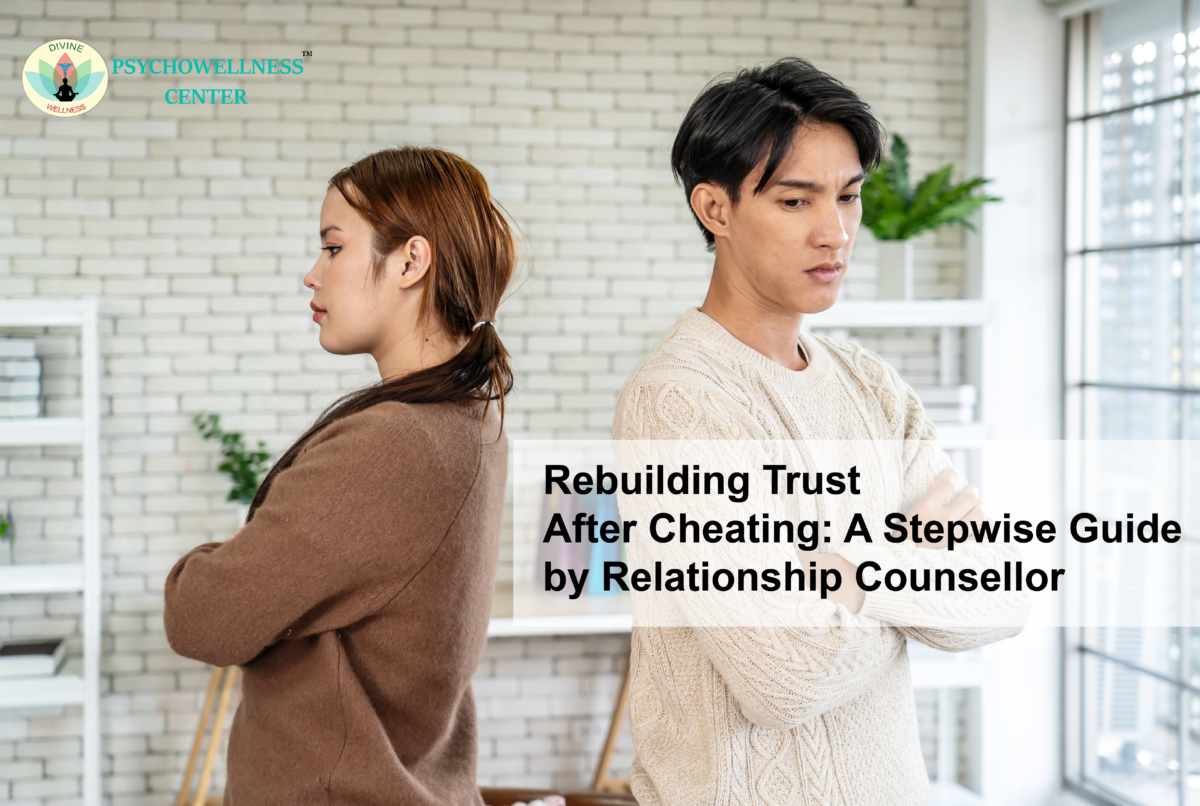
Discovering a partner’s betrayal can feel like the ground has suddenly disappeared beneath your feet. The emotional shock can disrupt your sense of safety, stability, and identity within the relationship. Many individuals describe it as one of the most painful experiences of their lives, often accompanied by confusion about whether to stay, leave, forgive, or fight for repair. Trust, once broken, does not automatically return with apologies or promises. It requires time, effort, and intentional rebuilding.
Although the path to healing may feel overwhelming, it is possible to restore connection when both partners are willing to commit to change. Rebuilding trust is not about pretending the hurt never happened. Instead, it involves acknowledging the damage, understanding the underlying causes, and creating new patterns that strengthen emotional security. With the right guidance and structured effort, couples can move from betrayal toward renewed understanding and growth.
Step 1: Acknowledge the Reality of the Betrayal
The first step in healing from cheating & infidelity is honest acknowledgement. Denial, minimisation, or shifting blame can deepen wounds. The partner who betrayed the trust must take full responsibility for their actions without defensiveness. At the same time, the hurt partner needs space to express emotions openly.
Betrayal often transforms a romantic bond into something that temporarily feels unfamiliar. Couples may even feel like strangers rather than partners or best friends. Acknowledging this shift is essential before meaningful repair can begin.
Step 2: Allow Emotional Expression
Emotional reactions after betrayal are intense and layered. Many individuals experience overwhelming anger, deep sadness, persistent anxiety, or even symptoms similar to depression. These reactions are normal responses to emotional trauma. Suppressing them often prolongs the healing process.
Structured conversations guided by a relationship counsellor can help both partners communicate safely. Counselling provides tools to regulate stress levels during difficult discussions, ensuring that conversations remain productive rather than destructive. The goal is not to relive pain repeatedly but to process it in a way that fosters clarity and understanding.
Step 3: Identify the Underlying Relationship Issue
Infidelity rarely occurs in isolation from broader dynamics. While betrayal is never justified, it may signal unresolved patterns or unmet emotional needs within the partnership. Exploring the deeper relationship issue allows couples to understand vulnerabilities that may have contributed to disconnection.
This stage involves examining communication habits, emotional distance, unmet expectations, and personal insecurities. Honest exploration can be uncomfortable, but it builds awareness. When couples identify these patterns, they can work toward healthier relational behaviours instead of simply addressing surface-level symptoms.
Step 4: Rebuild Transparency and Accountability
Trust cannot be rebuilt without consistent transparency. The partner who violated trust must demonstrate reliability through actions, not just words. This might include clear communication about daily activities, honest disclosure, and a willingness to answer questions patiently.
At the same time, the hurt partner may struggle with damaged self-esteem, questioning their worth or attractiveness. It is important to remember that infidelity reflects the choices of the person who acted, not the inadequacy of the betrayed partner. Counselling helps restore confidence and reinforce personal value.
Step 5: Develop Emotional Regulation Skills
Healing requires emotional balance from both individuals. Practising mindfulness techniques can help manage intrusive thoughts and emotional triggers. Simple grounding exercises, breathing practices, or journaling can reduce reactivity during difficult conversations.
Couples may also benefit from structured sessions such as family therapy, particularly when children or extended family dynamics are affected. This broader support system ensures that healing occurs not only within the couple but across the relational environment.
Step 6: Restore Emotional and Physical Intimacy
Rebuilding intimacy is a gradual process. It involves more than physical closeness; it includes emotional vulnerability, trust, and shared experiences. Couples should avoid rushing this stage. Instead, they can start with small gestures of affection, shared activities, and meaningful conversations.
Emotional safety must be re-established before physical closeness feels comfortable again. Regular check-ins, appreciation exercises, and mutual reassurance strengthen connection over time. When intimacy grows organically, it becomes a symbol of renewed trust rather than forced reconciliation.
Step 7: Create a New Relationship Contract
Healing after betrayal often means redefining the relationship rather than returning to the old version of it. Couples benefit from establishing clear agreements about boundaries, communication expectations, and shared values. This new “relationship contract” provides structure and accountability.
It is also essential to set realistic timelines. Trust rebuilding is not linear; setbacks may occur. However, consistent effort, empathy, and professional guidance can transform the crisis into an opportunity for growth. Some couples even report stronger bonds after successfully navigating betrayal because they learn to communicate more openly and honestly than before.
When to Seek Professional Help
While some couples attempt to manage recovery independently, professional intervention significantly improves outcomes. A trained therapist provides neutrality, structured tools, and emotional containment. Therapy sessions create a safe environment for exploring difficult feelings without escalating conflict.
Seeking help is not an admission of failure. Instead, it reflects a commitment to repairing the relationship responsibly. Early intervention often prevents resentment from solidifying into long-term emotional distance.
Conclusion
Rebuilding trust after betrayal is a challenging but achievable journey when approached step by step. Professional guidance from a qualified relationship counsellor can make a meaningful difference in navigating emotional complexities and restoring connection. Centres such as Psychowellness Center are known for offering comprehensive relationship counselling services tailored to individual and couple needs, and you can book your appointment by contacting at 011-47039812 or 7827208707. For those seeking the best Relationship counselling in Delhi, accessing structured therapeutic support can provide clarity, healing, and renewed emotional security.
Additionally, online counselling platforms like TalktoAngel offer flexible and confidential therapy sessions for couples who may prefer remote guidance. Online support ensures that professional help remains accessible despite busy schedules or geographical limitations. With patience, accountability, and expert assistance, couples can transform betrayal into an opportunity for deeper understanding, resilience, and lasting partnership.
To know more about relationship issues and counselling –
https://youtu.be/c9hqAnrhalw?si=_k7JEFGGbZkXYEAF
https://youtube.com/shorts/P8dtt2uSmWg?si=yR4JgyW2bjexLJj7
https://youtu.be/YGyl_SwZ3SM?si=Q4eDK90E3r97EjG0
Contribution: Dr. R.K. Suri, Clinical Psychologist, and Ms. Mansi, Counselling Psychologist
References
- American Psychological Association. (2019). Guidelines for psychological practice with couples and families. American Psychological Association. https://www.apa.org
- Gottman, J. M., & Gottman, J. S. (2017). The science of couples and family therapy: Behind the scenes at the “Love Lab”. W. W. Norton & Company.
- Spring, J. A., & Spring, M. (2012). After the affair: Healing the pain and rebuilding trust when a partner has been unfaithful (2nd ed.). HarperCollins.