
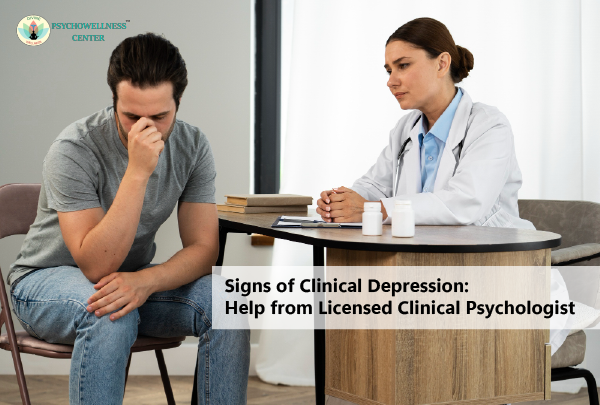
Depression is more than occasional sadness or simply feeling “low.” Clinical depression is a serious mental health condition that affects a person’s mood, thoughts, behavior, and overall ability to function in daily life. It can influence how someone feels about themselves, how they interact with others, and how they manage responsibilities at work, school, or home. Recognizing the signs early and seeking support from a licensed clinical psychologist can be life-changing, helping individuals restore emotional balance and significantly improve their quality of life.
Clinical depression does not look the same for everyone. While some individuals may experience deep, persistent sadness or frequent tearfulness, others may struggle more with low energy, lack of motivation, irritability, or a sense of emptiness. A common sign is losing interest or pleasure in activities that were once enjoyable, such as hobbies, socializing, or even daily routines. Changes in sleep patterns, appetite, and concentration are also frequent, along with feelings of worthlessness or excessive guilt.
In many cases, symptoms begin subtly and gradually intensify over time. Because of this, people often dismiss early warning signs as temporary stress or fatigue, delaying the decision to seek help. This delay can make recovery more difficult and prolong emotional distress. Understanding and acknowledging these early symptoms is essential. Timely intervention, whether through therapy, support systems, or a combination of treatments, can make a significant difference in managing depression effectively and promoting long-term well-being.
Common Signs of Clinical Depression
- Persistent Low Mood: Feeling sad, hopeless, or empty most of the day, nearly every day, is a hallmark of depression.
- Loss of Interest or Pleasure: Activities that used to bring joy may no longer feel satisfying, and social withdrawal can become noticeable.
- Changes in Sleep or Appetite: Insomnia, excessive sleeping, overeating, or loss of appetite are common physical indicators.
- Fatigue and Low Energy: Individuals may feel constantly tired or struggle with routine tasks, often linked to stress or disrupted emotional balance.
- Difficulty Concentrating: Depression can affect focus, memory, and decision-making, impacting both personal and professional life.
- Feelings of Worthlessness or Guilt: Negative self-perception and excessive guilt can reinforce a depressive cycle.
- Physical Symptoms: Headaches, digestive issues, or chronic pain without a clear medical cause may be connected to depression.
- Thoughts of Self-Harm: In severe cases, depression may lead to suicidal thoughts. Immediate professional help is critical if this occurs.
Contributing Factors
Depression is complex and often results from multiple interacting factors:
- Biological Factors: Genetics, neurotransmitter imbalances, or hormonal changes can predispose someone to depression.
- Psychological Factors: Past trauma, emotional abuse, or unresolved stress may trigger depressive episodes.
- Environmental Factors: Ongoing family problems, workplace stress, or social isolation can exacerbate symptoms.
- Co-occurring Conditions: Depression often coexists with anxiety, ADHD, or sleep disorders, influencing severity and duration.
Recognising these factors helps psychologists create personalised treatment plans.
How a Licensed Clinical Psychologist Can Help
Seeking support from a professional is essential for effective management of depression. Licensed clinical psychologists provide:
- Comprehensive Assessment: Psychologists evaluate emotional, cognitive, and behavioural patterns to identify depression accurately.
- Evidence-Based Therapy: Approaches such as Cognitive Behavioural Therapy (CBT) and mindfulness help individuals manage symptoms and develop healthier thought patterns.
- Emotion Regulation Strategies: Techniques to improve emotion control can reduce impulsivity, irritability, and emotional overwhelm.
- Stress Management: Addressing stress and learning coping mechanisms supports overall recovery.
- Support for Low Motivation: Therapists guide individuals to regain engagement in daily life, rebuild routines, and set achievable goals.
- Education and Guidance: Psychologists provide information on lifestyle changes, sleep hygiene, nutrition, and exercise, which complement therapeutic interventions.
With professional support, individuals can break the cycle of depression and restore emotional balance, resilience, and self-esteem.
Practical Tips for Managing Symptoms
Even while working with a psychologist, practical steps can help manage depressive symptoms:
- Stay Connected: Maintain relationships with supportive friends or family to reduce social isolation.
- Engage in Physical Activity: Regular exercise can improve mood and energy levels.
- Create a Routine: Structured daily schedules provide a sense of purpose and control.
- Mindfulness and Relaxation: Techniques like meditation, deep breathing, or yoga support emotional regulation.
- Monitor Triggers: Keeping a journal to track mood, behaviours, and triggers can help identify patterns for intervention.
Professional guidance combined with these strategies significantly improves the chances of recovery.
Conclusion
Clinical depression is a serious condition, but early recognition and professional support can make a profound difference. Understanding the signs, including persistent sadness, low motivation, sleep disturbances, changes in appetite, difficulty concentrating, and emotional overwhelm, allows individuals to seek timely help. Psychowellness Center offers access to the best psychologists in Delhi, along with the convenience of a counselling psychologist near me. Based in Dwarka and Janakpuri, New Delhi (Contact: 011-47039812 / 7827208707), the center provides structured, evidence-based support in a safe setting. Their experienced professionals work closely with clients to address challenges and promote long-term mental and emotional health.
The Psychowellness Center YouTube page also offers short, informative videos to help viewers better understand depression, its symptoms, and ways to cope. These videos simplify complex mental health concepts and encourage individuals to seek timely support, complementing the importance of early recognition and professional care highlighted above.
Contributions: Dr. R.K. Suri, Clinical Psychologist, and Ms. Mansi, Counselling Psychologist
References
- American Psychiatric Association. (2013). Diagnostic and statistical manual of mental disorders (5th ed.). Arlington, VA: American Psychiatric Publishing.
- Barlow, D. H., Durand, V. M., & Hofmann, S. G. (2021). Abnormal Psychology: An Integrative Approach (9th ed.). Boston, MA: Cengage Learning.
- Beck, J. S. (2020). Cognitive behavior therapy: Basics and beyond (3rd ed.). New York, NY: Guilford Press.