
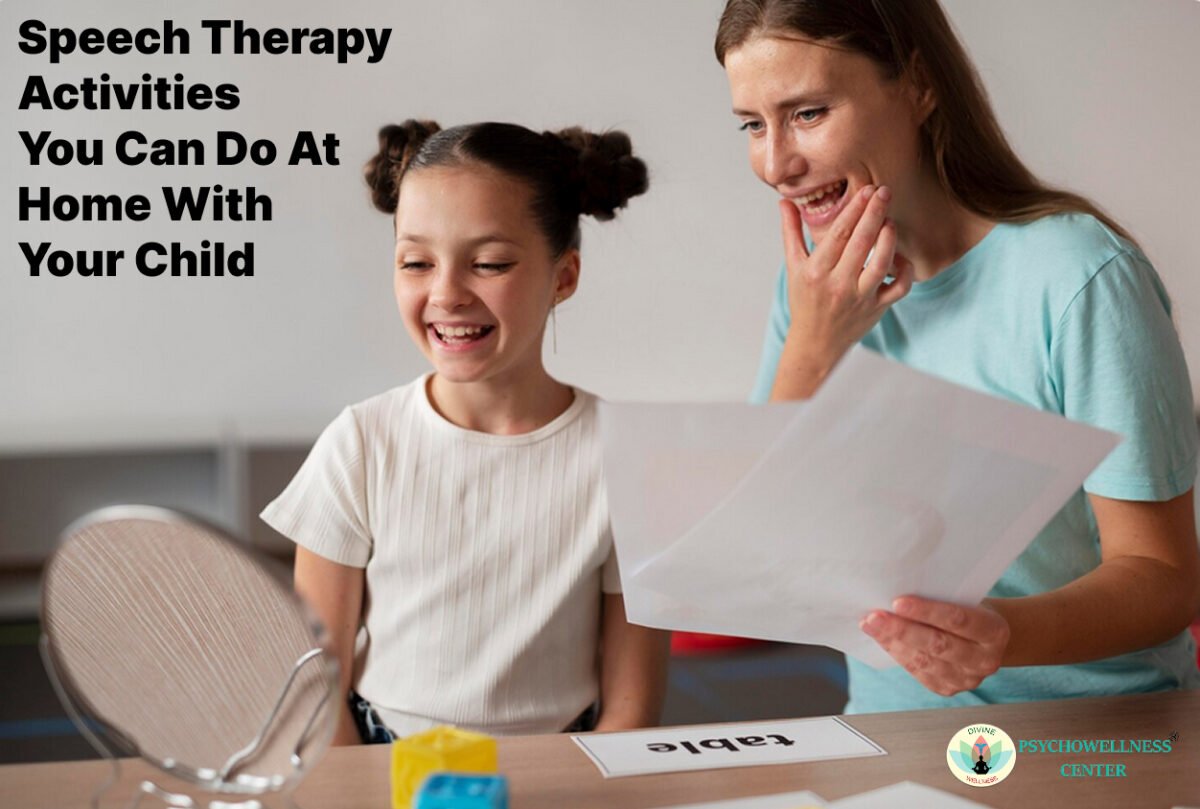
The development of a child’s speech and language is essential to their entire development. It influences how children express their needs, understand others, manage emotions, and build relationships. When speech development is delayed, it can affect confidence, learning, and behaviour. Many children experience challenges due to a developmental delay, communication disorder, or related conditions such as ADHD, specific learning disabilities, or sensory processing disorder.
Early and consistent support can make a significant difference. While professional speech therapy plays a key role, progress accelerates when parents actively reinforce skills at home. With patience, awareness, and supportive parenting, families can create a nurturing environment that promotes communication and emotional well-being.
Why Practising Speech at Home Is So Important
Speech therapy sessions are often limited to once or twice a week. However, children learn best through repetition and real-life experiences. Home-based practice helps children apply skills naturally in everyday situations, strengthening long-term outcomes.
Regular speech activities at home:
- Reinforce therapy goals
- Improve attention, memory, and learning
- Reduce frustration related to communication
- Support emotional confidence and regulation
Children with ADHD or social anxiety may particularly benefit from home practice, as familiar settings reduce pressure and performance anxiety. Consistent engagement also helps children who struggle due to poor health, fatigue, or frequent school absences maintain developmental progress.
1. Reading Together and Talking About Stories
Reading aloud is one of the most effective tools for language development. Choose books with repetition, rhyme, and engaging pictures. Pause to discuss characters, actions, and emotions.
Ask questions like:
- “What do you think will happen next?”
- “How does the character feel?”
This strengthens vocabulary, comprehension, and emotional awareness, especially helpful for children with communication disorders or specific learning disabilities.
2. Play “I Spy” to Improve Sound and Attention Skills
“I Spy” is a simple game that builds listening skills, descriptive language, and sound awareness. It is particularly useful for children with attention difficulties or ADHD.
You can:
- Focus on beginning sounds
- Use colours, shapes, or categories
- Practise turn-taking
This game also helps children develop confidence in social interaction, supporting those experiencing social anxiety.
3. Flashcards and Picture-Based Games
Flashcards help children connect words with visual cues. Parents can easily create cards using pictures from books or magazines.
Use them to:
- Practise naming objects and actions
- Build vocabulary
- Learn categories and opposites
Turning flashcards into games reduces stress and helps children who may show behavioural resistance due to frustration or sensory overload linked to sensory processing disorder.
4. Singing Songs and Nursery Rhymes
Songs and rhymes slow down speech and make sounds easier to hear and imitate. Music supports memory, rhythm, and sequencing.
Action songs also help children who struggle with coordination or sensory regulation by combining movement with language. Singing together creates a joyful, pressure-free learning environment.
5. Use Daily Routines as Language Opportunities
Daily routines provide natural chances for speech practice without making it feel like therapy.
Examples include:
- Naming foods and textures during meals
- Describing actions during bath time
- Practising instructions while getting dressed
Routine-based learning helps children with developmental challenges generalise skills and supports parents in practical, everyday parenting strategies.
6. “Sound of the Week” Activities
Focusing on one sound at a time helps improve articulation and clarity.
Steps include:
- Choosing a target sound
- Collecting objects that start with that sound
- Practising words and short sentences
This structured approach is especially effective for children with speech therapy goals or articulation difficulties linked to developmental conditions.
7. Storytelling and Pretend Play
Pretend play encourages creativity and expressive language. Children can create stories using toys, dolls, or puppets.
This activity helps:
- Improve sentence structure
- Develop emotional expression
- Build social understanding
It is particularly useful for children who struggle with peer interaction or emotional expression due to social anxiety or developmental concerns.
8. Using Apps Mindfully
Speech and language apps can be helpful when used in moderation and with adult involvement. Parents should sit with the child, repeat words aloud, and discuss what is happening on the screen.
This shared approach keeps learning interactive and prevents overdependence on screens, which is especially important for children with attention or sensory challenges.
9. Board Games for Communication and Social Skills
Board games encourage turn-taking, patience, and conversation. Adding simple language goals such as naming objects or answering questions can enhance speech practice.
These games support social learning in a relaxed environment and help children develop confidence in group interactions.
10. Practising Everyday Conversations
Conversation practice helps children learn listening, responding, and staying on topic. Parents can:
- Take turns discussing favourite activities
- Encourage eye contact
- Gently guide topic maintenance
These skills prepare children for school, friendships, and daily communication.
When to Seek Professional Help
Home activities are supportive, but professional help is essential if a child:
- Is not speaking by 18 months
- Is difficult to understand after age three
- Shows persistent frustration or withdrawal
- Has challenges related to development delay, learning, or behaviour
A child psychologist or speech-language professional can assess emotional, behavioural, and communication needs. Many families benefit from integrated counselling that supports both the child and parents.
Conclusion
Supporting your child’s speech development does not require perfection only consistency, patience, and emotional connection. With daily practice, encouragement, and understanding, children can overcome communication challenges and build confidence at their own pace.
The Psychowellness Centre, located in Dwarka Sector-17 and Janakpuri, New Delhi, supports children and families dealing with speech and language difficulties, developmental delays,
emotional challenges, and behavioural concerns through specialised, personalised therapy. With professional guidance from experienced psychologists and therapists, families can address communication difficulties, improve emotional regulation, and support healthy development. For parents searching for the best child psychologist near me, compassionate, evidence-based care can provide clarity, direction, and long-term support. The Psychowellness Centre can be reached at (+91 78272 08707) or (+91 11 4707 9079) for confidential and professional care.
Contribution: Dr. R.K. Suri, Clinical Psychologist, and Ms. Drishti Rajore, Counselling Psychologist
Reference
American Speech-Language-Hearing Association. (2023). Speech and language development in children. American Speech-Language-Hearing Association.
Bishop, D. V. M., Snowling, M. J., Thompson, P. A., Greenhalgh, T., & CATALISE Consortium. (2017). Phase 2 of CATALISE: A multinational and multidisciplinary Delphi consensus study of problems with language development: Terminology. Journal of Child Psychology and Psychiatry, 58(10), 1068–1080. https://doi.org/10.1111/jcpp.12721
Paul, R., Norbury, C. F., & Gosse, C. (2018). Language disorders from infancy through adolescence: Listening, speaking, reading, writing, and communicating (5th ed.). Elsevier.
https://www.psychowellnesscenter.com/Blog/harnessing-the-power-of-speech-therapy/
https://www.psychowellnesscenter.com/Blog/techniques-to-help-children-with-speech-sound-disorders/
https://www.psychowellnesscenter.com/Blog/best-speech-therapist-in-dwarka-sector-10-dwarka-delhi/
https://www.psychowellnesscenter.com/Blog/the-best-speech-therapist-in-delhi/
https://www.psychowellnesscenter.com/Blog/best-speech-therapist-in-vikaspuri/
https://www.psychowellnesscenter.com/Blog/creating-a-mental-health-friendly-home/
https://www.psychowellnesscenter.com/Blog/emotional-regulation-teaching-kids-to-manage-big-feelings/
https://www.psychowellnesscenter.com/Blog/importance-of-early-intervention-in-language-development/