
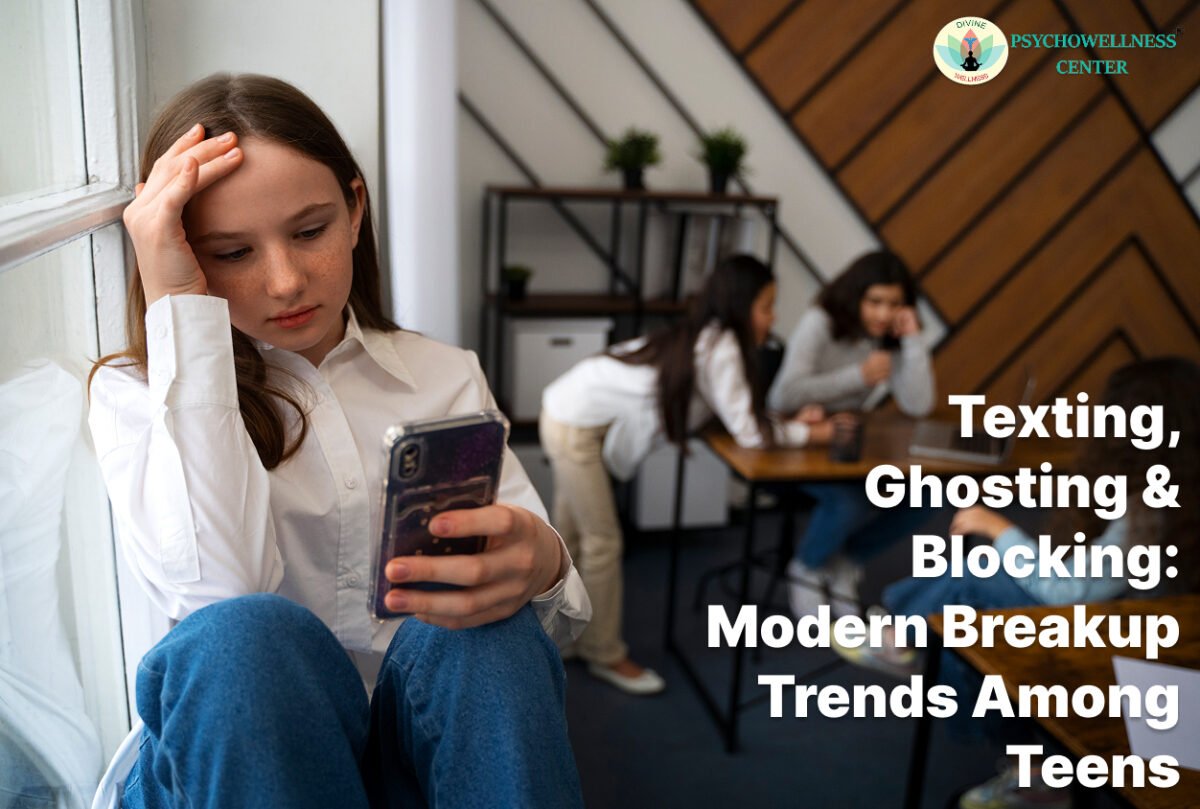
In today’s hyper-connected world, teen relationships form and fall apart faster than ever. What once required face-to-face conversations now happens through screens, taps, and disappearing messages. Texting has become the primary mode of expressing affection—but also the primary way relationships end. Alongside this shift, “ghosting” and “blocking” have become normalised breakup behaviours, shaping how teens understand intimacy, conflict, and closure.
These digital trends may seem harmless, even convenient, but they often carry emotional weight. For many adolescents, a confusing breakup can trigger stress, anxiety, and even feelings resembling trauma—especially when communication ends abruptly. After a sudden cutoff, teens may experience sadness, rumination, and in severe cases, symptoms related to depression. When a partner disappears without explanation, unresolved questions can fuel anger, self-doubt, and negative beliefs about one’s worth.
The Digital Dilemma: Why Teens Turn to Screens for Breakups
Smartphones create a sense of immediacy. When teens want to avoid uncomfortable conversations, technology provides easy escape routes. A breakup via text delivers fast relief from confrontation, even if it causes long-term emotional harm to the person on the receiving end.
Ghosting, one of the most common mechanisms, eliminates responsibility. It allows the initiator to vanish without the discomfort of explaining their emotions. For some teens, this behaviour becomes habitual and may even resemble an addiction to avoidance—an automated response to relational conflict.
Compounding matters, many adolescents struggle with unstable households or ongoing family problem dynamics. For them, relationships can become a space to seek validation or escape. When a breakup happens abruptly, the emotional fallout may intensify, often leading to emotional exhaustion or burnout. Yet this turmoil can also cultivate resilience, teaching teens how to cope with disappointment, reflect on their needs, and develop emotional maturity.
When Physical and Emotional Pain Intersect
Breakups may be emotional, but their impact on the body is real. Some teens experience headaches, changes in appetite, and disrupted physical health when dealing with heartbreak. A sudden disappearance from a partner can also trigger loneliness, especially when digital communication is constant. Parents often struggle to understand how intensely online interactions affect their children. Modern parenting requires navigating an era where relationships are formed, lived, and ended digitally. Without proper guidance, teens may internalise unhealthy behaviour patterns, affecting future relationships.
In severe cases, abrupt emotional loss can mimic symptoms associated with PTSD, especially for teens who already feel vulnerable. When communication collapses without closure, the brain can interpret the event as a threat, leading to heightened vigilance, intrusive thoughts, and social withdrawal.
The Language Gap: Teens Text, But They Don’t Talk
Many teens rely heavily on digital communication, which can sometimes mask or magnify a communication disorder. Texting removes tone, body language, and emotional nuance, leaving messages open to misinterpretation. A delayed reply can spiral into assumptions. A short message can sound cold or uninteresting.
Additionally, the modern “relationship timeline” often develops through apps, social media, and digital interactions. This can create emotional dependence on constant communication. When a breakup disrupts that pattern, teens may experience withdrawal-like symptoms, including the fear of missing out, especially when they continue seeing the ex-partner’s posts online. Sleep disturbances are also common. After a breakup, many teens report scrolling late into the night, monitoring messages, or replaying conversations—leading to poor sleep, irritability, and weakened emotional regulation.
Body Image, Self-Esteem & Online Pressure
For teens already struggling with body image issues, an unexpected breakup can intensify insecurities. Seeing an ex interact with others online or comparing oneself to peers may result in self-criticism and unhealthy coping patterns. Some teens begin altering their appearance or engaging in extreme behaviours to regain validation.
Furthermore, digital rejection can affect cardiovascular responses. Several studies show that emotional stress can temporarily elevate blood pressure, and in extreme cases, contribute to hypertension. While these symptoms typically resolve, they highlight how interconnected emotional and physical reactions can be.
Rebuilding After the Breakup
Though painful, modern breakup trends offer growth opportunities. Recognising harmful patterns helps teens learn healthier communication and emotional management. Many start a journey of self-improvement, focusing on setting boundaries, understanding attachment, and developing stronger interpersonal skills.
Support plays a crucial role. Talking to a trusted friend, mentor, or mental health professional can help teens process their emotions. In cases where heartbreak triggers severe emotional distress, therapy or online therapy can provide structured support. These platforms, guided by a counsellor or a licensed therapist, help teens navigate rejection, rebuild confidence, and learn healthy coping strategies.
What Teens and Adults Can Do
For teens:
- Build communication skills by practising openness and honesty in relationships.
- Set digital boundaries to reduce emotional overwhelm.
- Limit social media exposure following a breakup.
- Reach out for support instead of internalising emotional pain.
- Prioritise sleep, nutrition, and physical activity.
For parents and educators:
- Approach conversations with empathy, not judgment.
- Validate a teen’s emotional experience, even if the relationship was short-lived.
- Teach conflict-resolution skills and model healthy communication.
- Encourage professional support when emotional pain persists.
For society as a whole:
We must recognise that technology has fundamentally changed how teens form and end relationships. Understanding these shifts allows us to better support adolescents in navigating digital intimacy with emotional safety and maturity.
Conclusion
Texting, ghosting, and blocking may seem like quick solutions in modern teen relationships, but their emotional impact can be profound and lasting. When communication ends abruptly, teens are often left without clarity or closure, increasing vulnerability to anxiety, low self-esteem, emotional distress, and unhealthy relationship patterns. As digital interactions continue to shape how adolescents experience connection and loss, it becomes essential to normalise open conversations about emotional well-being, digital boundaries, and respectful communication.
With the right guidance, teens can learn to process breakups in healthier ways, develop resilience, and build stronger emotional awareness for future relationships. Therapeutic approaches such as CBT, mindful therapy, EFT, and supportive counselling can help adolescents manage rejection, emotional overwhelm, and self-doubt resulting from digital breakups. Online counselling platforms, such as TalktoAngel, make it easier for teens and families to connect with licensed mental health professionals from the comfort of their own homes. For those seeking face-to-face support and comprehensive care, the Psychowellness Center in Dwarka Sector-17 and Janakpuri (011-47039812 / 7827208707) offers personalised psychological services with access to some of the best psychologist near me, ensuring compassionate and professional support throughout the healing and growth process.
Contribution: Dr. R.K. Suri, Clinical Psychologist, and Ms. Drishti Rajore, Counselling Psychologist
References
- Brown, B. (2021). The power of vulnerability: Building meaningful connections in a digital age. Penguin Random House.
- Subrahmanyam, K., & Šmahel, D. (2020). Digital youth: The role of media in development. Springer.
- Scott, E. (2023). Stress and emotional resilience in adolescents. Oxford University Press.
- Twenge, J. M. (2020). iGen: Why today’s super-connected kids are growing up less rebellious, more tolerant, and completely unprepared for adulthood. Atria Books.