
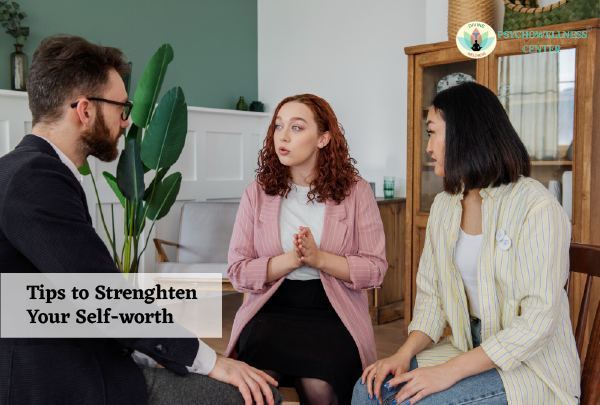
Self-worth refers to the internal sense of value and respect one holds for oneself. Unlike confidence, which may fluctuate depending on achievements or performance, self-worth is more stable and rooted in the belief that one deserves respect, care, and belonging regardless of external success. When self-worth is fragile, individuals may become overly dependent on approval, struggle with boundaries, or engage in harsh self-criticism. Strengthening self-worth is a gradual process that involves self-awareness, emotional regulation, and consistent behavioural change. It is not about inflating self-image but about developing a balanced and compassionate relationship with oneself.
Understand the Difference Between Self-Worth and External Validation
Many individuals unconsciously equate self-worth with achievements, appearance, or praise from others. While recognition can feel rewarding, relying exclusively on external validation makes self-esteem unstable. Setbacks, criticism, or comparison can then trigger disproportionate emotional distress. Developing self-worth involves shifting the focus inward. It requires recognising intrinsic qualities such as values, effort, integrity, and resilience rather than defining identity solely through outcomes.
Identify and Challenge Negative Self-Talk
Internal dialogue significantly shapes self-perception. Persistent thoughts such as “I am not good enough” or “I always fail” can gradually erode self-worth. These patterns often develop over time due to past experiences, criticism, or repeated disappointments.
Actively identifying negative self-talk is the first step. Once recognised, these thoughts can be examined for accuracy and reframed more realistically. Replacing extreme or self-critical statements with balanced alternatives supports emotional stability and healthier self-perception.
Set Realistic and Meaningful Goals
Unrealistic expectations often contribute to feelings of inadequacy. Setting goals that are aligned with personal values rather than societal pressure fosters a sense of purpose and accomplishment.
Breaking larger goals into smaller, manageable steps helps create consistent experiences of progress. Achieving incremental milestones reinforces competence and strengthens internal validation.
Establish Healthy Boundaries
Low self-worth is frequently associated with difficulty setting boundaries. Individuals may overcommit, tolerate disrespect, or prioritise others’ needs at the expense of their own well-being. Learning to say no when necessary and expressing needs clearly are essential components of self-respect. Boundaries protect emotional energy and reinforce the belief that one’s time and feelings matter.
Practice Self-Compassion
Self-compassion involves responding to personal mistakes or setbacks with understanding rather than harsh judgment. It does not mean avoiding accountability but recognising that imperfection is part of being human. Treating oneself with kindness during challenging times strengthens resilience. Over time, self-compassion reduces fear of failure and encourages growth-oriented thinking.
Limit Harmful Comparisons
Social comparison can undermine self-worth, especially in environments where curated images of success or perfection are common. Constant comparison often leads to distorted self-evaluation. Focusing on personal progress rather than external benchmarks supports a healthier perspective. Recognising individual strengths and areas for growth encourages balanced self-assessment.
Strengthen Support Systems
Supportive relationships contribute significantly to healthy self-worth. Engaging with individuals who offer respect, encouragement, and constructive feedback reinforces positive self-perception. Conversely, distancing from consistently critical or dismissive environments may be necessary. Emotional environments influence self-beliefs more than many people realise.
Engage in Activities That Reflect Personal Values
Participating in activities aligned with personal interests and values strengthens identity beyond external roles. Whether creative pursuits, volunteering, physical activity, or skill development, meaningful engagement reinforces competence and authenticity. Consistent involvement in such activities provides opportunities to experience mastery and intrinsic satisfaction.
Address Unresolved Emotional Experiences
Past experiences such as rejection, criticism, trauma, or prolonged stress can shape self-worth beliefs. Without reflection and processing, these experiences may continue influencing present self-perception. Professional counselling can help individuals explore the origins of low self-worth, identify recurring relational patterns, and develop healthier cognitive and emotional frameworks.
Develop Emotional Awareness
Strengthening self-worth requires understanding emotional responses rather than suppressing them. Emotional awareness allows individuals to respond thoughtfully instead of reacting impulsively to perceived criticism or rejection. Mindfulness practices, journaling, or guided reflection exercises can enhance emotional clarity and self-understanding over time.
Seek Professional Guidance When Needed
If persistent self-doubt, anxiety, or low mood significantly interferes with daily functioning, professional support may be beneficial. Therapy provides a structured environment for examining core beliefs, challenging distortions, and developing sustainable coping strategies.
Counselling is particularly helpful when low self-worth is linked to long-standing patterns or unresolved relational experiences. Structured therapeutic work can accelerate personal growth and emotional stability.
Conclusion
Strengthening self-worth is an ongoing process that involves challenging negative beliefs, building emotional awareness, and cultivating self-compassion. It requires consistent effort rather than quick fixes. By focusing on intrinsic values, establishing boundaries, and reducing reliance on external validation, individuals can develop a more stable and resilient sense of self.
Individuals considering support options such as counselling in Delhi, counselling psychologist Delhi, therapist near me, counsellor near me, or best psychologists in Delhi may benefit from structured therapeutic services at Psychowellness Center. Professional guidance can provide practical tools and psychological insight to support the development of healthier self-worth and long-term emotional well-being. At Psychowellness Center, a team of experienced counselling psychologists offers customised mental health support to help individuals navigate emotional and psychological challenges. Services are available through in-person consultations at their Dwarka and Janakpuri centres in New Delhi (Contact: 011-47039812 / 7827208707), along with convenient online counselling through TalktoAngel for those who prefer virtual sessions.
Strengthening your self-worth often begins with developing greater self-awareness, and mindfulness can be a powerful tool in this process. Practising mindfulness helps individuals observe their thoughts and emotions without judgment, making it easier to challenge negative self-beliefs and cultivate a more compassionate view of themselves. As discussed in this video by Psychowellness Center, mindfulness encourages individuals to stay present, recognise their intrinsic value, and build healthier patterns of self-talk. By integrating mindful practices into daily life, people can gradually enhance their confidence, appreciate their strengths, and develop a stronger, more stable sense of self-worth.
Contribution: Dr. R.K. Suri, Clinical Psychologist, and Ms.Charavi Shah, Counselling Psychologist
References
- Brown, B. (2012). Daring greatly: How the courage to be vulnerable transforms the way we live, love, parent, and lead. Gotham Books.
- Neff, K. D. (2003). Self-compassion: An alternative conceptualization of a healthy attitude toward oneself. Self and Identity, 2(2), 85–101. https://doi.org/10.1080/15298860309032
- Orth, U., & Robins, R. W. (2014). The development of self-esteem. Current Directions in Psychological Science, 23(5), 381–387. https://doi.org/10.1177/0963721414547414
- Sowislo, J. F., & Orth, U. (2013). Does low self-esteem predict depression and anxiety? A meta-analysis of longitudinal studies. Psychological Bulletin, 139(1), 213–240. https://doi.org/10.1037/a002893