
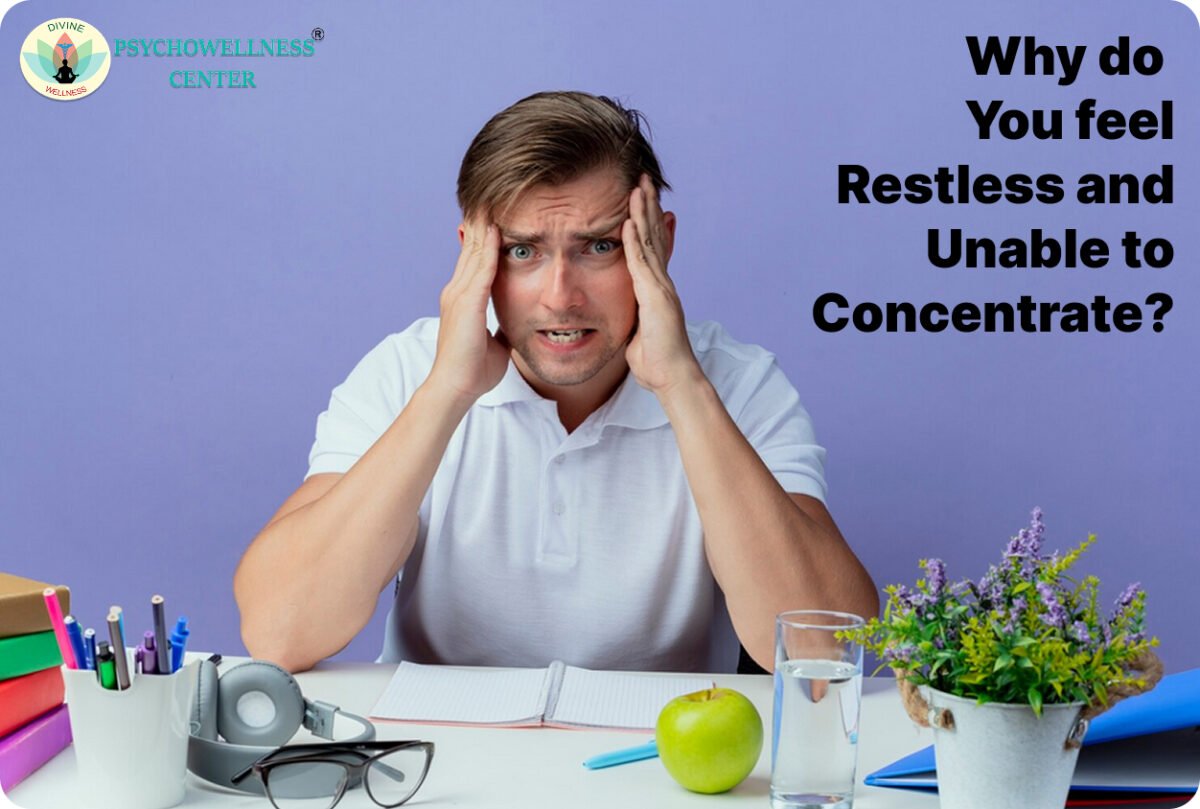
In a fast-paced, distraction-filled world, many people struggle with restlessness and difficulty concentrating. Whether it appears as constant fidgeting, racing thoughts, inability to stay focused on a task, or feeling mentally scattered, these symptoms often signal deeper psychological or physiological processes at play. Understanding why restlessness and poor concentration occur is essential for improving productivity, emotional well-being, and overall mental health. From neuroscience to lifestyle factors, multiple elements influence the brain’s ability to stay calm, focused, and present.
The Science Behind Restlessness and Poor Concentration
Restlessness and difficulty concentrating are not random experiences; they are responses triggered by the brain’s cognitive, emotional, and physiological systems. These sensations can arise from stress, hormonal changes, lifestyle habits, or underlying mental health conditions.
- Stress and the Overactive Nervous System
One of the biggest contributors to restlessness is chronic stress. When the body senses threats, real or imagined, it activates the sympathetic nervous system, releasing cortisol and adrenaline. This fight-or-flight response is designed to sharpen focus temporarily, but chronic activation disrupts concentration and creates mental agitation.
Symptoms include:
- Racing thoughts
- Difficulty sitting still
- Hypervigilance
- Muscle tension
- Irritability
The brain becomes stuck in survival mode, prioritizing threat detection instead of cognitive clarity.
- Information Overload and Digital Fatigue
Constant digital stimulation from phones, notifications, social media, and multitasking strains the brain’s attention system. The prefrontal cortex, the region responsible for focus, decision-making, and self-control, becomes overwhelmed.
Studies show that:
- Multitasking reduces productivity by up to 40%
- Digital interruptions weaken sustained attention
- Social media overstimulates dopamine pathways
This can leave you feeling mentally scattered and unable to concentrate on deeper tasks.
- Anxiety and Excessive Worry
Anxiety is strongly linked to restlessness. When the mind is preoccupied with “what if” thoughts, focusing on present tasks becomes nearly impossible. Generalized Anxiety Disorder (GAD), social anxiety, and panic tendencies can create a constant sense of internal unease.
Signs include:
- Restless energy
- Difficulty controlling worry
- Trouble concentrating (often called “brain fog”)
- Feeling keyed-up or on edge
In anxiety, the brain prioritizes scanning for danger over processing information calmly.
- Sleep Deprivation and Irregular Sleep Cycles
Sleep is crucial for cognitive functioning. Lack of quality sleep impairs attention span, memory, emotional regulation, and decision-making.
Chronic sleep deprivation leads to:
- Irritability
- Slower cognitive processing
- Increased stress hormones
- Poor emotional tolerance
Even one night of disturbed sleep can significantly impair concentration the next day.
- ADHD and Executive Function Challenges
Attention-Deficit/Hyperactivity Disorder (ADHD) involves differences in dopamine regulation and executive functioning. Individuals with ADHD may experience:
- Restless movement
- Difficulty sustaining focus
- Impulsivity
- Trouble organizing tasks
- Hyperfocus on some activities but not others
ADHD affects children and adults and often goes undiagnosed, especially in women, making restlessness feel frustrating and inexplicable.
- Hormonal Imbalances
Hormones greatly influence mood, energy levels, and concentration. Fluctuations during:
- Menstruation
- Pregnancy
- Perimenopause/menopause
- Thyroid disorders
- PCOS
can cause restlessness, irritability, and cognitive fog. For example, low thyroid function may reduce alertness, while high cortisol disrupts focus.
- Poor Nutrition and Dehydration
The brain requires stable blood sugar, adequate hydration, and essential nutrients to function optimally. Diets high in sugar, caffeine, or processed foods can create energy crashes and restlessness.
Nutrient deficiencies associated with concentration problems include:
- Iron
- Vitamin D
- Omega-3 fatty acids
- B-vitamins
Dehydration alone can reduce cognitive performance and increase irritability.
- Lack of Physical Activity
Movement improves blood flow to the brain, boosts dopamine and serotonin, and enhances cognitive clarity. Sedentary lifestyles can cause internal restlessness, pent-up energy, and a foggy mind.
Small exercise breaks, such as walking, stretching, or yoga, can reset focus.
- Emotional Overload and Unprocessed Feelings
Sometimes the inability to focus is rooted in deeper emotions such as:
- Sadness
- Anger
- Guilt
- Relationship stress
When emotions remain unprocessed, the mind becomes distracted and restless. Emotional suppression requires mental energy, leaving less capacity for concentration.
- Environmental Factors
A noisy, cluttered, or chaotic environment can overstimulate the brain and make it difficult to concentrate. Even background noise or visual clutter can increase cognitive load and distractibility.
How to Improve Restlessness and Concentration
Understanding the cause is the first step. Here are practical, research-backed ways to restore focus and calm.
- Practice Grounding and Mindfulness
Mindfulness reduces stress, improves emotional regulation, and strengthens attention networks in the brain.
Try:
- Deep breathing
- Body scans
- Mindful walking
- 5-4-3-2-1 grounding technique
- Limit Digital Distractions
Use strategies like:
- Turning off non-urgent notifications
- Pomodoro technique (25 minutes work, 5 minutes break)
- Tech-free hours
- Social media limits
These habits protect the brain from constant overstimulation.
- Prioritize Sleep Hygiene
To reset focus:
- Maintain a consistent sleep schedule
- Avoid screens 60 minutes before bed
- Keep the bedroom dark and cool
- Practice a relaxing bedtime routine
- Incorporate Movement Into Your Day
Short bursts of exercise boost dopamine and improve cognitive performance. Even a 10-minute walk can reduce restlessness.
- Address Emotional Needs
Journaling, therapy, and honest conversations can help process emotions that may be silent distractions.
- Evaluate Nutrition and Hydration
Eat balanced meals, reduce sugar/caffeine, and drink enough water. Consider checking for nutrient deficiencies if symptoms persist.
- Seek Professional Support
Consulting a psychologist or physician is especially helpful if:
- Symptoms persist
- Anxiety or ADHD is suspected
- Sleep issues or hormonal changes are significant
Professional guidance helps identify underlying conditions and create personalized treatment plans.
Conclusion
Feeling restless and unable to concentrate is not a sign of weakness but a message from your mind and body. Whether it stems from stress, emotional overload, digital fatigue, biological changes, or psychological conditions, the experience has real scientific explanations. By understanding the underlying causes and adopting supportive habits, you can restore mental clarity, emotional calm, and a stronger sense of control. With awareness, lifestyle changes, and sometimes professional support, focus becomes not just possible, but natural and sustainable.
If restlessness and poor concentration are affecting your daily life, evidence-based therapies can offer meaningful relief. Cognitive Behavioral Therapy (CBT) helps identify and change patterns of worry, overthinking, and negative thought loops that disrupt focus. Mindfulness-Based Stress Reduction (MBSR) trains the brain to stay present, calm the nervous system, and reduce digital overstimulation. For individuals experiencing emotional overload, Dialectical Behavior Therapy (DBT) supports emotional regulation and distress tolerance, while ADHD-focused interventions such as executive-function coaching improve planning, organization, and sustained attention. If these difficulties feel overwhelming, support is available both online and offline. You can connect with “top psychologists near me” through TalktoAngel, a trusted online mental health platform, or visit the Psychowellness Center in Dwarka Sector-17 and Janakpuri for in-person sessions (011-47039812 / 7827208707). Professional guidance can help you regain clarity, manage restlessness, and restore a grounded, focused mind.
Contribution: Dr. R.K. Suri, Clinical Psychologist, and Ms. Sakshi Dhankhar, Counselling Psychologist
References
American Psychological Association. (2020). Stress in America: The state of our nation. APA.
Barkley, R. A. (2015). Attention-deficit hyperactivity disorder: A handbook for diagnosis and treatment (4th ed.). Guilford Press.
Killingsworth, M. A., & Gilbert, D. T. (2010). A wandering mind is an unhappy mind. Science, 330(6006), 932.
Rosen, L. D., Lim, A. F., Carrier, L. M., & Cheever, N. A. (2014). An empirical examination of the educational impact of text message interruptions during college lectures. Educational Psychology, 34(5), 627–637.
Walker, M. (2017). Why we sleep: Unlocking the power of sleep and dreams. Scribner.
https://www.psychowellnesscenter.com/Blog/feeling-unable-to-focus-and-concentrate/
https://www.psychowellnesscenter.com/service-anxiety-treatment-in-delhi/
https://www.psychowellnesscenter.com/Blog/dopamine-vs-fulfillment-choosing-your-drive-mindfully/
https://www.psychowellnesscenter.com/Blog/how-to-do-dopamine-fasting-for-emotional-recalibration/
https://www.psychowellnesscenter.com/Blog/how-to-find-support-for-generalized-anxiety-disorder/
https://www.psychowellnesscenter.com/Blog/how-to-manage-decision-fatigue/
https://www.psychowellnesscenter.com/Blog/how-to-find-support-for-generalized-anxiety-disorder/
https://www.psychowellnesscenter.com/Blog/symptoms-of-high-functioning-ptsd/
https://www.psychowellnesscenter.com/Blog/signs-and-remedies-for-mental-fatigue/
https://www.psychowellnesscenter.com/Blog/how-anxiety-impacts-daily-functioning/