
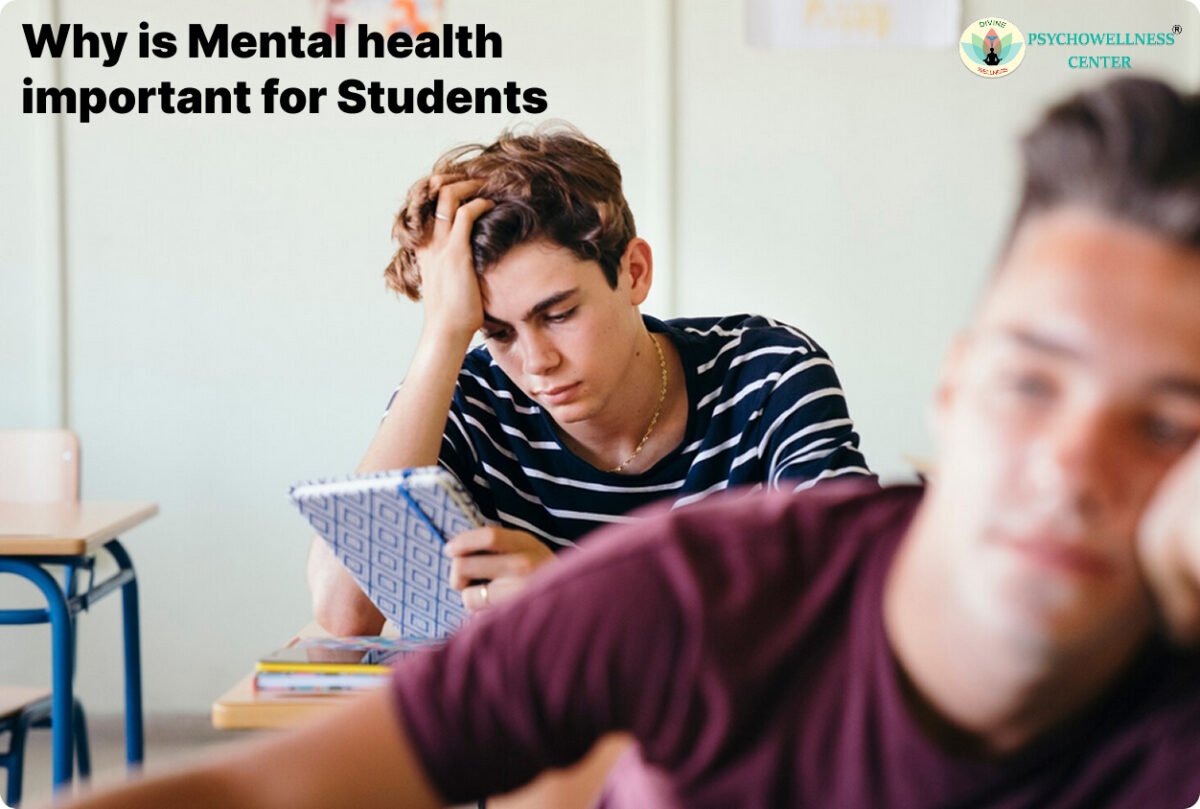
In today’s fast-paced and competitive world, students face increasing pressure to excel academically, manage relationships, and plan for their future, all while navigating personal challenges and identity development. Amidst this whirlwind of expectations, mental health often takes a backseat. Yet, it is one of the most crucial factors that determine not only academic success but also overall well-being and personal growth.
Good mental health empowers students to think clearly, learn effectively, build resilience, and cope with stress in healthy ways. When neglected, it can affect their focus, motivation, and even physical health. Understanding why mental health is important for students is the first step toward creating supportive learning environments where they can truly thrive.
- Mental Health and Academic Performance
Mental health directly influences how students learn, concentrate, and perform in school or college. Anxiety, depression, and stress are some of the most common issues that interfere with academic productivity.
Students struggling with mental health difficulties often find it hard to concentrate during lectures, retain information, or stay motivated for assignments and exams. They may also experience sleep disturbances, fatigue, and poor time management, all of which contribute to declining academic performance.
Conversely, when students have good mental well-being, they are more focused, creative, and confident. They can approach challenges with a problem-solving mindset, show greater persistence in their studies, and demonstrate higher academic achievement. Thus, maintaining positive mental health is as vital as studying itself.
2. Building Emotional Resilience
Life as a student is filled with transitions, moving to a new city for college, adjusting to peer groups, or balancing part-time jobs with academics. These changes can be overwhelming. Mental health helps build emotional control, which is the ability to bounce back from stress, disappointment, or failure.
Resilient students are better equipped to manage exam stress, handle rejection, or adapt to new learning environments. They are less likely to resort to unhealthy coping mechanisms like avoidance, substance use, or self-isolation. Through mindfulness, emotional regulation skills, and counselling support, students can strengthen their ability to navigate life’s ups and downs with stability and optimism.
3. Healthy Relationships and Social Skills
College and school years are not just about academics, they are also the foundation for developing social connections and interpersonal skills. Good mental health enhances a student’s ability to form meaningful relationships, communicate effectively, and express emotions in healthy ways.
Students who struggle with poor mental health often experience social withdrawal, irritability, or conflict in friendships. They might misinterpret social cues or find it hard to trust others, leading to feelings of isolation and loneliness.
On the other hand, emotionally balanced students are empathetic, open, and collaborative. They can work effectively in teams, manage disagreements respectfully, and offer or seek support when needed. These relational skills are not only essential in educational settings but also critical for future professional success.
4. Coping with Academic and Peer Pressure
Academic pressure has become a defining feature of student life. Whether it’s the pressure to achieve top grades, secure internships, or meet parental expectations, students often push themselves beyond their limits. Social media comparisons and peer competition can amplify feelings of inadequacy, creating a toxic cycle of self-doubt and burnout.
Mental health awareness encourages students to set realistic goals, recognize their individual strengths, and seek help when overwhelmed. Understanding that failure or lower performance is part of learning helps reduce perfectionistic tendencies and promotes self-compassion.
Institutions that prioritize mental health through workshops, counselling, and stress management programs enable students to cope with academic demands without compromising their emotional well-being.
5. Preventing Long-Term Mental Health Issues
Early adulthood is a critical phase for the onset of many mental health disorders such as depression, anxiety, eating disorders, orsubstance abuse. Studies show that nearly one in five students experience some form of mental health issue during their academic years.
Ignoring early signs like constant fatigue, loss of interest, irritability, or negative self-talk can lead to more severe problems in adulthood. Timely mental health interventions, like school counsellors, peer support groups, and therapy, can prevent escalation and promote long-term emotional balance.
When students learn to prioritize mental health early in life, they are better prepared to manage workplace stress, relationships, and personal challenges later on.
6. Encouraging Self-Awareness and Personal Growth
Mental health is not just about preventing illness, it’s also about fostering growth. It encourages self-awareness, helping students understand their thoughts, emotions, and behaviors. This insight allows them to make healthier choices, manage emotions constructively, and develop a strong sense of identity.
When students engage in counselling or self-reflection practices, they learn to recognize what motivates them, what triggers stress, and what values guide their decisions. Such awareness enhances self-esteem, clarity, and purpose, key ingredients for a fulfilling life.
Moreover, emotional intelligence, cultivated through good mental health, enhances leadership skills, empathy, and decision-making, which are highly valued in both personal and professional realms.
7. Creating Supportive Educational Environments
For students to maintain good mental health, the environment around them must be nurturing and non-judgmental. Educational institutions play a pivotal role in normalizing conversations about mental well-being.
Schools and colleges can organize mental health awareness programs, provide easy access to counsellors, and train teachers to identify signs of emotional distress among students. Creating peer support groups and encouraging open dialogue about mental health challenges further fosters inclusivity, empathy, and collective resilience within the student community.
8. The Mind-Body Connection
Mental and physical health are deeply interconnected. Chronic stress and anxiety can weaken the immune system, disturb sleep, and contribute to headaches, digestive issues, or fatigue. Students under constant stress may skip meals, overconsume caffeine, or experience burnout, all of which harm physical well-being.
By nurturing mental health through balanced routines, relaxation techniques, and counselling, students also improve their physical vitality. Practices like meditation, yoga, journaling, and mindful breaks promote relaxation and enhance overall energy levels. A healthy body is genuinely supported by a healthy mind.
Conclusion
Mental health is the foundation of a student’s success, academically, emotionally, and socially. It influences how they think, learn, interact, and envision their future. Prioritizing mental well-being is not a luxury but a necessity that shapes the kind of adults they become.
Supporting student mental health is essential for helping them thrive both academically and personally. When students feel safe, understood, and emotionally supported, they can manage stress better, build healthier relationships, and stay motivated in their studies. Early access to guidance, whether through school counsellors, peer support, or professional therapy, prevents small concerns from turning into long-term challenges. Services like online counselling at TalktoAngel and in-person support at Psychowellness Center in Dwarka Sector-17 and Janakpuri (011-47039812 / 7827208707) provide students with a compassionate space to express their struggles, learn coping skills, and strengthen emotional resilience. By prioritizing mental well-being, we empower students to grow into confident, balanced, and future-ready individuals.
Contribution: Dr. R.K. Suri, Clinical Psychologist, and Ms. Sheetal, Counselling Psychologist
References:
American College Health Association. (2022). National College Health Assessment III: Undergraduate student reference group executive summary spring 2022. American College Health Association. https://www.acha.org
Eisenberg, D., Hunt, J., & Speer, N. (2013). Mental health in American colleges and universities: Variation across student subgroups and across campuses. The Journal of Nervous and Mental Disease, 201(1), 60–67. https://doi.org/10.1097/NMD.0b013e31827ab077
Keyes, C. L. M., Eisenberg, D., Perry, G. S., Dube, S. R., Kroenke, K., & Dhingra, S. S. (2012). The relationship of level of positive mental health with current mental disorders in predicting suicidal behavior and academic impairment in college students. Journal of American College Health, 60(2), 126–133. https://doi.org/10.1080/07448481.2011.608393
World Health Organization. (2022). Mental health: Strengthening our response. https://www.who.int/news-room/fact-sheets/detail/mental-health-strengthening-our-response
https://www.psychowellnesscenter.com/Blog/importance-of-mental-health-awareness-in-society/
https://www.psychowellnesscenter.com/Blog/foundation-of-good-mental-health-for-boys/
https://www.psychowellnesscenter.com/Blog/iq-and-mental-health-is-there-a-connection/
https://www.psychowellnesscenter.com/Blog/preventing-depression-and-anxiety-in-young-indians/
https://www.psychowellnesscenter.com/Blog/7-important-reasons-why-you-should-try-therapy/
https://www.talktoangel.com/blog/mental-health-services-for-student-wellness-centers
https://www.psychowellnesscenter.com/Blog/how-to-support-students-as-a-school-psychologist/
https://www.psychowellnesscenter.com/Blog/the-impact-of-school-anxiety-on-student-performance/
https://www.psychowellnesscenter.com/Blog/handling-the-pressure-to-do-good-in-life/
https://www.psychowellnesscenter.com/Blog/the-impact-of-school-anxiety-on-student-performance/