
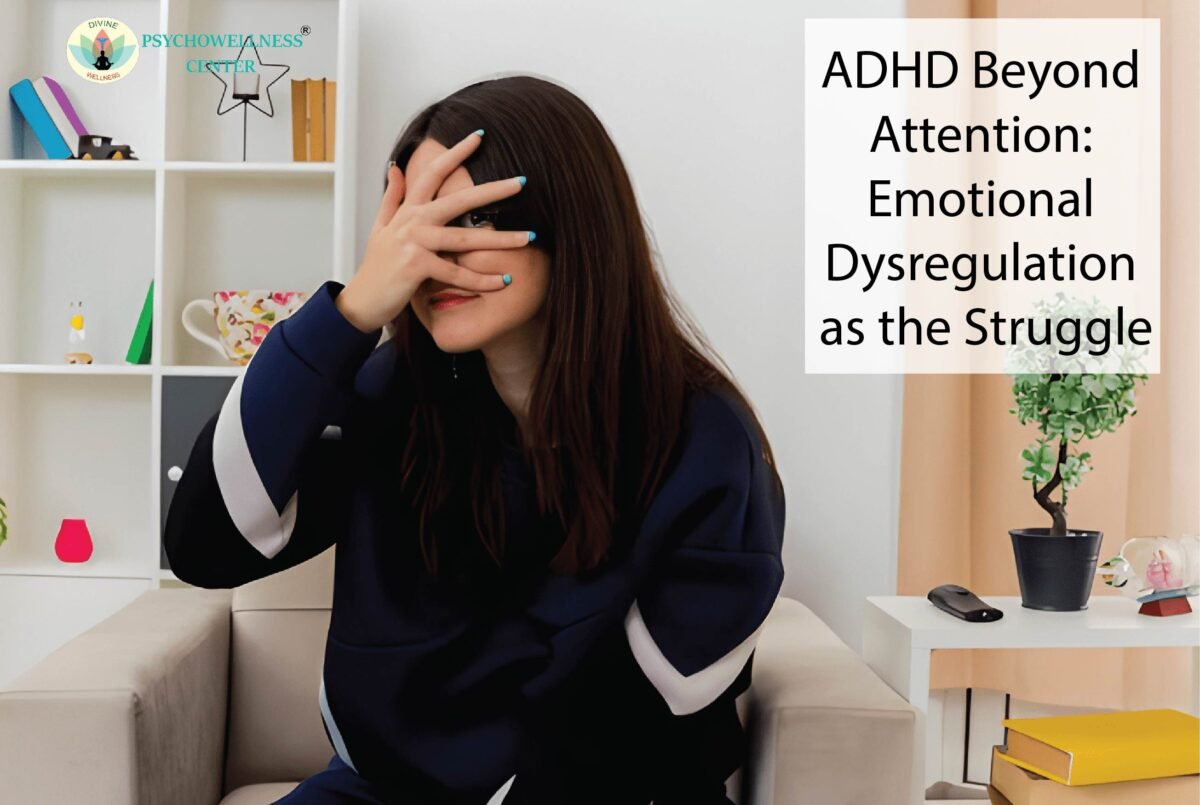
Attention-Deficit/Hyperactivity Disorder (ADHD) is most commonly associated with inattention, hyperactivity, and impulsivity. While these symptoms are widely recognized and discussed, they represent only the visible surface of a much deeper and often misunderstood condition. For many individuals with ADHD, children, adolescents, and adults alike, the most challenging and distressing aspect is not difficulty focusing, but emotional dysregulation.
Emotional dysregulation refers to difficulty managing emotional responses in a way that is flexible, appropriate, and proportional to the situation. For individuals with ADHD, emotions can feel intense, fast-moving, and overwhelming, often leading to reactions that are misunderstood by others and even by the individual themselves. This hidden struggle has a significant impact on relationships, self-esteem, academic and professional functioning, and overall quality of life.
Understanding Emotional Dysregulation in ADHD
Emotional dysregulation is not officially listed as a core diagnostic criterion for ADHD in many classification systems, yet research and clinical experience consistently highlight it as a central feature. Individuals with ADHD often experience emotions more intensely and have difficulty regulating how quickly those emotions rise and fall.
This can include:
- Sudden anger or irritability
- Emotional outbursts that feel hard to control
- Heightened sensitivity to criticism or rejection
- Difficulty calming down after emotional distress
- Rapid mood shifts triggered by minor events
These emotional responses are not deliberate or manipulative; they stem from neurological differences in how the ADHD brain processes emotions, impulses, and stress.
The Neurobiology Behind Emotional Dysregulation
ADHD is associated with differences in brain regions responsible for executive functioning, particularly the prefrontal cortex. This area plays a critical role in regulating attention, impulse control, emotional modulation, and decision-making. When these regulatory systems are less efficient, emotions can bypass the brain’s “pause and evaluate” mechanism.
Additionally, dysregulation in dopamine and norepinephrine, neurotransmitters involved in motivation, reward, and emotional processing, contributes to heightened emotional reactivity. This explains why individuals with ADHD may feel emotions more intensely and struggle to shift out of emotional states once activated.
In simple terms, emotional dysregulation in ADHD is not a character flaw, it is a brain-based difficulty with emotional self-management.
How Emotional Dysregulation Manifests Across Life Stages
In Children
Children with ADHD may be labeled as “overreactive,” “defiant,” or “emotionally immature.” They may cry easily, become frustrated quickly, or have explosive tantrums that seem disproportionate to the situation. These reactions often occur because children lack the emotional tools to express distress in more regulated ways.
In Adolescents
Adolescence intensifies emotional experiences due to hormonal changes and social pressures. Teens with ADHD may experience intense mood swings, emotional impulsivity, and heightened sensitivity to peer rejection. This can increase the risk of anxiety, depression, and low self-esteem.
In Adults
For adults, emotional dysregulation often appears as chronic irritability, emotional exhaustion, difficulty managing stress, and challenges in relationships. Many adults with ADHD report feeling “too emotional” or “emotionally unstable,” internalizing years of criticism and misunderstanding.
Rejection Sensitivity and Emotional Pain
One particularly painful aspect of emotional dysregulation in ADHD is Rejection Sensitive Dysphoria (RSD). RSD involves intense emotional pain triggered by perceived criticism, failure, or rejection, even when it is subtle or unintended.
Individuals with RSD may:
- Avoid situations where they might fail or be judged
- Experience overwhelming shame after minor mistakes
- React defensively or withdraw emotionally
- Struggle with perfectionism or people-pleasing
This sensitivity can significantly affect self-worth and interpersonal relationships, often leading individuals to feel chronically misunderstood or emotionally unsafe.
Impact on Relationships and Daily Life
Emotional dysregulation can strain personal and professional relationships. Partners, family members, and colleagues may misinterpret emotional reactions as overdramatic, aggressive, or irresponsible. Over time, repeated misunderstandings can lead to conflict, emotional distance, and feelings of isolation.
Internally, individuals with ADHD may experience:
- Guilt and shame after emotional outbursts
- Confusion about why emotions feel so intense
- Fear of being “too much” for others
- Emotional burnout from constant self-monitoring
Without appropriate understanding and support, emotional dysregulation can erode confidence and reinforce negative self-beliefs.
Why Emotional Dysregulation Is Often Overlooked
One reason emotional dysregulation remains underrecognized is that ADHD has historically been framed as a childhood behavioral disorder focused on attention and hyperactivity. Emotional struggles are often misattributed to personality traits, mood disorders, or poor coping skills.
Additionally, many individuals, especially adults and women, mask emotional difficulties to meet social expectations, leading to delayed diagnosis or misdiagnosis. This invisibility further reinforces the myth that ADHD is “just about attention.”
Pathways to Emotional Regulation and Healing
While emotional dysregulation is a core challenge in ADHD, it is also highly treatable with the right support and interventions.
Effective approaches include:
- Psychoeducation to understand ADHD-related emotional patterns
- Cognitive Behavioral Therapy (CBT) to identify emotional triggers and reframe reactions
- Dialectical Behavior Therapy (DBT) skills for emotional regulation and distress tolerance
- Mindfulness-based practices to increase awareness and pause before reacting
- Medication, when appropriate, to support neurological regulation
Equally important is cultivating self-compassion. Learning to view emotional struggles through a neurodiversity-informed lens helps individuals shift from self-blame to self-understanding.
Reframing ADHD and Emotional Experience
Recognizing emotional dysregulation as part of ADHD allows for a more compassionate and holistic understanding of the condition. Emotional intensity is not inherently negative, it often comes with deep empathy, creativity, passion, and authenticity. The goal is not to suppress emotions, but to learn how to regulate and channel them effectively.
With the right tools and support, individuals with ADHD can build emotional resilience, strengthen relationships, and develop a more stable sense of self.
Conclusion
ADHD extends far beyond attention difficulties. Emotional dysregulation represents one of its most impactful yet overlooked challenges, influencing how individuals experience themselves and the world around them. By acknowledging this hidden struggle, shifting societal narratives, and providing appropriate psychological support, we can foster greater understanding, acceptance, and healing.
When emotional dysregulation is recognized not as a personal failing but as a neurobiological reality, individuals with ADHD are empowered to seek support from the “best psychologists in India” and “best child psychologists in Dwarka”, build skills, and lead more balanced and fulfilling lives.
Psychowellness Center is a leading mental health and counselling center in Delhi that provides evidence-based psychological support for individuals with ADHD, including concerns related to emotional dysregulation, impulsivity, stress management, and self-esteem. With a team of experienced clinical psychologists and counselling psychologists, the center offers a neurodiversity-informed and compassionate approach that helps children, adolescents, and adults understand and regulate intense emotional experiences associated with ADHD. Psychowellness Center has accessible locations in Janakpuri and Dwarka Sector 17, Delhi, and appointments can be scheduled by calling 011-47039812 / 7827208707. The center is also associated with TalktoAngel, a well-established online counseling platform that provides confidential and flexible therapy sessions across India, making professional ADHD-focused counselling available both in-person and online. Through structured therapy, psychoeducation, and emotional regulation skill-building, Psychowellness Center and TalktoAngel support individuals in developing emotional resilience, self-awareness, and improved quality of life.
Contribution: Dr. R.K. Suri, Clinical Psychologist, and Ms. Riya Rathi, Counselling Psychologist
References
Conner, C. M., & White, S. W. (2018). Stress, emotion regulation, and ADHD. Journal of Attention Disorders, 22(7), 608–616. https://doi.org/10.1177/1087054715570399
Faraone, S. V., Banaschewski, T., Coghill, D., Zheng, Y., Biederman, J., Bellgrove, M. A., … Wang, Y. (2015). The World Federation of ADHD international consensus statement. Neuroscience & Biobehavioral Reviews, 128, 789–818. https://doi.org/10.1016/j.neubiorev.2021.01.022
Graziano, P. A., & Garcia, A. (2016). Attention-deficit hyperactivity disorder and children’s emotion dysregulation. Clinical Psychology Review, 46, 106–123. https://doi.org/10.1016/j.cpr.2016.04.011
Gross, J. J. (2015). Emotion regulation: Current status and future prospects. Psychological Inquiry, 26(1), 1–26. https://doi.org/10.1080/1047840X.2014.940781
Kooij, J. J. S., Bijlenga, D., Salerno, L., Jaeschke, R., Bitter, I., Balazs, J., … Asherson, P. (2019). Updated European consensus statement on adult ADHD. European Psychiatry, 56, 14–34. https://doi.org/10.1016/j.eurpsy.2018.11.001
https://www.psychowellnesscenter.com/Blog/signs-of-social-emotional-delays-in-children/
https://www.psychowellnesscenter.com/Blog/best-child-psychologist-in-najafgarh-delhi/
https://www.psychowellnesscenter.com/Blog/are-mental-health-disorders-genetic/
https://www.psychowellnesscenter.com/Blog/kid-therapy-supporting-emotional-development-early/
https://www.psychowellnesscenter.com/Blog/raising-kids-in-the-age-of-gadgets/
https://www.talktoangel.com/blog/self-doubt-and-self-criticism-counselling
https://www.psychowellnesscenter.com/Blog/unspoken-trauma-of-living-in-an-unhealthy-relationship/
https://www.psychowellnesscenter.com/Blog/tips-to-gain-control-over-your-emotions/