
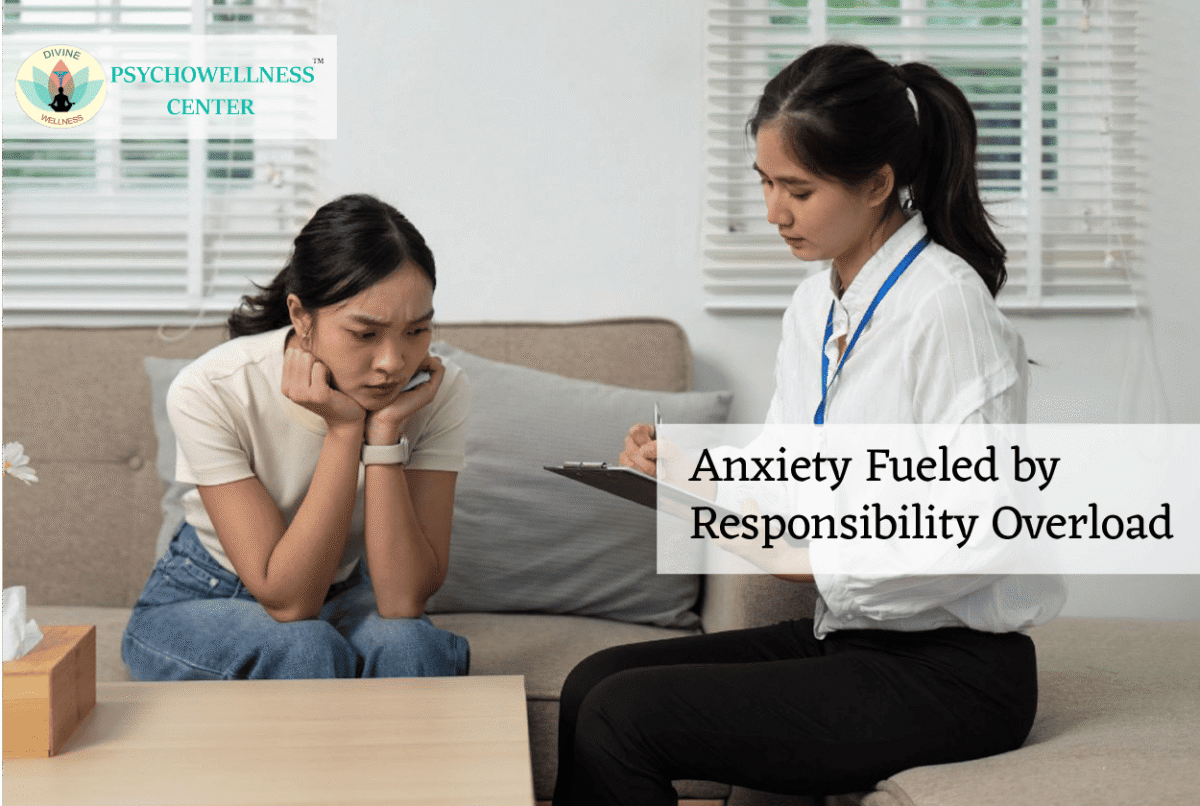
In today’s fast-paced world, being responsible is often praised as a strength. Taking care of family, managing work commitments, meeting social expectations, and handling personal obligations can make a person appear reliable and capable. However, when responsibilities become excessive and unrelenting, they can quietly fuel chronic anxiety. Responsibility overload occurs when individuals feel constantly burdened by expectations, both external and internal, leading to emotional exhaustion, mental strain, and persistent anxiety. This form of anxiety is often overlooked because it hides behind productivity and competence. Yet, over time, the pressure to manage everything alone can significantly impact mental health.
Understanding Responsibility Overload
Responsibility overload arises when a person feels they must consistently perform, provide, or care for others without adequate support or rest. This can stem from professional demands, caregiving roles, family expectations, or deeply ingrained beliefs about self-worth being tied to responsibility. People experiencing responsibility overload often struggle to say no, delegate tasks, or prioritise self-care. They may feel guilty when resting and anxious when not being productive. Over time, this constant pressure can trigger emotional dysregulation and anxiety-related symptoms.
How Responsibility Overload Leads to Anxiety
Anxiety fueled by responsibility overload develops gradually. The nervous system remains in a prolonged state of alertness as the individual constantly anticipates tasks, problems, or potential failures. This chronic stress response can lead to both psychological and physical symptoms.
Common signs include:
- Persistent worry and overthinking
- Difficulty relaxing or switching off
- Irritability and emotional exhaustion
- Sleep disturbances and fatigue
- Muscle tension, headaches, or gastrointestinal discomfort
- Fear of disappointing others
Without intervention, this pattern may progress into generalised anxiety disorder, burnout, or depressive symptoms.
Psychological Factors Behind Over-Responsibility
Several psychological factors contribute to responsibility overload. Perfectionism, people-pleasing tendencies, fear of conflict, and early conditioning around achievement or caregiving often play a role. Individuals may develop beliefs such as “If I don’t handle this, everything will fall apart” or “My value comes from being useful.” Therapeutic approaches like cognitive behavioural therapy (CBT) help identify and challenge these unhelpful thought patterns, replacing them with healthier, more balanced beliefs.
Emotional and Behavioural Consequences
Emotionally, responsibility overload can lead to chronic anxiety, resentment, and emotional numbness. Behaviorally, individuals may become overly controlling, avoid asking for help, or suppress their own needs. This internal conflict often results in guilt, frustration, and self-criticism.
Techniques from stress management therapy, mindfulness-based interventions, and emotion control strategies are often used to help individuals reconnect with their emotional needs and restore balance.
Impact on Relationships and Work Life
Responsibility-driven anxiety does not exist in isolation. It affects interpersonal relationships and professional functioning. Individuals may feel unsupported yet struggle to communicate their needs. At work, they may overextend themselves, leading to burnout and reduced productivity despite high effort. Learning healthy boundary-setting skills and assertive communication through therapy can significantly reduce anxiety and improve relational dynamics.
Learning to Rebalance Responsibility
Recovery from responsibility overload involves redefining personal limits and learning that rest is not failure. Therapy helps individuals develop healthier coping mechanisms, practice delegation, and differentiate between realistic responsibility and self-imposed pressure.
Interventions may include:
- Cognitive restructuring to reduce catastrophic thinking
- Behavioural strategies to practice saying no
- Relaxation techniques to calm the nervous system
- Mindfulness practices to reduce hypervigilance
These approaches support long-term emotional resilience and anxiety reduction.
Role of Self-Compassion and Boundaries
Developing self-compassion is essential for those struggling with responsibility-driven anxiety. Many individuals hold themselves to unrealistic standards while offering understanding to others. Therapeutic work often focuses on replacing self-criticism with empathy and learning to set boundaries without guilt. Boundary-setting is not about withdrawing from responsibilities but about sustainably engaging with them.
Reframing Responsibility in a Healthier Way
Healing from responsibility overload involves redefining what responsibility truly means. Being responsible does not require self-sacrifice to the point of emotional depletion. Through therapeutic work, individuals learn to differentiate between healthy accountability and unrealistic self-expectations. This process includes recognising limits, sharing responsibilities, and accepting that asking for help is a strength rather than a failure. By gradually shifting from survival-driven responsibility to balanced engagement, individuals can reduce anxiety, restore emotional energy, and build a more sustainable relationship with their personal and professional roles.
When to Seek Help
If anxiety persists despite rest, reassurance, or reduced work stress, professional intervention is recommended. Warning signs include constant worry, inability to relax, emotional exhaustion, sleep problems, or physical stress symptoms. Early support prevents long-term mental health complications.
Conclusion
Anxiety fueled by responsibility overload is a common yet often unrecognised mental health concern. While responsibility is an important life skill, carrying excessive emotional and practical burdens without adequate support can lead to chronic anxiety, emotional exhaustion, and burnout. Over time, this pressure can impact self-esteem, relationships, academic or professional performance, and overall mental well-being. Through self-awareness, healthy boundary-setting, stress-management techniques, and professional psychological support, individuals can learn to manage responsibilities in more balanced and sustainable ways. Seeking guidance from the best counsellors near me and best psychologists in Delhi NCR is not a sign of weakness; rather, it is a proactive step toward emotional balance, resilience, and long-term well-being.
If you are searching for a Counselling Centre Near me, Psychowellness Center (Contact: 011-47039812 / 7827208707), located in Dwarka Sector-17 and Janakpuri, New Delhi, offers specialised child counselling through personalised therapeutic approaches that support emotional development, school adjustment, and overall well-being. Additionally, for families and individuals seeking flexible access to care, online counselling platforms like TalktoAngel provide structured psychological support to help manage anxiety caused by excessive responsibilities and ongoing stress. Together, these evolving care options make compassionate, effective, and client-centred mental health support more accessible than ever.
Explore it with the Psychowellness center –
https://youtu.be/T-AnKQuAtI0?si=i-SdZUsXG-n5jcEF
https://youtu.be/J0j2QJR5CNg?si=CyWDmX5-pN-kyV5w
https://youtu.be/3lurBTWt9l4?si=rZLXYJPN-nK4EoG-
https://youtube.com/shorts/cA_BJSRoVF4?si=dUBT4zZJ2yKqENRJ
Contribution: Dr. R.K. Suri, Clinical Psychologist, and Ms. Sakshi , Counselling Psychologist
References
- American Psychological Association. (2020). Stress and anxiety. https://www.apa.org
- Beck, J. S. (2011). Cognitive behavior therapy: Basics and beyond (2nd ed.). Guilford Press.