
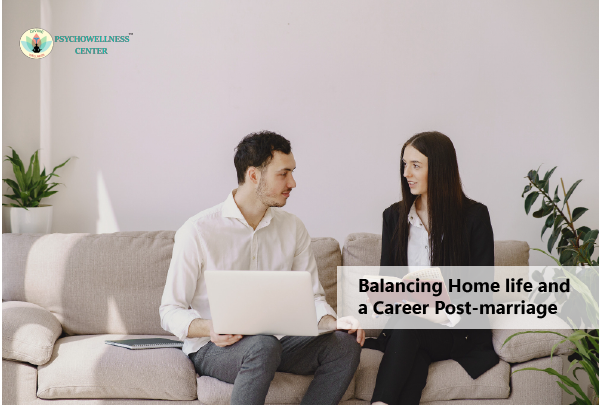
Marriage marks the beginning of a new chapter, one that brings companionship, shared responsibilities, and evolving priorities. Alongside this transition, many individuals find themselves navigating the delicate balance between professional ambitions and personal commitments. Balancing home life and a career post-marriage is not about perfection; rather, it is about adaptability, communication, and mutual understanding. As roles shift and expectations grow, couples often discover that maintaining harmony requires conscious effort and emotional awareness.
The Reality of Dual Responsibilities
After marriage, life often becomes a blend of professional responsibilities and shared domestic roles. While earlier routines may have been managed individually, marriage necessitates coordination and compromise. This transition can sometimes lead to stress, especially when both partners are managing demanding careers. Deadlines, meetings, and workplace conflicts may spill over into personal time, leaving little room for relaxation or connection. Over time, this imbalance can lead to emotional fatigue and even burnout. The key lies in acknowledging that both partners are adjusting. Rather than expecting immediate balance, couples should approach this phase as a learning process where roles are negotiated and refined over time.
Communication: The Cornerstone of Balance
Open and honest communication is essential in maintaining equilibrium between home and work life. When expectations remain unspoken, misunderstandings arise, often leading to frustration and resentment. Couples who actively engage in relationship counselling often learn that expressing needs clearly, whether related to household responsibilities or emotional support, can significantly reduce conflict. For instance, discussing work schedules, sharing emotional experiences, and planning quality time together can foster a sense of partnership. In many cases, guidance from the best psychologist in India can help couples build effective communication patterns that support both personal and professional growth.
Redefining Roles and Responsibilities
Traditional roles in marriage are evolving, especially in dual-income households. The expectation that one partner manages the home while the other focuses on work is increasingly being replaced by shared responsibilities. However, without clear discussions, this shift can create confusion and tension, leading to Relationship problems. Couples may unknowingly fall into patterns where one partner feels overburdened while the other feels underappreciated.
Creating a flexible system in which responsibilities are divided based on availability, strengths, and preferences can prevent resentment and promote harmony. This approach also strengthens healthy relationships and boundaries, ensuring that neither partner feels overwhelmed.
Managing Emotional Well-being
Balancing career and home life is not just about time management; it is also about emotional regulation. Constant juggling can lead to feelings of anxiety, irritability, or emotional exhaustion. For some individuals, the pressure to “do it all” may affect self-esteem, especially when expectations, both internal and external, are not met. It is important to recognise that feeling overwhelmed is a natural response to change, not a sign of failure. Engaging in self-care practices such as mindfulness, relaxation techniques, or simply taking time to unwind can significantly improve emotional well-being. Additionally, seeking support through psychological counselling can provide tools to manage these challenges effectively.
The Impact of Career Demands on Relationships
Modern careers often demand long hours, constant connectivity, and high performance. While professional growth is important, it should not come at the cost of personal relationships. When work consistently takes priority, partners may experience emotional distance or loneliness. Over time, this can weaken the emotional bond, making it difficult to maintain connection and intimacy. Couples can address this by setting boundaries around work, for example, designating “no work” times or creating rituals like shared meals or weekend activities. These small but consistent efforts help reinforce the importance of the relationship.
Navigating Gender Expectations and Societal Pressure
In many cultures, societal expectations still influence how individuals perceive their roles post-marriage. Women, in particular, may face pressure to excel both professionally and domestically, leading to heightened stress levels. Similarly, men may feel obligated to prioritise career success, sometimes at the expense of emotional involvement at home. These expectations can create internal conflicts and strain relationships. Working with psychologists can help partners challenge these societal norms and create a partnership that aligns with their values rather than external pressures.
Time Management: Creating Space for What Matters
One of the most practical aspects of balancing home and career is effective time management. However, it is not just about scheduling tasks; it is about prioritising what truly matters. Couples can benefit from planning their week together, identifying peak work periods, and ensuring that time is allocated for rest and connection. Even small gestures, such as a 10-minute daily check-in, can strengthen emotional bonds. Implementing stress management techniques like structured routines, delegation of tasks, and mindful breaks can also reduce overwhelm and improve overall productivity.
Supporting Each Other’s Growth
Marriage should be a space where both partners feel encouraged to pursue their goals. Supporting each other’s careers, celebrating achievements, and offering emotional encouragement can strengthen the relationship. At times, one partner may need more support due to career transitions or personal challenges. Being adaptable and empathetic during such phases fosters trust and mutual respect. This sense of partnership is often reinforced in couples counselling, where individuals learn to view challenges as shared experiences rather than individual burdens.
Building a Sustainable Balance
Balancing home life and career post-marriage is an ongoing process rather than a one-time achievement. It requires flexibility, patience, and a willingness to adapt as circumstances change. Couples who succeed in maintaining this balance often share certain qualities: open communication, mutual respect, emotional awareness, and a commitment to growth. They understand that challenges are inevitable but also manageable with the right mindset and support.
Conclusion
Balancing home life and a career post-marriage is a continuous journey that requires patience, adaptability, and mutual understanding. While the process may involve challenges such as stress, anxiety, and shifting responsibilities, it also creates opportunities for growth, deeper connection, and shared success as a couple. By fostering open communication, setting realistic expectations, and prioritising emotional well-being, partners can build a harmonious and fulfilling life together. Whether through self-awareness, shared responsibilities, or professional support, achieving this balance is both possible and meaningful.
Ultimately, it is not about dividing time perfectly between work and home, but about creating a life where both partners feel valued, supported, and emotionally connected. Psychowellness Center (Contact: 011-47039812 / 7827208707), with locations in Dwarka Sector-17 and Janakpuri, New Delhi, is a trusted choice for those seeking the best relationship counsellor near me or Relationship Counselling near me. The center offers specialised therapeutic care through personalised counselling approaches that focus on emotional regulation, work-life balance, and overall well-being. Together, these support systems make achieving a healthy balance between marriage and career more accessible, practical, and sustainable. For further insight, you can also check the YouTube videos on relationship counselling available on the Psychowellness Center page.
Contributions: Dr. R.K. Suri, Clinical Psychologist, and Ms. Arushi Srivastava, Counselling Psychologist
References
- Greenhaus, J. H., & Allen, T. D. (2011). Work–family balance: A review and extension of the literature. Journal of Management, 37(1), 10–38.
- Voydanoff, P. (2005). Toward a conceptualisation of perceived work-family fit and balance. Journal of Marriage and Family, 67(4), 822–836.
- Gottman, J. M., & Silver, N. (2015). The seven principles for making marriage work. Harmony Books.
- Beck, J. S. (2011). Cognitive behaviour therapy: Basics and beyond. Guilford Press.
- American Psychological Association. (2020). Work-life balance and mental health. APA Publishing.