
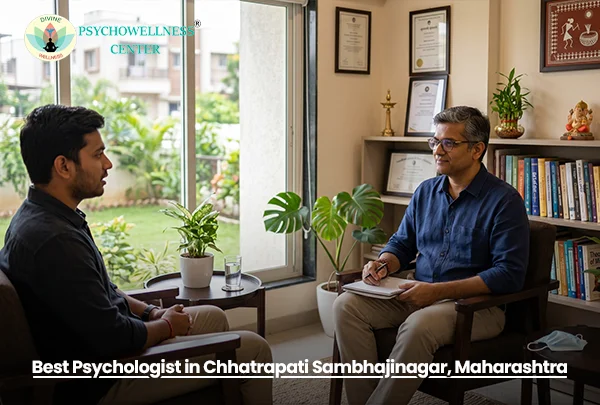
Chhatrapati Sambhajinagar provides children with access to education, healthcare, and diverse social experiences. As they grow, children may face academic pressure, peer concerns, behavioural changes, or emotional difficulties. When these concerns persist, consulting a qualified child psychologist can help families understand the underlying factors and support the child’s emotional, behavioural, and developmental needs.
What Does a Child Psychologist Actually Do?
A child psychologist understands children’s emotional, behavioural, cognitive, and developmental needs using age-appropriate approaches such as play, storytelling, conversations, and psychological assessments. Support may be helpful for concerns such as school adjustment, emotional outbursts, social difficulties, academic challenges, persistent fears, or changes in daily behaviour. Psychologists may also work with parents and teachers to support the child consistently.
How Can Psychological Support Help Children?
Children develop emotional and behavioural skills gradually. Professional intervention can provide them with structured opportunities to understand emotions, communicate their needs, and learn healthier responses to challenging situations.
For example, a child experiencing handling daily pressures may benefit from relaxation exercises, structured routines, problem-solving strategies, and age-appropriate coping skills. A child struggling with emotional worry management may learn how to identify fearful thoughts, understand physical signs of worry, and practise grounding or breathing exercises.
Psychological intervention can also support children who experience peer conflicts, academic difficulties, family changes, or social adjustment concerns. Instead of focusing only on the visible behaviour, psychologists explore possible contributing factors and develop strategies that address the child’s individual needs. Early support may also help children develop confidence, communication skills, emotional awareness, and healthier relationships with caregivers and peers.
Indications That a Child May Require Expert Assistance
Every child may experience mood changes, frustration, or occasional behavioural difficulties. Professional guidance may be considered when concerns persist or affect school, family life, friendships, or daily functioning.
Common signs include:
- Frequent irritability or emotional outbursts
- Persistent fears or excessive worry
- Changes in sleep, appetite, or routines
- Concentration or academic difficulties
- School or social avoidance
- Friendship or communication difficulties
- Aggressive, oppositional, or withdrawn behaviour
- Developmental or learning delays
- Behavioural changes after major life events
A disease is not always indicated by these symptoms. A professional assessment can help identify the underlying emotional, developmental, environmental, or educational factors.
Developmental and Behavioural Support
Children develop at different rates and may sometimes need support with communication, social interaction, attention, learning, or everyday skills. Early assessment can identify areas where additional help may be beneficial. For children with social communication differences, repetitive behaviours, or sensory sensitivities, autism spectrum support may include developmental interventions, communication strategies, and parent guidance. Attention difficulties also require careful assessment, as sleep, anxiety, learning challenges, and other factors can affect concentration.
Supporting Emotional Development at Home
Parents and caregivers can support children’s psychological development by listening without judgment, maintaining routines, setting clear boundaries, and validating emotions. For older children, planning meaningful future targets can break larger goals into manageable steps, while managing feelings effectively can help them recognise triggers and respond constructively to frustration, conflict, and change.
When Should Parents Consider an Assessment?
There is no fixed age to consult a psychologist. An assessment may be helpful when developmental, academic, emotional, or behavioural concerns persist, affect daily functioning, or occur across different settings. The goal is to understand a child’s strengths and difficulties and determine whether intervention, monitoring, educational support, or further evaluation is appropriate.
Choosing the Right Child Psychologist
Families should take into account a child psychologist’s training, experience, therapy style, and familiarity with the kid’s age and concerns when looking for one in their area. A suitable professional should explain the assessment process clearly and create a comfortable, respectful environment. Families seeking a child counsellor may also consider parent guidance, confidentiality, ethical practices, and coordination with other professionals when needed.
Psychological Professionals Supporting Children and Families
- Dr. R. K. Suri:- Dr. R. K. Suri is a senior level clinical psychologist with more than 40 years’ experience in behavioral issues, emotional disturbances, children and adolescent problems, psychological evaluation, and psychotherapy.
- Mrs. Kala Sengupta:- Mrs. Kala Sengupta works with children, adolescents, and families on emotional, behavioural, developmental, and attention-related concerns. Additionally, she helps caregivers comprehend children’s psychological needs and offers family assistance.
- Dr. Kamal Agarwal:- Dr. Kamal Agarwal specialises in child development and occupational therapy, supporting developmental concerns, sensory difficulties, autism-related needs, and skill development through structured activities and caregiver involvement.
- Mr. Utkarsh Yadav :Mr. Utkarsh Yadav uses useful coping mechanisms and confidence-boosting techniques to assist teenagers with emotional issues, decision-making, academic pressure, and personal growth.
- Ms. Sakshi Dhankhar:- Ms. Sakshi Dhankhar is a skilled counselling psychologist who provides evidence-based support to adolescents and adults dealing with anxiety, stress, emotional concerns, relationship issues, and workplace challenges.
- Dr. Sakshi Kochhar:- Dr. Sakshi Kochhar is a psychologist with over 12 years of experience supporting adolescents and young adults. She works with concerns such as anxiety, stress, depression, anger, and relationship difficulties using psychotherapy and cognitive behavioural therapy.
- Mrs. Molly George:- Mrs. Molly George has extensive experience working with children, adolescents, and families facing learning difficulties, emotional concerns, and complex psychological challenges, providing compassionate and supportive care.
- Mrs. Chanchal Agarwal;-A counselling psychologist with 6 years of experience supporting children with behavioural and emotional concerns.
- Siva Tharini:- Siva Tharini is a Psychologist with a Master’s in Counselling and Psychotherapy, supporting stress, anxiety, depression, workplace, family, and interpersonal concerns through evidence-based approaches and psychometric assessments.
- Ms. Preeti Somani:- An RCI-registered Psychologist and Psychotherapist specialising in couple counselling, marital concerns, divorce support, and co-parenting. She uses evidence-based approaches including CBT, REBT, EFT, and ACT to support emotional, relationship, parenting, and trauma-related concerns.
Supporting a Child’s Long-Term Well-Being
Psychological support can help children build lasting skills for emotional communication, problem-solving, handling setbacks, healthy boundaries, and seeking support. Practising mindful awareness techniques through age-appropriate breathing, sensory activities, and focused attention may also support emotional awareness. Child-focused care aims to strengthen confidence, social skills, communication, adaptive behaviour, and family relationships.
Professional Psychological Support in Delhi
Individuals looking for professional psychological support can explore the services at Psychowellness Center. With centres in Janakpuri and Dwarka Sec-17, Delhi, it offers confidential and evidence-based mental health care. For appointments or further information, contact 011-47039812 or 7827208707.
Conclusion
Children may not always clearly express emotional or behavioural difficulties, making attentive observation and timely support important. Persistent changes in behaviour, academics, communication, or social interaction can benefit from professional assessment and early support.
Families in Chhatrapati Sambhajinagar can consider qualified professionals using developmentally appropriate, evidence-based approaches for emotional, behavioural, developmental, academic, or family concerns. Parents seeking Child Counseling Near me, the best child counselling in Delhi, or a qualified child psychologist can evaluate their experience, professional qualifications, assessment methods, and the child’s comfort with the approach. Supportive parenting and practising mindful awareness techniques can further promote healthy development.
Contributions: Dr. R.K. Suri, Clinical Psychologist, and Mr. Harshit Vaid, Counselling Psychologist
Frequently Asked Questions
When should parents consult a child psychologist?
Parents may consider professional support when a child shows persistent changes in behaviour, emotions, learning, communication, social interaction, sleep, or daily functioning. An assessment can help understand the underlying concerns and identify appropriate support.
2. What does a child psychologist do?
A child psychologist evaluates emotional, behavioural, developmental, and learning-related concerns using age-appropriate psychological methods. They may also guide parents and caregivers on strategies that support the child’s overall development.
3. How can parents support a child experiencing emotional difficulties?
Parents can create a supportive environment by listening without immediate judgment, maintaining consistent routines, encouraging healthy communication, and acknowledging the child’s feelings. Professional guidance may be helpful when difficulties continue or interfere with daily life.
Can psychological assessment help identify developmental concerns?
Yes. A comprehensive assessment can provide information about a child’s cognitive, emotional, behavioural, social, and developmental functioning. It can help parents and professionals understand the child’s individual strengths and areas requiring additional support.
References
- American Academy of Child and Adolescent Psychiatry. (2013). Children who can’t pay attention/ADHD (Facts for Families No. 6). https://www.aacap.org/
- American Psychological Association. (2019). Anxiety in children. https://www.apa.org/
- American Psychological Association. (n.d.). Parenting. https://www.apa.org/topics/parenting
- Centers for Disease Control and Prevention. (2024). Developmental milestones. U.S. Department of Health and Human Services. https://www.cdc.gov/
- National Institute of Mental Health. (n.d.). Child and adolescent mental health. U.S. Department of Health and Human Services. https://www.nimh.nih.gov/