
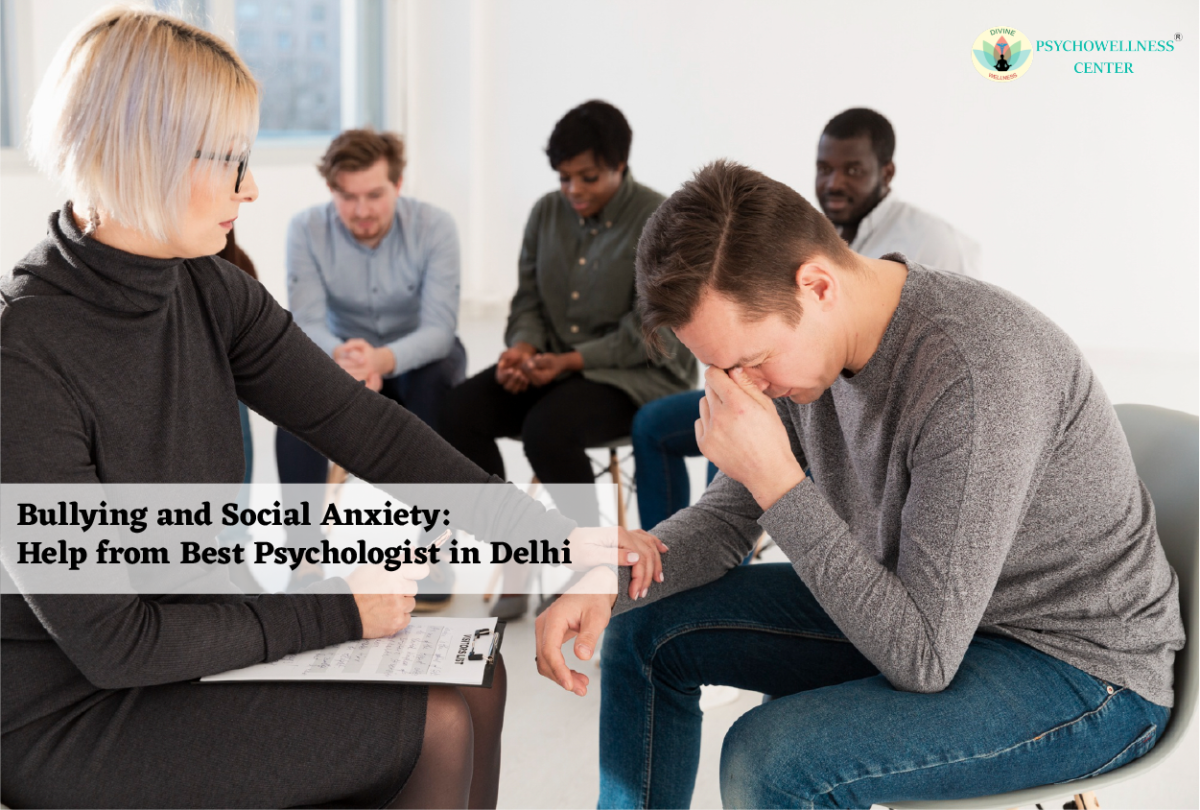
Bullying is often dismissed as a common part of growing up, something children and teenagers are expected to “toughen up” and overcome. Yet for many individuals, the emotional scars left by bullying can linger long after the incidents themselves have ended. Repeated teasing, exclusion, humiliation, or intimidation can deeply affect a person’s self-worth and sense of safety in social situations. Over time, these experiences may lead to persistent fear of judgment, embarrassment, or rejection, symptoms that are closely connected to social anxiety. Understanding the relationship between bullying and social anxiety is essential because early recognition and psychological support can help individuals rebuild confidence and restore emotional well-being.
Understanding Bullying and Its Emotional Impact
Bullying can occur in many environments schools, workplaces, social circles, and increasingly online platforms. What makes bullying particularly harmful is its repetitive nature and the power imbalance involved. Victims may feel trapped, believing they have little control over the situation. As the negative experiences accumulate, individuals may begin to internalize the hurtful messages they receive, gradually developing Low Self-Confidence and questioning their own worth.
This internalization can create a cycle where fear of humiliation or rejection leads to withdrawal from social settings. Victims may begin avoiding conversations, group activities, or even eye contact with others because they anticipate criticism or ridicule. Over time, the emotional wounds of bullying become deeply intertwined with a person’s sense of identity and self-worth.
The Link Between Bullying and Social Anxiety
For many individuals who have experienced bullying, the emotional impact goes beyond temporary sadness or embarrassment. Repeated negative interactions can lead to heightened self-consciousness, excessive worry about others’ opinions, and avoidance of social interactions. These experiences often contribute to Social Anxiety, a condition where individuals feel intense fear or discomfort in situations where they may be judged, criticized, or embarrassed.
Simple daily interactions such as speaking in class, participating in meetings, or attending social gatherings may trigger intense nervousness. Individuals with social anxiety often anticipate negative outcomes before situations even occur, which reinforces avoidance behaviors. Unfortunately, avoidance prevents them from experiencing positive social interactions that could challenge these fears.
Emotional and Psychological Effects of Bullying
Bullying not only affects confidence; it can influence multiple aspects of mental health. Persistent stress from negative social experiences may contribute to anxiety and depression, where individuals experience both anxious thoughts and low mood. Feelings of shame, loneliness, and hopelessness may emerge, particularly when individuals believe they cannot escape the negative perceptions imposed by others.
In many cases, victims withdraw from social environments altogether, leading to social isolation. As social circles shrink and opportunities for connection decrease, feelings of loneliness may intensify. This isolation can further reinforce negative beliefs about oneself and make it more difficult to rebuild confidence.
Academic and Professional Consequences
The impact of bullying often extends beyond emotional distress and begins affecting everyday functioning. Students who are bullied may struggle with concentration, participation, and academic motivation. Fear of embarrassment may prevent them from asking questions in class or engaging in group activities.
Similarly, adults who experience bullying in professional environments may face Work or school problems, such as reduced productivity, difficulty collaborating with colleagues, or increased absenteeism. The stress of anticipating negative interactions can make work environments feel unsafe, leading to exhaustion and decreased motivation.
Trauma and Long-Term Mental Health Risks
For some individuals, prolonged exposure to bullying may lead to deeper psychological distress. When experiences involve repeated humiliation, threats, or emotional abuse, the effects may resemble symptoms of post-traumatic stress disorder. Individuals may relive distressing memories, feel constantly alert to potential threats, or experience intense anxiety when reminded of past events.
These reactions are the mind’s way of protecting itself from perceived danger, but they can interfere with daily life and relationships if left unaddressed. Recognizing these signs early allows individuals to seek support before the distress becomes overwhelming.
Therapeutic Approaches for Healing
Professional child counselling can play a transformative role in helping individuals process bullying experiences and rebuild emotional resilience. Evidence-based approaches such as Cognitive-behavioral therapy help individuals identify negative thought patterns that developed during bullying experiences. Through guided exercises, individuals learn to challenge self-critical beliefs and replace them with healthier, more realistic perspectives.
Another effective approach is Dialectical behavioural therapy, which focuses on emotional regulation and resilience. DBT teaches individuals how to tolerate distress, manage intense emotions, and practice mindfulness. These skills are particularly helpful for individuals who feel overwhelmed by anxiety during social interactions.
Therapy sessions also provide a safe and supportive environment where individuals can openly discuss their experiences without fear of judgment. This validation alone can be incredibly empowering for those who have long felt misunderstood or dismissed.
Rebuilding Confidence and Social Connections
Healing from bullying involves more than managing anxiety, it also requires rebuilding trust in oneself and in others. Therapy often includes exercises that encourage individuals to practice communication skills and develop healthier perspectives about relationships.
A key focus is learning how to establish healthy relationships and boundaries. Individuals who have been bullied may struggle to assert themselves or may fear confrontation. Through counselling, they learn how to express their needs respectfully and recognize when a relationship is supportive or harmful.
Gradually, these skills help individuals regain confidence in their ability to form meaningful and respectful connections.
The Importance of Self-Care and Support
In addition to therapy, daily self-care practices play a significant role in emotional recovery. Activities such as mindfulness meditation, physical exercise, journaling, and relaxation techniques can reduce stress and improve emotional control.
Support from friends, family, and mentors also makes a meaningful difference. When individuals feel heard and validated, it reinforces the idea that they are not alone in their experiences. Creating supportive communities-whether in schools, workplaces, or social groups- helps prevent bullying and encourages empathy.
Over time, these combined efforts help individuals reclaim their sense of self-worth and develop greater emotional resilience.
Learn more –
https://youtube.com/shorts/_dnGOmhVs7A?si=wIdx-PJhIHSblIBO
https://youtube.com/shorts/86Np_tvVwCs?si=p6S3lDGQqKTlYbFG
Conclusion
The effects of bullying can extend far beyond the moment it occurs, shaping how individuals view themselves and interact with the world. Persistent negative experiences can lead to Social Anxiety, low self-esteem, and emotional distress that interfere with relationships, education, and career development. However, healing is possible with the right support, awareness, and professional guidance.
Professional counselling provides individuals with practical tools to challenge negative beliefs, manage anxiety, and rebuild confidence. Through evidence-based approaches, individuals can learn to regulate their emotions, gradually face feared social situations, and develop healthier coping mechanisms. These therapeutic approaches help people replace self-critical thoughts with self-compassion and strengthen their ability to form supportive social connections.
Seeking help is a courageous step toward reclaiming emotional well-being. Whether someone begins by searching for the best child psychologist near me or exploring professional counselling options, reaching out for support can open the door to healing and personal growth. At Psychowellness Center, individuals experiencing the psychological effects of bullying can receive compassionate care and professional support. The center offers psychological counselling near me services designed to help individuals overcome emotional challenges, manage anxiety, and rebuild resilience. Additionally, platforms like TalktoAngel connect individuals with the Best Psychologist in India, making professional mental health support from the best child psychologists in Delhi NCR accessible through online therapy. With the right guidance and encouragement, individuals can move beyond the pain of bullying, rediscover their confidence, and build a life defined by strength rather than fear.
The Psychowellness Center (Contact: 011-47039812 / 7827208707), both located in Dwarka Sector-17 and Janakpuri, New Delhi, provide specialised therapeutic care through personalised counselling approaches that address emotional regulation, stress management, and overall well-being.
Contribution: Dr. R.K. Suri, Clinical Psychologist, and Ms. Arushi Srivastava, Counselling Psychologist
References
American Psychiatric Association. (2022). Diagnostic and statistical manual of mental disorders (5th ed., text rev.). American Psychiatric Publishing.
Beidel, D. C., & Turner, S. M. (2014). Social anxiety disorder: A guide to assessment and treatment. Routledge.
Hawker, D. S. J., & Boulton, M. J. (2000). Twenty years’ research on peer victimization and psychosocial maladjustment. Journal of Child Psychology and Psychiatry, 41(4), 441–455.
https://www.psychowellnesscenter.com/Blog/why-do-i-feel-socially-anxious/
https://www.psychowellnesscenter.com/Blog/helping-children-navigate-bullying-and-social-rejection/
https://www.psychowellnesscenter.com/Blog/reasons-behind-school-anxiety-and-school-avoidance/
https://www.psychowellnesscenter.com/Blog/recognizing-the-signs-of-bullying-in-teens/
https://www.psychowellnesscenter.com/Blog/what-triggers-anxiousness-in-children/
Olweus, D. (2013). Bullying at school: What we know and what we can do. Wiley-Blackwell.
Spence, S. H., & Rapee, R. M. (2016). The etiology of social anxiety disorder: An evidence-based model. Behaviour Research and Therapy, 86, 50–67.