
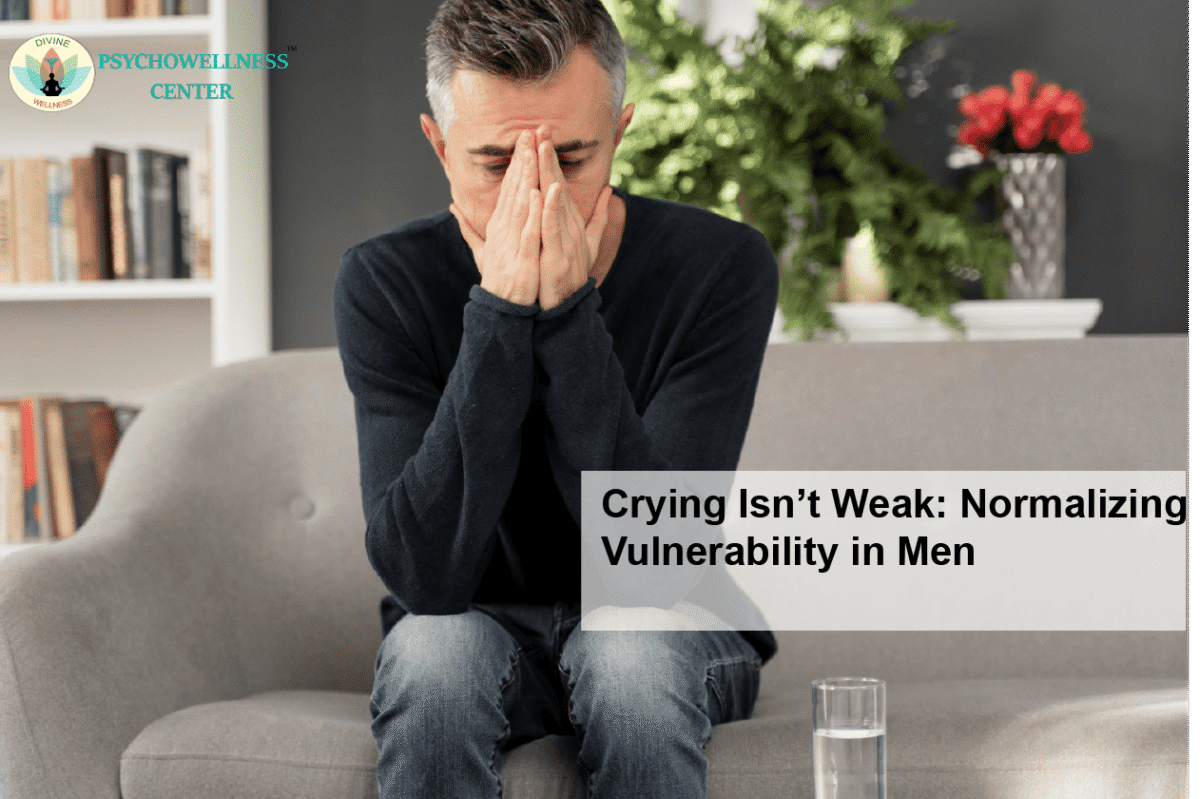
In many societies around the world, traditional gender norms have long dictated that men must be stoic, strong, and unemotional. From a young age, boys are often taught to “man up,” “toughen up,” or “don’t cry.” While such messages are usually well-intentioned, they contribute to the dangerous myth that expressing vulnerability is a sign of weakness. This cultural conditioning can prevent men from acknowledging and processing emotions, which may affect their mental health, relationships, and overall well-being. It is time to challenge these stereotypes and normalize vulnerability, especially crying, as a healthy, human response to emotions.
Understanding Emotional Suppression in Men
Emotional suppression is the deliberate inhibition of feelings, often due to social pressures or fear of judgment. Men who grow up internalizing the belief that “men don’t cry” may avoid expressing sadness, fear, grief, or anxiety. Over time, suppressing emotions can lead to chronic stress, depression, and a sense of emotional disconnection.
Studies have shown that men are less likely than women to seek professional mental health support, partly because expressing vulnerability is stigmatized. They may rely on unhealthy coping strategies such as substance use, overworking, or aggressive behavior to manage emotional pain. Crying, on the other hand, is a natural and adaptive emotional response that helps relieve stress, regulate emotions, and restore balance.
The Science of Crying
Crying is not just a symbolic expression of sadness; it has physiological and psychological benefits. Emotional tears contain stress hormones and toxins, which may help the body reduce stress levels. Crying also stimulates the production of endorphins, which can improve mood and create a sense of relief. Psychologists emphasize that crying is a universal human response to intense emotions, whether sadness, frustration, relief, or joy.
Despite these benefits, societal norms often frame male crying as unmanly. Men may avoid crying in front of peers, family, or colleagues to maintain a façade of strength. Unfortunately, this repression can lead to emotional numbness, difficulty forming deep relationships, and even physical health consequences such as high blood pressure or sleep disturbances.
Vulnerability as a Strength
Contrary to outdated beliefs, vulnerability is not a weakness; it is a form of emotional strength. Being able to acknowledge and express one’s feelings demonstrates self-awareness, courage, and authenticity. Vulnerable men are often better equipped to form meaningful connections, empathize with others, and manage stress in healthy ways.
Psychologist Brené Brown, a leading researcher on vulnerability, argues that embracing vulnerability fosters resilience and deeper, more meaningful relationships. By being open about their emotions, men can break free from the rigid confines of toxic masculinity, cultivate empathy, and model healthy emotional expression for younger generations.
Breaking Stereotypes in Family and Work Settings
Changing perceptions around male vulnerability requires support from families, communities, and workplaces. In families, parents can model healthy emotional expression by encouraging boys to share feelings openly. Phrases such as “It’s okay to feel sad” or “You can cry if you need to” help normalize emotional experiences from an early age.
In workplaces, leaders can foster environments that prioritize psychological safety and emotional well-being. Encouraging open conversations about stress, burnout, or mental health challenges helps employees feel validated and supported. Men who see their peers and superiors express vulnerability without judgment are more likely to follow suit, reducing stigma and promoting collective well-being.
Mental Health Implications
Suppressing emotions can contribute to serious mental health challenges. Men with untreated emotional distress are at higher risk for depression, anxiety, substance abuse, and suicidal ideation. According to the World Health Organization, suicide rates among men are significantly higher than women in many countries, often linked to unexpressed emotional pain.
Counselling and therapy provide safe spaces for men to explore and process emotions without fear of judgment. Professional support can teach coping strategies, emotional control techniques, and ways to integrate vulnerability into daily life. Men who engage in therapy often report improved self-esteem, healthier relationships, and a stronger sense of purpose.
Healthy Ways for Men to Express Emotions
Crying is just one of many ways men can express emotions. Other healthy practices include:
- Journaling: Writing down thoughts and feelings helps process emotions and identify patterns.
- Physical Activity: Exercise can reduce stress, improve mood, and provide a safe outlet for pent-up emotions.
- Mindfulness and Meditation: Mindful practices encourage self-awareness and acceptance of feelings.
- Open Conversations: Sharing feelings with trusted friends, partners, or family normalizes emotional expression.
- Creative Outlets: Art, music, or other creative pursuits allow men to express emotions safely and constructively.
Integrating these practices into daily life fosters emotional literacy and resilience, helping men navigate challenges more effectively.
Redefining Masculinity
Redefining masculinity involves shifting societal norms to recognize that strength and vulnerability are not mutually exclusive. True strength lies in acknowledging one’s feelings, seeking support when needed, and forming authentic connections. Men who cry, express sadness, or ask for help are demonstrating courage, self-awareness, and emotional intelligence, not weakness.
By challenging the notion that men must be invulnerable, society can reduce mental health stigma, improve well-being, and create environments where everyone feels safe to express their emotions. Normalizing crying and vulnerability in men is not just a personal benefit; it has far-reaching positive effects on families, workplaces, and communities.
The Role of Professional Support
Professional counselling can be a powerful tool in helping men embrace vulnerability. Therapists near me provide a judgment-free environment where men can explore their emotions, address internalized beliefs about masculinity, and develop healthier coping strategies. Therapy also helps men understand the connection between emotions and physical health, manage stress, and build stronger interpersonal relationships.
Online and offline mental health services make access to support more convenient, especially for men who may feel reluctant to seek help in person. Early intervention and consistent support can significantly improve emotional well-being, resilience, and life satisfaction.
Conclusion: Psychowellness Center for Men’s Mental Health
Breaking the stigma around male vulnerability begins with education, awareness, and access to professional support. Psychowellness Center is a trusted mental health clinic in India, providing specialized counselling services for men seeking to embrace their emotions in a safe and supportive environment. Their team of experienced psychologists is trained in evidence-based therapies such as cognitive-behavioral therapy (CBT), mindfulness, and stress management techniques. By offering both online and offline counselling, Psychowellness Center provides the best psychologists in Delhi NCR for personalized care tailored to individual needs, helping men understand their emotions, reduce stress, and build resilience. Connecting with Psychowellness Center can be a transformative step toward normalizing vulnerability, improving mental health, and fostering a more authentic, balanced, and fulfilling life.
Additionally, TalktoAngel is an accessible online counselling India platform connecting individuals with qualified psychologists for confidential emotional support. Call/WhatsApp: 011-47039812 / 7827208707.. Connecting with professional support from the best psychologists in India can be a transformative step toward normalizing vulnerability, improving mental health, and fostering a more authentic, balanced, and fulfilling life.
Contribution: Dr. R.K. Suri, Clinical Psychologist, and Ms. Riya, Counselling Psychologist
References
- American Psychiatric Association. (2022). Diagnostic and statistical manual of mental disorders (5th ed., text rev.). American Psychiatric Association.
- Brown, B. (2012). Daring greatly: How the courage to be vulnerable transforms the way we live, love, parent, and lead. Gotham Books.
- Mahalik, J. R., Burns, S. M., & Syzdek, M. (2007). Masculinity and perceived normative health behaviors as predictors of men’s health behaviors. Social Science & Medicine, 64(11), 2201–2209. https://doi.org/10.1016/j.socscimed.2007.02.035
- Seidler, Z. E., Dawes, A. J., Rice, S. M., Oliffe, J. L., & Dhillon, H. M. (2016). The role of masculinity in men’s help-seeking for depression: A systematic review. Clinical Psychology Review, 49, 106–118. https://doi.org/10.1016/j.cpr.2016.09.002
- Mental health, Relationships, Grief, Anxiety, Stress, Depression, Substance use, Sleep, Resilience, Workplaces, Burnout, Self-esteem, CBT, Mindfulness, Psychologists