
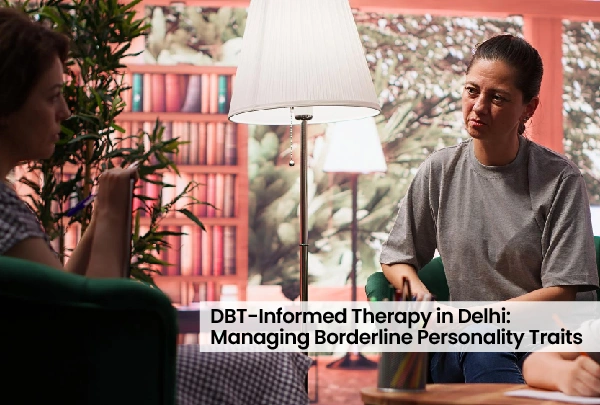
Individuals experiencing borderline personality traits often live with intense emotions, unstable relationships, and impulsive behaviors. They struggle with challenges such as rapid mood changes, fear of abandonment, unstable relationship patterns, and difficulties with emotional control. All of these can affect personal well-being, family dynamics, work performance, and long-term mental health.
As awareness seems to grow around mental health, many individuals have started seeking support from a psychologist in Delhi NCR or consulting the best psychologists in Delhi for specialized therapeutic interventions. DBT-informed therapy has emerged as the most effective approach for managing borderline personality traits.
Understanding Borderline Personality Disorder (BPD)
Borderline Personality Disorder (BPD) is characterized by persistent patterns of emotional instability, impulsive behavior, unstable self-image, and difficulties in maintaining relationships. It exists on a spectrum, and many experience similar emotional and behavioral patterns without a formal diagnosis.
The common characteristics include:
- Intense mood swings
- Difficulty with emotional control
- Impulsive decision-making
- Frequent anger outbursts
- Self-destructive coping behaviors
- Identity confusion
- Difficulty maintaining a healthy boundary
These traits often develop due to a combination of genetic, neurological, and environmental factors. Experiences such as emotional abuse, childhood trauma, neglect, or unstable family environments may increase vulnerability, although not everyone with these experiences develops borderline personality traits. i
How Borderline Personality Disorder Traits Affect an Individual
Having borderline personality traits influences multiple aspects of an individual’s life, making everyday situations emotionally exhausting.
- Emotional Well-Being: Rapid emotional shifts, triggered by minor stressors, can cause intense outbursts, chronic stress, and guilt, ultimately reducing self-confidence and leading to struggles with emotional control.
- Impact on Self-Identity and Thinking Patterns: Borderline traits often cause an unstable sense of self and identity crisis, which complicates life decisions and intensifies self-doubt.
- Relationships: Maintaining stable relationships may become difficult due to fear of abandonment, emotional sensitivity, and impulsive reactions. Individuals often struggle with romantic relationship challenges, family problems, and interpersonal struggles that often reinforce feelings of loneliness and emotional distress.
- Social and Interpersonal Challenges: Over time, these traits can lead to withdrawal from social activities, fear of judgment, and reduced participation in group settings, making it harder to cope with daily stressors.
- Daily Functioning: Impairment in work and academic functioning through emotional overwhelm, sleep problems, and increased emotional sensitivity may further contribute to burnout and difficulties in daily functioning.
Understanding Dialectical Behavior Therapy
Dialectical Behavior Therapy (DBT) is a structured, evidence-based form of psychotherapy developed specifically to help individuals who experience intense emotional dysregulation, particularly those with Borderline Personality Disorder. DBT teaches accepting oneself while also working towards meaningful change and helps individuals respond to difficult emotions more effectively.
DBT typically includes four core skill areas:
- Mindfulness: It teaches individuals to become aware of their thoughts, emotions, and physical sensations without immediately reacting to them. This helps reduce impulsive behaviors and improves emotional awareness.
- Distress Tolerance: Instead of reacting impulsively during emotional crises, individuals learn healthier coping techniques that allow them to tolerate distress safely.
- Emotion Regulation: This aspect helps people understand emotional triggers, reduce emotional sensitivity, and respond to situations in more balanced ways.
- Interpersonal Effectiveness: DBT strengthens communication skills, improves assertiveness, encourages respectful conflict resolution, and helps individuals establish healthier relationships while maintaining appropriate boundaries.
Reasons Why DBT Is Used in Borderline Personality Disorder
DBT has become one of the most recommended treatments for Borderline Personality Disorder because it directly addresses the main difficulties associated with emotional dysregulation.
- It helps manage intense emotions by teaching individuals how to understand, regulate, and express emotions in healthier ways.
- It reduces impulsive behaviors by learning practical strategies to pause before reacting, reducing behaviors that may negatively affect relationships, workplace stress, or personal safety.
- It improves relationships by strengthening communication skills and encouraging emotional awareness.
- It encourages self-acceptance by supporting meaningful personal growth, emotional change, and self-improvement.
- It supports co-occurring mental health conditions by improving skills that often contribute to improvements across multiple areas of mental health.
Benefits of DBT-Informed Therapy
Choosing DBT-informed therapy in Delhi offers several long-term emotional and psychological benefits that include:
- Better emotional regulation – Individuals become more capable of managing overwhelming emotions without feeling controlled by them.
- Healthier relationships – Improved communication, emotional awareness, and conflict management contribute to stronger family, romantic, and social relationships.
- Increases resilience – DBT helps people build emotional resilience, allowing them to recover more effectively from setbacks and life transitions.
- Reduced stress and anxiety – By learning structured coping strategies, individuals often experience lower levels of stress, reduced anxiety, and greater emotional stability.
- Improved self-awareness – Through mindfulness and reflective practices, individuals develop a deeper understanding of their emotional patterns and behavioral responses.
- Stronger healthy boundaries – DBT encourages the development of healthy boundary practices, helping individuals create balanced relationships without sacrificing their emotional needs.
- Better quality of life – As emotional regulation improves, there is an improvement in work performance and greater overall life satisfaction.
Conclusion
Seeking support for Borderline Personality Disorder (BPD) traits is an important step toward gaining emotional balance, improving relationships, and enhancing overall well-being. Here at Psychowellness Center, experienced mental health professionals provide DBT-informed, evidence-based therapy, mindfulness practices, and personalised interventions to help individuals develop emotional regulation, healthier coping strategies, and greater resilience.
If you are struggling with emotional instability, relationship issues, anxiety, depression, or stress, professional support can help you build the skills needed for lasting psychological well-being. The offline centres are located at Janakpuri and Dwarka, Sector-17 (011-47039812 / 7827208707). Moreover, you can be guided by the best psychologists in Delhi-NCR, best counselors in Dwarka, and psychological counseling near me for “DBT therapy near me”.
Every step taken by seeking support is a step towards positive change. With evidence-based DBT-informed therapy and guidance from experienced mental health professionals, individuals can better understand their emotions, develop healthier coping mechanisms, and build stronger relationships.
Contributions: Dr. R.K. Suri, Clinical Psychologist, and Ms. Vandana Krishnan, Counselling Psychologist
FAQs
- What is DBT-informed therapy?DBT-informed therapy helps individuals manage intense emotions, impulsivity, distress, and relationship difficulties through practical coping skills.
- Is DBT effective for BPD?Yes. DBT is an evidence-based therapy widely used to manage Borderline Personality Disorder and emotional dysregulation.
- What are the four core DBT skills?The four core skills are mindfulness, distress tolerance, emotion regulation, and interpersonal effectiveness.
- Can DBT help with relationship problems?Yes. DBT can improve communication, emotional control, conflict management, and healthy boundary-setting.
- Where can I get DBT-informed therapy in Delhi?DBT-informed therapy is available at Psychowellness Center’s Janakpuri and Dwarka Sector-17 centres.
References
National Institute for Health and Care Excellence. (2009). Borderline personality disorder: Recognition and management (Clinical Guideline CG78). https://www.nice.org.uk/guidance/cg78
Linehan, M. M. (1993). Cognitive-behavioral treatment of borderline personality disorder. Guilford Press.
https://www.psychowellnesscenter.com/Blog/cbt-and-dbt-therapy-for-trauma-survivors/
https://www.psychowellnesscenter.com/Blog/therapies-for-dysfunctional-behaviours-in-teenagers/
https://www.psychowellnesscenter.com/Blog/counselling-in-delhi-for-dysregulated-self-image-in-bpd/