
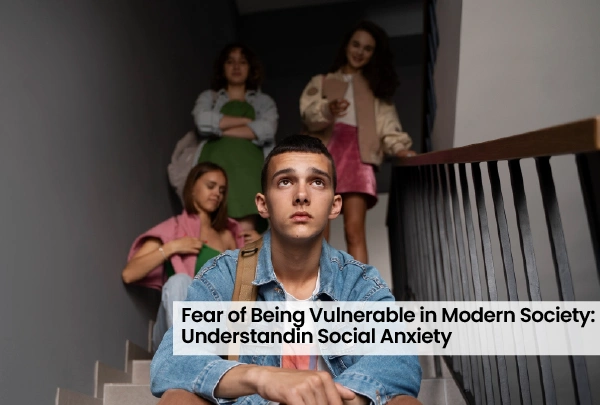
In today’s fast-paced, digitally connected world, people are more visible than ever before. Social media, professional networking platforms, and constant online interactions have made communication easier, but they have also increased the fear of being judged. Many individuals feel pressured to appear confident, successful, and emotionally strong, which can make vulnerability seem like a weakness. As a result, people often hide their true emotions, avoid expressing themselves, and struggle with social anxiety.
The fear of being vulnerable is closely connected to social anxiety. While everyone experiences nervousness in certain social situations, social anxiety goes beyond occasional shyness. It involves an intense fear of being negatively evaluated, criticized, or embarrassed in front of others, often leading individuals to avoid social interactions altogether. Understanding this connection is the first step toward overcoming it and developing healthier relationships.
What Does It Mean to Be Vulnerable?
Vulnerability refers to the willingness to express one’s authentic thoughts, emotions, fears, and experiences despite the possibility of rejection or criticism. It means allowing yourself to be seen as you truly are rather than hiding behind a carefully created image.
Being vulnerable may involve:
- Sharing personal feelings with a trusted friend.
- Asking for help during difficult times.
- Expressing disagreement respectfully.
- Admitting mistakes or uncertainties.
- Setting healthy emotional boundaries.
Unfortunately, modern society often equates vulnerability with weakness. Many people grow up believing they must always appear strong, independent, and emotionally controlled. This belief creates emotional barriers that can contribute to loneliness and anxiety.
Understanding Social Anxiety
Social anxiety disorder is more than simply being shy. It is a mental health condition characterized by persistent fear of social or academic performance situations where an individual believes they may be judged, criticized, or embarrassed. This fear often causes significant distress and interferes with daily functioning.
Individuals with social anxiety may experience:
- Excessive worry before social events.
- Fear of speaking in meetings or classrooms.
- Difficulty initiating conversations.
- Avoidance of social gatherings.
- Fear of eating or performing tasks in front of others.
- Constant concern about making mistakes.
- Physical symptoms such as sweating, trembling, blushing, nausea, or rapid heartbeat.
Many people recognize that their fears are exaggerated, yet they find it difficult to control their anxiety.
Why Is Vulnerability So Difficult Today?
Several societal factors have made vulnerability increasingly challenging.
- Social Media Comparison: People usually share only the highlights of their lives online. Constant exposure to carefully curated images creates unrealistic expectations, making individuals feel they must hide their imperfections.
- Fear of Negative Judgment:- Modern society often emphasizes achievement, appearance, and success. Many individuals worry that revealing emotional struggles will cause others to perceive them as weak or incompetent.
- Perfectionism:- Perfectionism encourages individuals to believe that mistakes are unacceptable. This mindset increases anxiety and discourages authentic self-expression.
- Past Experiences:- Bullying, criticism, rejection, or emotionally invalidating environments during childhood or adulthood may teach individuals that expressing emotions is unsafe.
- Workplace and Academic Pressure:- Competitive environments often reward confidence and performance, causing many people to suppress vulnerability to avoid appearing incapable.
The Connection Between Vulnerability and Social Anxiety
The fear of vulnerability often fuels social anxiety. Individuals begin to believe that if others see their authentic selves, they will be rejected or humiliated.
This creates a cycle:
Fear of Judgment → Avoidance → Temporary Relief → Increased Anxiety → More Avoidance
Over time, avoiding conversations, presentations, networking events, or social gatherings reinforces the belief that these situations are dangerous. Cognitive-behavioral models describe fear of negative evaluation as a central feature of social anxiety.
Common Signs That Fear of Vulnerability May Be Affecting You
You may struggle with vulnerability if you:
- Constantly overthink conversations after they end.
- Find it difficult to express emotions openly.
- Avoid asking questions because you fear appearing “stupid.”
- Seek constant reassurance from others.
- Hide your opinions to avoid disagreement.
- Feel exhausted after social interactions due to excessive self-monitoring.
- Avoid forming close relationships despite wanting meaningful connections.
Recognizing these patterns is an important step toward personal growth.
How to Overcome the Fear of Being Vulnerable
Although overcoming social anxiety takes time, several evidence-based strategies can help.
- Practice Self-Compassion
Give yourself the same consideration as you would a dear friend. Accept that making mistakes is a normal part of being human.
2. Challenge Negative Thoughts
Ask yourself:
- What evidence supports this fear?
- Am I assuming others are judging me?
- What is the most realistic outcome?
Replacing automatic negative thoughts with balanced thinking reduces anxiety over time.
3. Take Small Steps
Start with manageable situations:
- Smile at someone.
- Ask a simple question.
- Share one personal opinion.
- Participate briefly in group discussions.
Gradual exposure helps build self-confidence and reduces fear.
4. Accept Imperfection
Nobody communicates perfectly. Authenticity often creates stronger relationships than perfection ever could.
5. Build Supportive Relationships
Spend time with people who listen without judgment. Vulnerability can develop organically when there is emotional safety.
Seek Professional Help
If social anxiety significantly affects work, education, or relationships, consulting a mental health professional can be highly beneficial. Treatments such as Cognitive Behavioral Therapy (CBT), exposure-based interventions, mindfulness techniques, and Acceptance and Commitment Therapy (ACT) have demonstrated effectiveness in reducing symptoms of social anxiety.
When Should You Seek Help?
Professional support may be necessary if:
- Social anxiety interferes with work or academics.
- You frequently avoid important opportunities.
- Relationships are affected by fear of interaction.
- Anxiety causes panic attacks or severe emotional distress.
- Feelings of isolation continue despite wanting social connection.
Early intervention can prevent symptoms from becoming more severe and significantly improve overall quality of life.
How Psychowellness Center Can Help
At Psychowellness Center, the best experienced psychologists in Delhi, psychological counseling near me, and best counselors near me and mental health professionals provide comprehensive assessment and evidence-based treatment for social anxiety, anxiety disorders, low self-esteem, stress, and emotional difficulties. Therapy focuses on helping individuals understand their fears, develop healthier coping strategies, improve communication skills, and build genuine self-confidence in a safe, supportive environment.
You can visit our clinics at:
Psychowellness Center – Janakpuri
Phone: 7827208707
Psychowellness Center – Dwarka Sector 17
Phone: 011-47039812
Seeking professional support is not a sign of weakness; it is a courageous step toward emotional well-being and authentic living.
Conclusion
In a society that often rewards perfection and confidence, vulnerability can feel uncomfortable. Yet genuine human connection begins when we allow ourselves to be authentic. The fear of vulnerability may contribute to social anxiety, but it does not have to define your life. By understanding your thoughts, challenging self-critical beliefs, practicing gradual exposure, and seeking professional guidance when needed, you can build resilience, strengthen relationships, and experience greater emotional freedom.
Contributions: Dr. R.K. Suri, Clinical Psychologist, and Ms. Sakshi Dhankhar, Counselling Psychologist
References
- American Psychological Association. (2018). APA Dictionary of Psychology: Social anxiety. https://dictionary.apa.org/social-anxiety
- Heimberg, R. G., Hofmann, S. G., Liebowitz, M. R., Schneier, F. R., Smits, J. A. J., Stein, M. B., … & Craske, M. G. (2014). Social anxiety disorder in DSM-5. Depression and Anxiety, 31(6), 472–479.
- National Institute of Mental Health. (2024). Social anxiety disorder: More than just shyness. https://www.nimh.nih.gov/health/publications/social-anxiety-disorder-more-than-just-shyness