
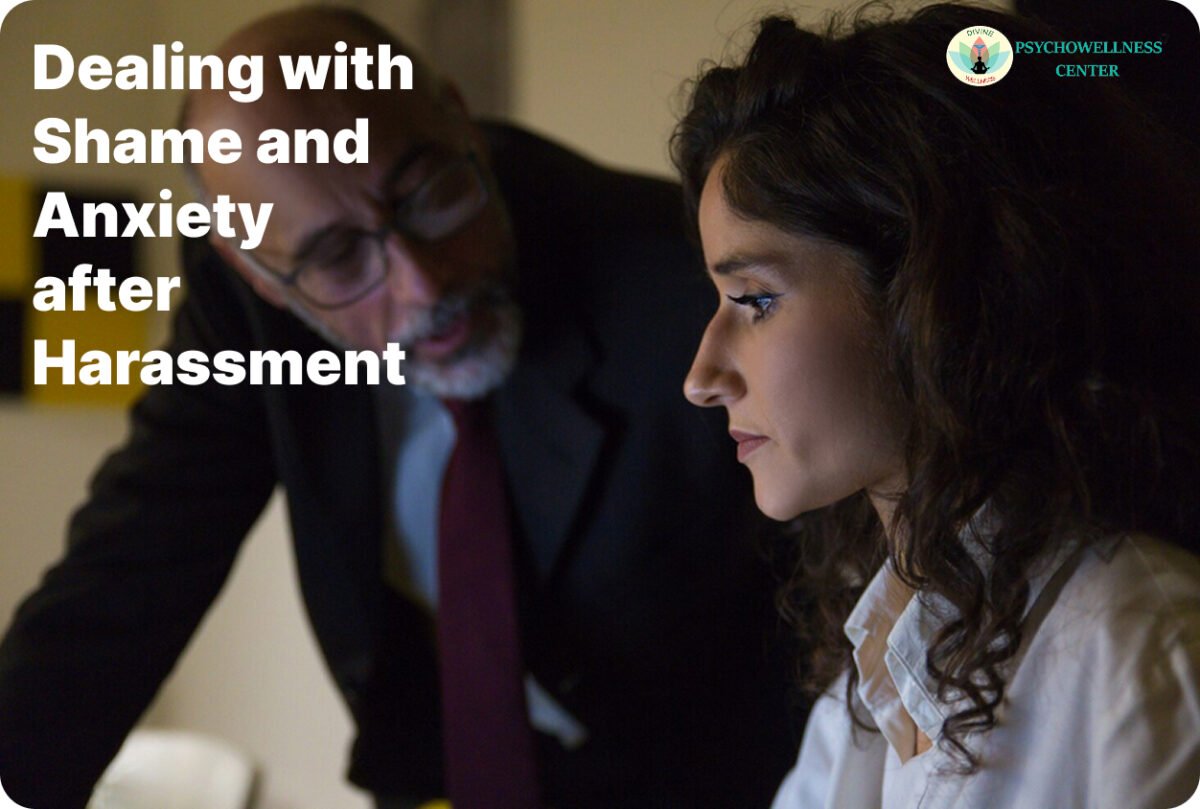
Experiencing harassment whether in the workplace, at home, online, or in public can leave deep emotional marks. Many people struggle with overwhelming feelings of shame and anxiety, wondering if they somehow invited or deserved the mistreatment. These reactions are normal but deeply painful, and they often interconnect with other challenges such as stress, rumination, self-doubt, and fear. Healing is possible, but it requires compassion, support, and time.
In this blog, we’ll explore how harassment affects mental and emotional well-being, why shame and fear linger long after the event, and how you can rebuild your sense of safety and confidence.
Understanding Emotional Reactions After Harassment
Harassment is not just an unpleasant experience; it is a violation of personal boundaries and safety. This can trigger intense responses such as humiliation, guilt, or a sudden shift in self-perception. People often report symptoms similar to depression, including withdrawal, hopelessness, and fatigue.
In some cases, individuals turn to temporary coping mechanisms that can escalate into addiction, believing it will numb the emotional pain. Others experience bursts of irritability or anger as their mind tries to process the injustice. These reactions aren’t signs of weakness, they are reflections of how deeply harassment disrupts a person’s emotional world.
For those with pre-existing conditions like Bipolar disorder, harassment can intensify mood swings, making emotional regulation even harder. Situations involving repeated targeting can feel similar to bullying, leaving someone feeling small, insecure, or powerless.
The Ripple Effects on Daily Life
Harassment doesn’t stay locked in the moment it spreads across multiple areas of life. Many people find their professional life destabilised, creating career issues such as decreased performance, absenteeism, or fear of returning to triggering environments.
Physical and emotional reactions often coexist. Some develop chronic pain, headaches, or digestive issues due to the ongoing tension. Survivors of harassment may also experience emotional abuse afterwards, especially if the perpetrator downplays or denies what happened.
At home, unresolved distress can strain relationships and worsen family problem dynamics. When someone feels misunderstood or unsupported, deep loneliness can take root. It becomes harder to talk openly, harder to trust, and harder to feel seen.
Even everyday situations can become overwhelming. People may develop specific phobia-like reactions fear of certain places, voices, or social settings. Harassment can shake a person’s confidence so strongly that physical health begins to decline, sleep becomes disturbed, and the mind feels trapped in loops of fear or uncertainty.
One of the most common effects is disrupted sleep, with nightmares, restlessness, or insomnia becoming frequent. Many also develop social anxiety, worrying about being judged, targeted, or embarrassed again in public settings.
Harassment can distort the way a person sees themselves. Changes in body image may occur because shame damages self-esteem. People also experience a deep lack of motivation, making even small tasks feel overwhelming.
Burnout and the Emotional Toll
When someone tries to carry the emotional weight alone, it can lead to burnout, a state of mental and emotional exhaustion. Survivors often push themselves to “move on,” without addressing the pain underneath. However, ignoring painful memories often leads to lower emotion control, leaving people vulnerable to sudden emotional waves.
Harassment can trigger a powerful fear of missing out, especially when people avoid social gatherings or opportunities due to anxiety or shame. Meanwhile, peer pressure can make it difficult to speak up, especially when the harasser is someone in a position of power or influence.
Over time, withdrawal becomes easier than engagement. This increases social isolation, which reinforces feelings of shame and makes recovery harder. The cycle becomes self-sustaining unless interrupted with support and healing strategies.
Healing From Shame and Anxiety
Recovering from harassment means learning to reconnect with yourself, trust your emotions, and rebuild your sense of safety. It may feel slow, but each step forward matters.
1. Recognize That Your Reactions Are Valid
Shame often convinces people that their feelings don’t matter. But your fear, confusion, and sadness are natural responses. Validating them internally is a powerful first step.
2. Talk About It With Someone Safe
Opening up about harassment can be terrifying but silence is heavy. Sharing your experience with a friend, support group, or mentor helps break isolation and reduces internalized guilt.
3. Seek Professional Support
Many people benefit from counselling after harassment. A mental health professional provides a safe space where you can unpack your trauma without judgement. Therapy can help you process emotions, challenge distorted beliefs, and gradually rebuild confidence.
A qualified therapist can also guide you through coping tools such as grounding techniques, healthy boundaries, and emotional regulation strategies.
4. Build a Stress-Reduction Routine
Incorporating stress management practices into daily life can reduce emotional overwhelm. Techniques such as journaling, meditation, exercise, breathing exercises, or gentle movement improve both mental and physical stability.
5. Address Unhealthy Coping Patterns
Some people turn to substances to numb emotions, but this can spiral into substance abuse if left unaddressed. You deserve healthier support systems that help you heal rather than harm.
Conclusion
Harassment tries to take your voice, your confidence, and your sense of identity but with the right support, you can reclaim all of it. But you are not defined by what happened to you. Your strength lies in your willingness to rebuild, grow, and seek help when needed. Whether through therapy, community support, or self-compassion, you can break free from shame and step into a future where your boundaries are respected and your emotional well-being prioritised.
The Psychowellness Center, located in Dwarka Sector-17 and Janakpuri, New Delhi (011-47039812 / 7827208707), offers specialised trauma-informed counselling and emotional-healing programs tailored for individuals coping with shame, fear, and anxiety after harassment. Using evidence-based therapies such as CBT, Behavioural Therapy, and Mindfulness-Based Therapy, their experienced team including some of the best psychologists near me helps survivors rebuild self-worth, process traumatic memories safely, and regain a sense of control over their lives. Additionally, TalktoAngel provides accessible virtual counselling and strength-based online therapy, supporting individuals and families in restoring emotional stability, cultivating resilience, and fostering long-term healing after harassment.
Contribution: Dr. R.K. Suri, Clinical Psychologist, and Ms. Drishti Rajore, Counselling Psychologist
References
U.S. Department of Health & Human Services. (n.d.). Abuse, trauma, and mental health. Women’s Health. https://womenshealth.gov/mental-health/abuse-trauma-and-mental-health
Medical News Today. (2020). Emotional abuse: The short- and long-term effects. https://www.medicalnewstoday.com/articles/327080
Charlie Health. (2023). Recovering from hidden abuse: What you need to know. https://www.charliehealth.com/mental-health/trauma/hidden-abuse
Gilbert, P. (2021). Recovering from the lasting shame of emotional abuse. Psychology Today. https://www.psychologytoday.com/us/blog/the-compassion-chronicles/202103/recovering-from-the-lasting-shame-of-emotional-abuse
Wikipedia. (n.d.). Trauma-focused cognitive behavioral therapy. https://en.wikipedia.org/wiki/Trauma_focused_cognitive_behavioral_therapy
Wikipedia. (n.d.). Compassion-focused therapy. https://en.wikipedia.org/wiki/Compassion-focused_therapy
Wikipedia. (n.d.). Writing therapy. https://en.wikipedia.org/wiki/Writing_therapy
Ministry of Education, Government of India. (n.d.). Student support resources (Manodarpan, Tele-MANAS). https://ntf.education.gov.in/student-support-resources
https://www.psychowellnesscenter.com/Blog/how-trauma-affects-your-self-esteem/
https://www.psychowellnesscenter.com/Blog/reparenting-healing-the-inner-child-in-adulthood/
https://www.psychowellnesscenter.com/Blog/unspoken-trauma-of-living-in-an-unhealthy-relationship/
https://www.psychowellnesscenter.com/service-trauma-counselling-delhi/
https://www.psychowellnesscenter.com/Blog/understanding-ptsd-and-the-path-to-healing/
https://www.talktoangel.com/blog/online-counselling-to-overcome-shame
https://www.psychowellnesscenter.com/Blog/how-neuroplasticity-supports-trauma-recovery/
https://www.psychowellnesscenter.com/Blog/helping-loved-ones-overcome-resistance-to-therapy/