
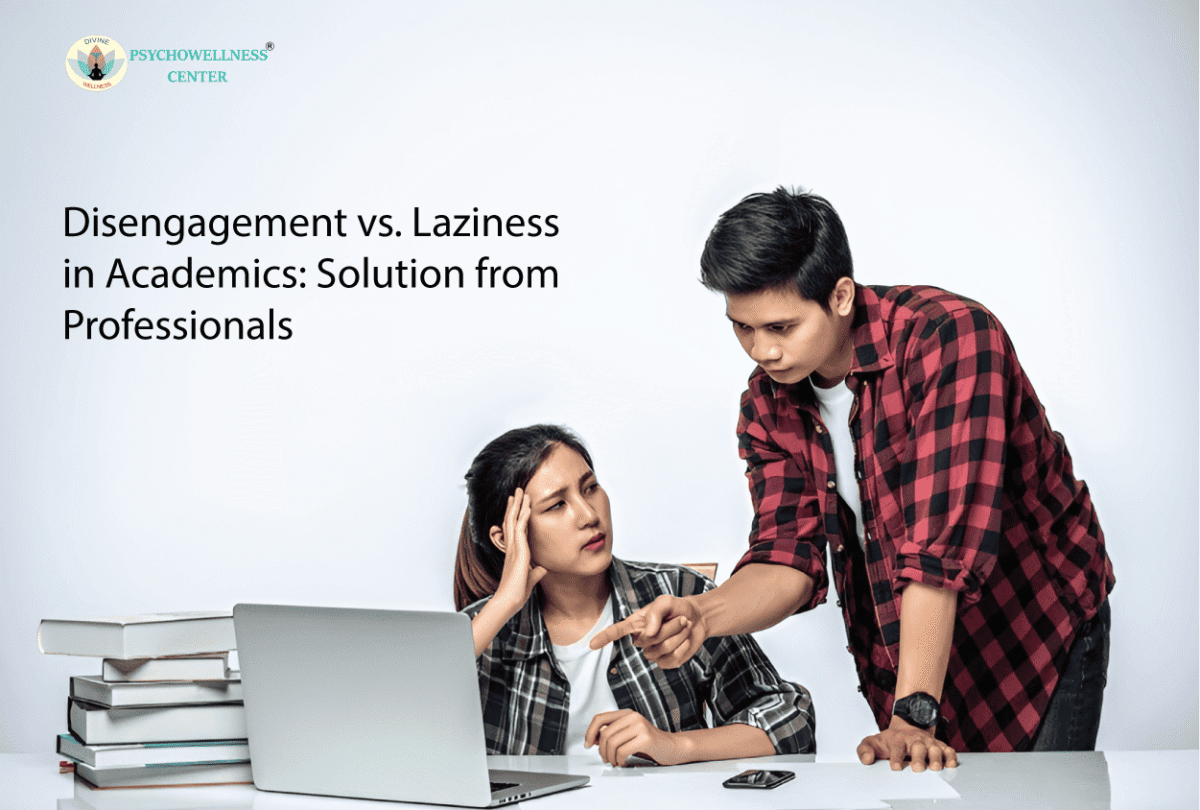
In academic environments, students who miss deadlines, avoid studying, or seem uninterested are often quickly labeled as “lazy.” While this assumption is common, mental health professionals consistently emphasize that laziness is rarely the real issue. More often, such behaviors reflect academic disengagement, a state shaped by emotional, cognitive, and environmental factors rather than a lack of will or character.
Understanding the difference between disengagement and laziness is essential. When we mislabel students, we risk overlooking distress, reinforcing shame, and missing opportunities for meaningful support and growth.
What Academic Disengagement Really Means
Academic disengagement refers to a gradual withdrawal from learning. This withdrawal may be emotional, where students feel disconnected or indifferent; cognitive, where focus and motivation decline; or behavioral, where avoidance of academic tasks becomes common.
Disengaged students often want to succeed but feel unable to cope. They may sit down to study yet feel mentally exhausted, distracted, or overwhelmed. Over time, this can lead to procrastination, missed submissions, and declining performance, not because of indifference, but because of inner struggle.
Importantly, disengagement is not a permanent state. With the right understanding and intervention, students can re-engage and rebuild confidence.
Why Laziness Is Often Misunderstood
True laziness, from a psychological standpoint, involves a consistent unwillingness to exert effort despite having the emotional capacity, motivation, and resources to do so. In academic contexts, this is relatively uncommon.
Most students who appear lazy are actually dealing with hidden challenges such as stress, anxiety, burnout, depression, attention difficulties, or fear of failure. These internal barriers drain energy and motivation, making even simple tasks feel unmanageable.
Labeling these students as lazy oversimplifies complex experiences and shifts attention away from the real issues that need support.
How Disengagement Differs from Laziness
Disengaged students often care deeply about their academic outcomes but feel stuck, overwhelmed, or incapable of meeting expectations. Their inner dialogue may involve thoughts like “I can’t handle this” or “I’ll fail anyway.” Emotional distress is usually present, even if it is not openly expressed.
In contrast, laziness involves a lack of interest without emotional strain. There is no significant anxiety, guilt, or internal conflict. Professionals note that most struggling students experience distress, not apathy, which clearly points toward disengagement rather than laziness.
Common Causes of Academic Disengagement
One major contributor is academic burnout. Constant pressure, high expectations, competitive environments, and limited rest can leave students emotionally exhausted. Burnout reduces curiosity and motivation, making learning feel draining rather than engaging.
Anxiety is another significant factor. Fear of failure, perfectionism, or fear of disappointing others can lead students to avoid tasks altogether. Avoidance becomes a coping mechanism to protect self-worth.
Depression can also play a role. Low mood, fatigue, reduced concentration, and loss of interest are frequently mistaken for laziness, especially in adolescents and young adults.
Attention and executive functioning difficulties, such as those seen in ADHD, may further complicate engagement. Students may struggle with starting tasks, organizing work, or managing time, despite having the intention to succeed.
Lastly, a lack of perceived meaning in academic content can cause disengagement. When students fail to see relevance or personal value in what they are studying, motivation naturally declines.
The Psychological Cost of Calling Students Lazy
Repeatedly labeling students as lazy can have lasting consequences. Over time, students may internalize this label, leading to low self-esteem and a belief that they are incapable of change. Shame-based motivation often results in further avoidance rather than improvement.
Professionals also note that such labeling discourages help-seeking. Students may feel misunderstood or judged, making them less likely to approach teachers, parents, or counselors for support.
Professional Solutions That Actually Work
Mental health professionals emphasize that effective support begins with curiosity rather than judgment. Asking open-ended, empathetic questions helps uncover what a student is experiencing internally.
Addressing emotional well-being is often the first step. Anxiety management, stress reduction, emotional control, and burnout recovery strategies can significantly improve academic engagement. When emotional load decreases, cognitive capacity naturally improves.
Breaking tasks into smaller, manageable steps is another widely recommended approach. Disengaged students are often overwhelmed, not unwilling. Achievable goals reduce avoidance and build a sense of accomplishment.
Rebuilding academic confidence is equally important. Professionals work with students to challenge negative self-beliefs, recognize strengths, and shift focus from perfection to progress. Feeling capable restores motivation.
Providing structure and external support also plays a crucial role. Consistent routines, clear expectations, accountability systems, and supportive check-ins can help students regain stability when internal regulation feels difficult.
Exploring meaning and personal values can further enhance engagement. When students reconnect with why they are studying, whether for personal growth, future goals, or values-driven aspirations, learning becomes more purposeful.
When disengagement persists, seeking professional psychological support is strongly recommended. Counselling can help identify underlying mental health concerns and provide tailored strategies to support both emotional and academic functioning.
Conclusion
From a professional perspective, disengagement is not a failure of effort, it is a signal of unmet needs. Academic struggles often reflect emotional overload, fear, exhaustion, or lack of support rather than laziness.
When educators, parents, and institutions respond with understanding instead of judgment, students feel safer to re-engage. Compassionate support creates space for resilience, confidence, and sustainable academic growth.
Before calling a student lazy, it is worth asking: What might this behavior be protecting them from? The answer often leads not to discipline, but to empathy, intervention, and meaningful change.
For students experiencing academic disengagement, timely professional support can play a crucial role in restoring motivation, confidence, and emotional balance. Psychowellness Center offers specialised psychological services for students struggling with academic stress, burnout, anxiety, attention difficulties, low motivation, and self-esteem concerns. With experienced psychologists using evidence-based approaches such as CBT, solution-focused therapy, career counselling, and emotional regulation strategies, the center helps students identify underlying challenges, rebuild study habits, and re-engage with learning in a healthier way. Services are available at Dwarka Sector-17 and Janakpuri, and appointments can be scheduled at 011-47039812 / 7827208707. Additionally, TalktoAngel provides accessible online counselling for students and parents, offering flexible mental health support from home, especially helpful for those managing academic pressure, exam anxiety, or disengagement in demanding educational environments.
Contribution: Dr. R.K. Suri, Clinical Psychologist, and Ms. Riya Rathi, Counselling Psychologist
References
Appleton, J. J., Christenson, S. L., & Furlong, M. J. (2008). Student engagement with school: Critical conceptual and methodological issues of the construct. Psychology in the Schools, 45(5), 369–386. https://doi.org/10.1002/pits.20303
Eccles, J. S., & Wigfield, A. (2002). Motivational beliefs, values, and goals. Annual Review of Psychology, 53, 109–132. https://doi.org/10.1146/annurev.psych.53.100901.135153
Maslach, C., Schaufeli, W. B., & Leiter, M. P. (2001). Job burnout. Annual Review of Psychology, 52, 397–422. https://doi.org/10.1146/annurev.psych.52.1.397
Pekrun, R. (2006). The control-value theory of achievement emotions: Assumptions, corollaries, and implications for educational research and practice. Educational Psychology Review, 18(4), 315–341. https://doi.org/10.1007/s10648-006-9029-9
https://www.psychowellnesscenter.com/Blog/ways-to-help-students-build-attention-in-the-classroom/
https://www.psychowellnesscenter.com/Blog/tips-on-academic-success/
https://www.psychowellnesscenter.com/service-school-performance-test-in-delhi/
https://www.psychowellnesscenter.com/Blog/how-self-sabotage-protects-against-fear-of-failure/
https://www.psychowellnesscenter.com/Blog/finding-calm-within-hustle-obsessed-culture/
https://www.psychowellnesscenter.com/Blog/how-to-stop-treating-yourself-like-a-machine/
https://www.talktoangel.com/blog/self-help-tips-to-fight-laziness-and-sleepiness
https://www.psychowellnesscenter.com/Blog/tackling-hopelessness-among-college-students/