
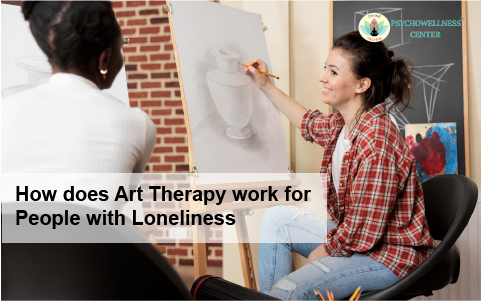
Human beings are naturally social, and meaningful connections play a vital role in emotional well-being. However, in today’s fast-paced and digitally driven world, many individuals experience a sense of isolation despite being surrounded by people. When these feelings persist, they may influence emotional balance, motivation, and overall mental health. Creative therapeutic approaches have emerged as powerful tools to help individuals express their emotions and reconnect with themselves. One such approach is art therapy, which combines creative expression with psychological healing to help people cope with loneliness and build emotional strength.
Understanding Art Therapy
Art therapy is a form of psychotherapy that uses creative processes such as drawing, painting, sculpting, or collage-making to help individuals explore emotions and communicate experiences that may be difficult to express in words. The goal is not to create perfect artwork but to use creativity as a tool for self-expression and healing.
For individuals experiencing isolation, art therapy provides a safe space where emotions can be externalised and understood. Many people find it difficult to talk openly about their struggles, especially when they are dealing with feelings of rejection, sadness, or disconnection. Through artistic expression, individuals can process these emotions in a non-threatening way, which often leads to emotional insight and healing.
Art Therapy and Emotional Healing
Feelings of isolation are often connected to emotional distress such as depression. When individuals feel disconnected from others, they may lose motivation, experience low mood, and withdraw from social interactions. Art therapy can help break this cycle by encouraging individuals to explore their inner experiences creatively.
During therapy sessions, individuals may create artwork representing their emotions, memories, or personal experiences. This process helps them observe their feelings from a new perspective and gain clarity about their emotional state. Over time, individuals begin to understand the underlying causes of their distress and develop healthier coping strategies. Creative expression also supports emotion control, allowing individuals to process intense feelings in a constructive manner. Instead of suppressing emotions, art therapy encourages people to acknowledge and transform them through creative activities. This process helps reduce emotional overwhelm and promotes psychological balance.
Building Self-Awareness Through Creativity
Another important benefit of art therapy is the development of self-awareness. When individuals create art, they often reflect on their thoughts, experiences, and personal stories. This reflective process encourages mindfulness, allowing individuals to focus on the present moment and observe their inner world without judgment. Mindfulness through creative activities helps people slow down their thought processes and become more aware of their emotions. For individuals struggling with loneliness, this awareness can be empowering because it helps them identify emotional triggers and patterns that contribute to isolation. Over time, this process also supports self-improvement, as individuals begin to explore healthier ways of connecting with themselves and others. Art therapy encourages exploration, creativity, and personal growth, which can foster a renewed sense of purpose and motivation.
Enhancing Confidence and Self-Worth
Loneliness often affects how individuals perceive themselves. Persistent isolation may lead people to believe that they are not valued or understood, which can lower their confidence. Art therapy helps individuals rebuild their self-esteem by encouraging them to recognise their strengths and creative abilities.
Creating art provides a sense of accomplishment and personal expression. Even simple creative tasks can help individuals feel productive and capable. When people begin to appreciate their own creativity and emotional depth, they develop a more positive view of themselves.
Therapists also use creative exercises to encourage reflection on personal achievements and strengths. This process gradually builds confidence and helps individuals recognise their potential for growth and connection.
Developing Direction and Purpose
Art therapy can also support personal development by helping individuals identify meaningful life directions. Creative exercises often involve reflecting on personal goals, dreams, and aspirations. Through this process, individuals can engage in goal setting, which provides a sense of direction and motivation.
Setting achievable goals allows individuals to gradually rebuild their social connections and personal interests. For someone experiencing loneliness, these goals might include joining creative communities, participating in group activities, or pursuing hobbies that encourage social interaction.This structured approach helps individuals transition from emotional isolation toward a more engaged and fulfilling life.
Accessing Professional Support
While creative activities can certainly be practised on one’s own, seeking guidance from trained professionals at Psychowellness Center can significantly enhance the psychological benefits of art-based practices. Skilled therapists help individuals understand the deeper meaning behind their artwork and link it to their emotional experiences, enabling more meaningful healing.
Many people looking for support often search online using terms like therapist near me or psychologist near me to find reliable and accessible services. Choosing professional help ensures structured, personalised care that aligns with individual emotional needs.
At clinics like Psychowellness Center, which provide psychological counselling in Delhi, art therapy is often integrated with traditional therapeutic approaches. Working with experienced professionals, including some of the best psychologists in Delhi, allows individuals to process emotions more effectively, rebuild self-confidence, and develop healthier coping strategies to manage loneliness and emotional challenges.
Conclusion
Art therapy is a powerful and creative approach to addressing loneliness and emotional distress. Encouraging self-expression through artistic activities, it helps individuals process emotions, improve emotional regulation, and develop a deeper understanding of themselves. The creative process also promotes mindfulness, confidence, and personal growth, making it an effective tool for enhancing overall mental well-being.
For individuals struggling with isolation or emotional difficulties, seeking professional support can make a meaningful difference. Working with trained psychologists and therapists allows individuals to explore creative therapeutic methods while receiving guidance tailored to their needs. Through art therapy and compassionate psychological care, individuals can rediscover connection, confidence, and a renewed sense of purpose in their lives.
The video on mindfulness available on the Psychowellness Center YouTube channel further highlights how practising mindfulness complements art therapy. Mindfulness helps individuals stay present during the creative process, making art therapy more effective for people experiencing loneliness by deepening emotional awareness and fostering a stronger connection with oneself.
To learn more about how art therapy works for people experiencing loneliness, emotional well-being, and personal growth, you can explore helpful resources from the Psychowellness Center. Their experienced counselling psychologist team provides personalised guidance both in-person at Dwarka and Janakpuri, New Delhi (Contact: 011-47039812 / 7827208707) and online through TalktoAngel, offering convenient virtual counselling support.
Contribution: Dr. R.K. Suri, Clinical Psychologist, and Ms. Arushi Srivastava, Counselling Psychologist
REFERENCES
- American Art Therapy Association. (2021). What is art therapy? Retrieved from https://arttherapy.org
- Malchiodi, C. A. (2020). Trauma and expressive arts therapy: Brain, body, and imagination in the healing process. New York, NY: Guilford Press.
- Stuckey, H. L., & Nobel, J. (2010). The connection between art, healing, and public health: A review of current literature. American Journal of Public Health, 100(2), 254–263.
- World Health Organization. (2019). What is the evidence on the role of the arts in improving health and well-being? A scoping review.