
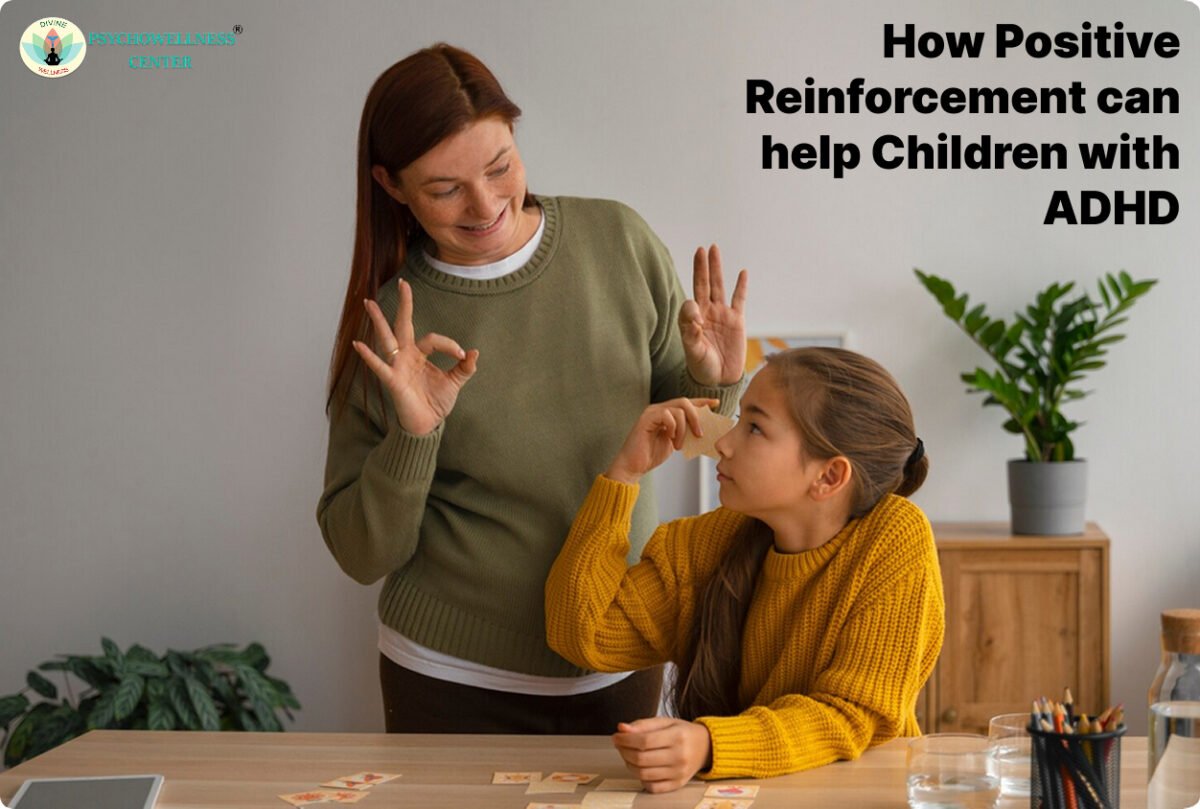
Children with Attention-Deficit/Hyperactivity Disorder (ADHD) often face unique challenges that can affect their learning, behavior, and relationships. They may struggle with impulsivity, maintaining focus, and following directions, which can lead to frustration both for them and for those around them. However, research and clinical practice have shown that positive reinforcement, the practice of rewarding desired behaviors to encourage their repetition, can make a profound difference in helping children with ADHD develop self-control, motivation, and confidence.
This approach not only supports behavioral change but also fosters a sense of accomplishment and self-worth, empowering children to thrive both at home and in school.
Understanding ADHD and Behavior Challenges
Patterns of impulsivity, hyperactivity, and inattention that interfere with day-to-day functioning are indicative of ADHD. Children with ADHD are often misunderstood as being lazy, disobedient, or defiant. In reality, their brains process information and regulate behavior differently, particularly in areas involving attention, planning, and reward systems.
Traditional disciplinary methods, like punishment or reprimands, tend to focus on what the child did wrong. For children with ADHD, who already experience frequent correction or criticism, this can heighten feelings of failure and decrease motivation. In contrast, positive reinforcement redirects focus toward what the child is doing right, building on their strengths and encouraging them to repeat desired behaviors.
What Is Positive Reinforcement?
Positive reinforcement involves identifying and rewarding specific behaviors you want to encourage. The reinforcement could be tangible (like stickers or toys), social (like praise or affection), or experiential (like extra playtime). The goal is to make positive behaviors more rewarding than negative ones.
For example, instead of scolding a child for not sitting still during homework, you might praise them when they complete even a short segment of work attentively. Over time, this consistent positive feedback strengthens their ability to stay focused and motivated.
Why Positive Reinforcement Works for Children with ADHD
Children with ADHD often have underactive dopamine systems, making them less responsive to delayed rewards. Immediate, consistent, and meaningful reinforcement can help bridge this gap. Here’s why it works so effectively:
- Boosts Motivation:Children with ADHD react favorably to quick feedback. Positive reinforcement gives them a sense of accomplishment right after they exhibit a desired behavior, which helps sustain their motivation.
- Encourages Repetition of Positive Behaviors:The brain naturally seeks pleasure and avoids discomfort. When positive behaviors lead to enjoyable outcomes, they’re more likely to be repeated, eventually becoming habits.
- Builds Self-Esteem and Confidence:Many children with ADHD experience frequent failure or negative feedback. Positive reinforcement provides a balance, helping them feel competent and capable.
- Improves Emotional Regulation:A nurturing environment that focuses on success rather than mistakes helps children manage frustration and reduce oppositional behavior.
- Strengthens Parent-Child Relationships:When caregivers focus on appreciation rather than criticism, the relationship becomes more cooperative and less adversarial.
Strategies for Using Positive Reinforcement Effectively
- Be Specific with PraiseInstead of vague praise like “Good job,” identify the exact behavior you are rewarding:
- “I truly appreciate the manner in which waited for your chance to speak.”
- “You did an excellent job finishing the assignments before playtime.” Particular feedback promotes repetition and aids in the child’s understanding of the behavior that earned the reward.
- Offer Immediate RewardsFor children with ADHD, the connection between behavior and reward must be immediate. Use small, quick rewards to reinforce behaviors, such as giving a sticker or a high-five right after they complete a task.
- Use a Reward System or Token EconomyCreate a visual chart where your child earns stars, stickers, or tokens for good behavior. These can later be exchanged for a larger reward, such as choosing a movie, extra screen time, or a favorite activity.
- Balance Tangible and Verbal RewardsWhile tangible rewards can motivate initially, verbal praise and encouragement help internalize positive behavior over time. Gradually shift from material rewards to emotional rewards like pride and self-satisfaction.
- Set Clear ExpectationsChildren with ADHD thrive on structure. Explain what behaviors will earn rewards and what won’t. Keep instructions simple, visual, and consistent.
- Celebrate Small WinsBreak tasks into smaller steps. Reward progress rather than perfection. For instance, if your child struggles to complete homework, start by reinforcing the effort to sit and focus for five minutes, then gradually increase the duration.
- Stay ConsistentConsistency is key to shaping behavior. Make sure everyone involved, parents, teachers, caregivers, uses similar reinforcement strategies to avoid confusion.
- Use Positive Reinforcement Alongside Other SupportsWhile positive reinforcement is powerful, it works best when combined with other ADHD management strategies, such as behavioral therapy, mindfulness, physical activity, and appropriate routines.
Examples of Positive Reinforcement in Action
- At Home:
- “You did an excellent job picking up your toys without asking! Together, let’s play your preferred game.
- A sticker chart for every night they go to bed on time.
- At School:
- A teacher gives a “focus point” for every 10 minutes of quiet work, which can later be traded for extra recess time.
- Public recognition during class for teamwork or following directions.
- In Therapy Settings:
- Behavioral therapists often use reward-based programs that track progress and reinforce emotional control and social skills.
Common Mistakes to Avoid
- Using Rewards as Bribes:The goal is to reinforce, not manipulate. Avoid offering rewards only after misbehavior occurs. Rewards should be proactive, not reactive.
- Inconsistency in Application:Irregular reinforcement can confuse children and reduce effectiveness. Stick to the plan until the behavior becomes a habit.
- Overemphasis on Material Rewards:While toys or treats can be motivating, intrinsic rewards, like feeling proud or being appreciated, are more sustainable.
- Ignoring Negative Behaviors Completely:While the focus is on positivity, boundaries are still essential. Use gentle correction when needed, followed by positive reinforcement when the correct behavior is shown.
The Role of Parents and Caregivers
Positive reinforcement works best when parents and caregivers model patience, empathy, and consistency. Remember, every child’s journey is different. Some may respond quickly, while others need time to adjust. What matters most is the steady message: “You are capable, and I believe in you.”
Celebrating small achievements builds momentum. When children feel understood and appreciated, they are more willing to cooperate, learn, and grow.
Conclusion
Caring for a child with ADHD can be challenging, but it also presents an opportunity to nurture resilience, confidence, and emotional strength. Positive reinforcement shifts the focus from what a child can’t do to what they can, turning daily struggles into meaningful progress.
At Psychowelness Center in Janakpuri and Sector-17 Dwarka, Delhi, experienced child psychologists and clinical psychologists offer evidence-based therapies such as Behavioral Therapy, CBT, and Parent Training Programs designed to support children with ADHD and their families. Through personalized strategies and compassionate guidance, TalktoAngel is an online counseling platform that helps parents learn effective reinforcement techniques, manage stress, and create a nurturing home environment where children can flourish.
If you’re navigating the challenges of ADHD, remember, you’re not alone. With the right support and positive approach, every child can learn to shine in their own unique way.
Contribution: Dr. R.K. Suri, Clinical Psychologist, and Ms. Riya Rathi, Counselling Psychologist
References
American Psychiatric Association. (2022). Diagnostic and statistical manual of mental disorders (5th ed., text rev.; DSM-5-TR). American Psychiatric Publishing.
American Psychological Association. (2020). Parenting children with ADHD: Tips for helping your child thrive. https://www.apa.org/topics/adhd/parenting
Barkley, R. A. (2015). Attention-deficit hyperactivity disorder: A handbook for diagnosis and treatment (4th ed.). Guilford Press.
Centers for Disease Control and Prevention. (2023). Parent training in behavior management for ADHD. U.S. Department of Health and Human Services. https://www.cdc.gov/ncbddd/adhd/behavior-therapy.html
DuPaul, G. J., & Stoner, G. (2014). ADHD in the schools: Assessment and intervention strategies (3rd ed.). Guilford Press.
https://www.psychowellnesscenter.com/Blog/how-behavioral-therapy-helps-adhd-children/
https://www.psychowellnesscenter.com/Blog/parental-guide-for-children-with-adhd/
https://www.psychowellnesscenter.com/Blog/use-of-positive-and-negative-punishment-in-aba-therapy/
https://www.psychowellnesscenter.com/Blog/behavioural-challenges-in-children-and-adolescents/
https://www.psychowellnesscenter.com/service-adhd-treatment-in-delhi/
https://www.talktoangel.com/blog/aspects-of-positive-reinforcement-in-shaping-child-behavior
https://www.psychowellnesscenter.com/Blog/best-child-psychologist-in-tilak-nagar/
https://www.psychowellnesscenter.com/Blog/how-to-support-college-school-students-with-adhd/