
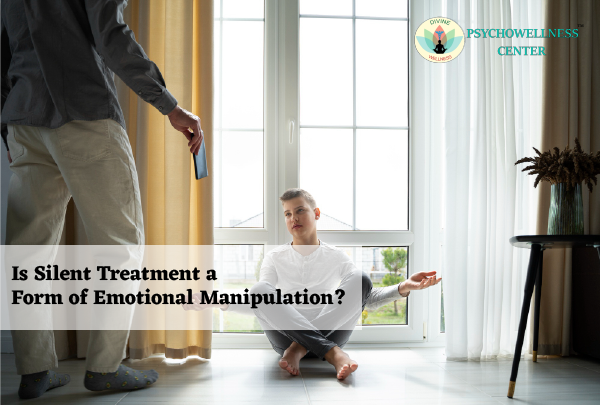
Silence can sometimes bring peace, reflection, and space to think. However, in close relationships, silence can also become a weapon. Many individuals seeking counselling describe feeling confused, anxious, or emotionally unsettled when their partner suddenly withdraws communication without explanation. The silent treatment, when used intentionally to control or punish, can deeply affect emotional safety and trust. While occasional space during conflict is healthy, repeated and deliberate silence meant to create fear, guilt, or insecurity may cross the line into emotional manipulation. Understanding the difference is essential for protecting both personal well-being and relationship health.
What Is Silent Treatment?
The silent treatment refers to intentionally ignoring, refusing to communicate, or emotionally withdrawing from someone as a reaction to conflict, disappointment, or anger. In some situations, individuals request temporary space to calm down, which can be constructive. However, problems arise when silence is prolonged, unexplained, and used as a strategy to assert power.
People experiencing silent treatment often report symptoms similar to those seen in depression counselling, including low mood, rumination, and feelings of rejection. The uncertainty can trigger anxiety and self-doubt, especially when there is no clarity about what went wrong.
Healthy Space vs. Emotional Manipulation
It is important to distinguish between healthy emotional regulation and manipulative silence.
Healthy space involves:
- Communicating the need for time alone.
- Setting a clear boundary, such as “I need 30 minutes to cool down.”
- Returning to resolve the issue respectfully.
Manipulative silent treatment often includes:
- Ignoring calls or messages intentionally.
- Refusing eye contact or acknowledgement.
- Withholding affection as punishment.
- Prolonged silence without explanation.
When silence becomes a recurring pattern, individuals may begin questioning their worth. This pattern can lead to low self-esteem needs, as the emotional impact accumulates over time.
Why Do People Use Silent Treatment?
The reasons vary. Some individuals struggle with emotional regulation and avoid confrontation due to discomfort. Others may have learned in childhood that withdrawing affection gains control. In more complex cases, silent treatment can be linked to underlying personality patterns that require personality disorder intervention.
For some, silence becomes a passive way to express anger without direct communication. Unfortunately, instead of resolving issues, it creates emotional distance and insecurity. Over time, the partner on the receiving end may experience chronic stress, similar to concerns addressed in stress management.
Psychological Impact of Silent Treatment
Research in relationship psychology suggests that social rejection activates similar neural pathways to physical pain. Being ignored by a loved one can feel deeply distressing. Individuals may experience:
- Persistent anxiety
- Overthinking and self-blame
- Emotional withdrawal
- Sleep disturbances
- Feelings of abandonment
In romantic relationships, repeated silent treatment can damage trust and intimacy. Many couples later seek counselling in Delhi after years of unresolved communication breakdown. What begins as occasional withdrawal may evolve into emotional detachment.
Is Silent Treatment Always Abuse?
Not always. Context matters. If someone communicates their need for space and returns to discuss the issue, it reflects emotional maturity. However, when silence is used repeatedly to control behaviour, induce guilt, or maintain dominance, it can be considered a form of emotional manipulation.
How to Respond If You Experience Silent Treatment
If you are on the receiving end, consider these steps:
- Stay calm and grounded:– Avoid reacting impulsively. Emotional regulation protects your mental balance.
- Seek clarity respectfully:- Gently express how the silence makes you feel. For example: “I feel anxious when we stop talking without explanation.”
- Set emotional boundaries:- It is important to communicate that prolonged silence is not acceptable for healthy conflict resolution.
- Avoid self-blame:- Manipulative silence often shifts responsibility unfairly. This can contribute to patterns requiring cognitive behavioural therapy to challenge negative thought cycles.
- Consider professional support:- If the pattern continues, seeking structured guidance through online counselling in Delhi can help clarify dynamics and develop assertive communication skills.
When Both Partners Want to Improve
If both individuals recognise the pattern and want change, structured therapy sessions can rebuild communication. Techniques such as active listening, emotion labelling, and conflict de-escalation are commonly used in therapy settings. Therapy does not aim to assign blame. Instead, it focuses on identifying triggers, understanding attachment styles, and developing healthier interaction patterns. In many cases, partners discover that silent treatment was masking deeper fears of rejection, vulnerability, or inadequacy.
Long-Term Effects of Unresolved Silent Treatment
Unchecked emotional withdrawal can gradually erode intimacy. Over time, partners may stop sharing thoughts or feelings to avoid being ignored. This creates emotional isolation within the relationship. Chronic emotional invalidation can contribute to symptoms addressed in anxiety counselling in Delhi, including constant worry about relationship stability. Emotional security is foundational for healthy bonding, and repeated silence undermines that foundation.
Conclusion
Silent treatment, when used intentionally to punish or control, can indeed function as a form of emotional manipulation. While temporary space during conflict can be healthy, prolonged and unexplained silence damages trust and emotional safety. Recognising the pattern early allows individuals and couples to intervene before long-term harm develops.
Professional guidance can provide clarity, tools, and emotional containment for addressing communication breakdown. Centres such as Psychowellness Center offer comprehensive psychological services tailored to individual and relationship needs. If you are searching for a psychologist in Delhi, a psychologist in Delhi NCR, or a therapist near me, reaching out to a qualified mental health professional can be a meaningful first step toward emotional balance and healthier connections. For those who prefer remote support, TalktoAngel also provides convenient and confidential online counselling sessions with qualified therapists.
At Psychowellness Center, we are committed to spreading awareness about mental health issues and supporting individuals dealing with anxiety and emotional distress. Through professional anxiety counselling, our experienced psychologists help individuals understand their thoughts, manage overwhelming emotions, and develop healthier coping strategies. These informative videos also provide valuable insights into anxiety management and mental health awareness.
Contribution: Dr. R.K. Suri, Clinical Psychologist, and Ms. Swati Yadav, Counselling Psychologist
References
- American Psychological Association. (2020). Healthy relationships and communication guidelines.
- Gottman, J. M., & Gottman, J. S. (2017). The science of couples and family therapy. W. W. Norton & Company.
- Williams, K. D. (2007). Ostracism. Annual Review of Psychology, 58, 425–452.
- https://www.psychowellnesscenter.com/Blog/emotional-regulation-teaching-kids-to-manage-big-feelings/