
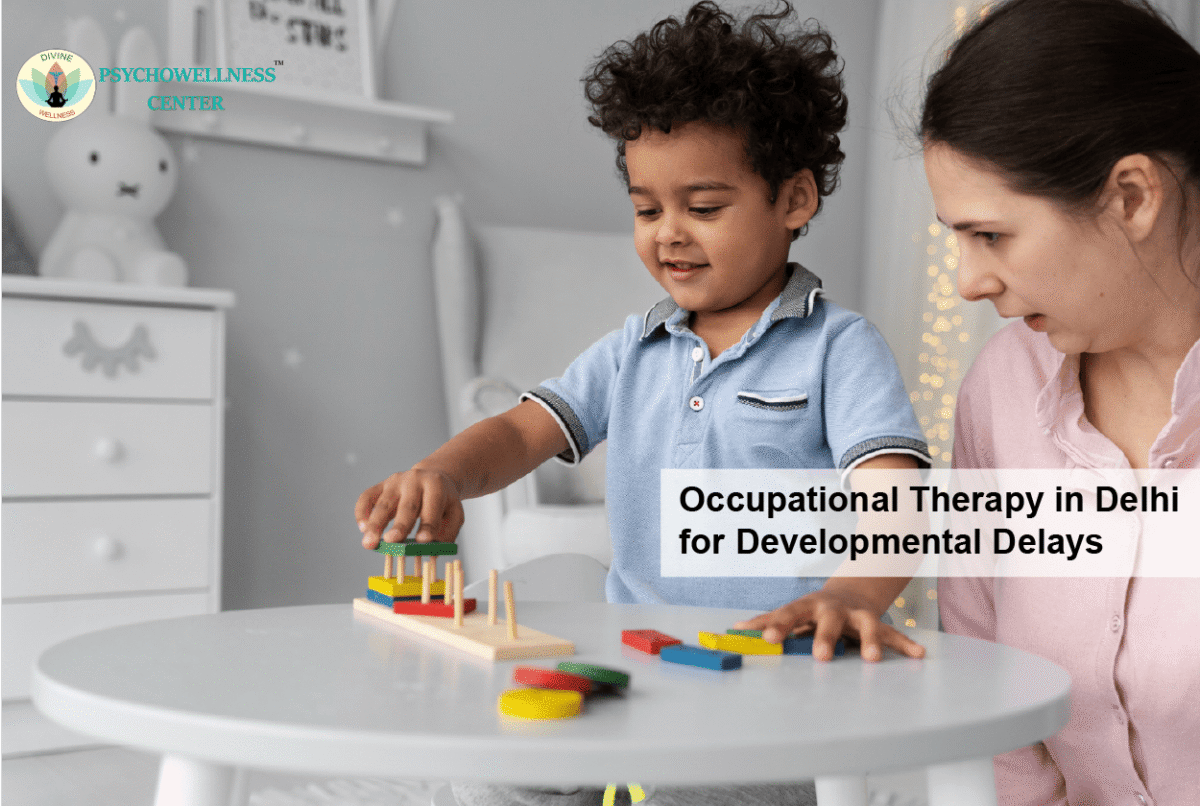
Developmental delays can significantly hinder a child’s ability to master fundamental daily activities essential for independence, academic success, and social integration. Often emerging in early childhood, these challenges can impact critical functional areas—including gross and fine motor coordination, sensory processing, sustained attention, emotional regulation, and self-care routines.
As awareness of pediatric development and mental health grows in urban centers, Occupational therapy in Delhi has emerged as a vital intervention for children navigating these developmental milestones. By focusing on evidence-based therapeutic techniques, occupational therapy empowers children to bridge the gap between their current abilities and their functional potential.
Our specialized programs are designed to help children cultivate the practical skills necessary for meaningful participation in diverse environments—whether at home, within the classroom, or in social settings. Through structured intervention, we aim to foster resilience and independence, ensuring every child has the support they need to thrive.
Understanding Developmental Delays in Children
A developmental delay occurs when a child does not achieve age-appropriate milestones within the expected timeframe. These delays may be observed in fine motor skills (such as writing or buttoning clothes), gross motor skills (such as balance or coordination), sensory responses, communication, emotional regulation, or adaptive behaviors.
Developmental delays can be associated with conditions such as autism spectrum disorder (ASD), attention-deficit/hyperactivity disorder (ADHD), sensory processing disorder, learning disabilities, cerebral palsy, or developmental coordination disorder. Regardless of the cause, early therapeutic support from the autism center near me significantly improves a child’s ability to adapt and thrive.
What Is Occupational Therapy?
Occupational therapy is a child-centered, goal-oriented intervention that focuses on improving a child’s ability to perform meaningful activities or “occupations.” For children, these occupations include playing, learning, self-care, social interaction, and emotional regulation.
Occupational therapists assess a child’s strengths and challenges and design individualized intervention plans. Therapy often includes sensory integration techniques, motor skill training, play-based activities, behavioral strategies, and cognitive skill development to support overall functioning.
How Occupational Therapy Helps with Developmental Delays
Occupational therapy addresses multiple developmental domains simultaneously. Rather than focusing only on symptoms, OT works on functional outcomes that enhance independence and confidence.
Key areas supported through occupational therapy include:
- Fine motor and handwriting skills
- Gross motor coordination and balance
- Sensory processing and modulation
- Attention, focus, and impulse control
- Emotional regulation and frustration tolerance
- Self-care skills such as feeding, dressing, and grooming
- Social interaction and play skills
By combining sensory integration therapy, behavioral therapy, and cognitive strategies, occupational therapy helps children adapt to daily demands more effectively.
Importance of Early Intervention
Early intervention plays a crucial role in developmental outcomes. When occupational therapy is introduced during early childhood, the brain’s neuroplasticity allows children to acquire new skills more efficiently. Early therapy can reduce long-term challenges, enhance school readiness, and improve emotional well-being.
In many cases, occupational therapy works alongside psychological interventions such as CBT-based emotional regulation strategies, ABA therapy, play therapy, behavioral therapy, and parental counseling, ensuring holistic developmental support.
Occupational Therapy Services at Psychowellness Center
The Psychowellness Center provides comprehensive occupational therapy services for children with developmental delays, sensory challenges, attention difficulties, and emotional regulation concerns. The center follows a multidisciplinary approach, ensuring that functional, emotional, and behavioral needs are addressed together.
At Psychowellness Center, the best child psychologists near me is integrated with sensory integration therapy, cognitive behavioral therapy (CBT), behavioral modification techniques, play-based interventions, and parental guidance sessions. This collaborative approach helps children develop daily living skills while also supporting emotional and cognitive growth.
The center has accessible locations in Janakpuri and Dwarka Sector-17, Delhi, making quality developmental care available to families across the city. You may make an appointment or ask questions at 011-47039812 or 7827208707.
Therapy Techniques Commonly Used in Occupational Therapy
Occupational therapy for developmental delays uses evidence-based techniques tailored to each child’s needs and developmental level. These include:
- Using sensory integration therapy to help kids react to sensory information
- Motor planning and coordination activities for physical development
- Task-based training to improve functional independence
- Play therapy techniques to enhance engagement and learning
- Behavioral and emotional regulation strategies to support attention and self-control
Therapists often collaborate with psychologists to incorporate CBT techniques and solution-focused strategies, especially when emotional or behavioral difficulties coexist with developmental delays.
Role of Parents and Family Support
Parenting involvement is a key component of successful occupational therapy. Therapists guide parents on home-based exercises, structured routines, and environmental modifications that support the child’s development outside therapy sessions.
Parents may also receive emotional support and psychoeducation, helping them manage stress, set realistic expectations, and understand their child’s developmental journey. Family-focused interventions enhance therapy outcomes and create a supportive environment for the child.
Digital Mental Health Support
In addition to in-person therapy, TalktoAngel provides online psychological support for parents and caregivers. Through online counseling sessions, families can access professional guidance, emotional support, and developmental strategies from qualified mental health professionals.
When to Seek Occupational Therapy
Parents should consider occupational therapy if a child shows persistent difficulties with motor skills, sensory sensitivities, attention, emotional regulation, self-care tasks, performance anxiety, or academic activities. Early professional evaluation ensures timely intervention and better long-term outcomes.
Explore more –
https://www.youtube.com/watch?v=R4Nem4okMPU&t=34s
https://www.youtube.com/shorts/ExNHtVrSYVs
Conclusion
Occupational therapy plays a vital role in supporting children with developmental delays by enhancing functional abilities, emotional regulation, and independence. Through early intervention, individualized therapy plans, and family involvement, children can develop the skills needed to participate confidently in daily life. In Delhi, access to integrated occupational therapy services ensures that children receive holistic care that addresses both developmental and emotional needs. Seeking timely professional support from the best child counselors in Delhi and best child psychologists in Delhi NCR empowers families to navigate developmental challenges with clarity, confidence, and hope.
Contribution: Dr. R.K. Suri, Clinical Psychologist, and Ms. Sakshi Dhankhar, Counselling Psychologist
References
American Occupational Therapy Association. (2020). Occupational therapy practice framework: Domain and process. AOTA Press.
https://www.psychowellnesscenter.com/Blog/use-of-occupational-therapy-in-developmental-delays/
https://www.psychowellnesscenter.com/Blog/the-best-occupational-therapist-in-delhi/
https://www.psychowellnesscenter.com/service-dvelopmental-delay-in-delhi/
https://www.psychowellnesscenter.com/best-occupational-therapist-near-me/delhi-ncr/
https://www.psychowellnesscenter.com/service-learning-difficulties-ot/
Case-Smith, J., & O’Brien, J. C. (2015). Occupational therapy for children and adolescents (7th ed.). Elsevier.
Centers for Disease Control and Prevention. (2021). Developmental milestones. https://www.cdc.gov
Dunn, W. (2014). Sensory processing framework. Pearson Education.