
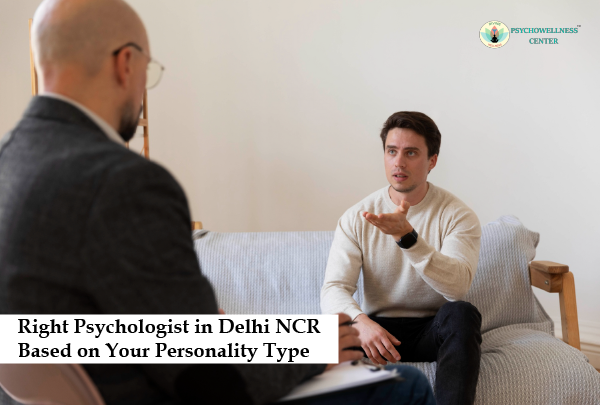
Seeking help from a clinical psychologist and counseling psychologists is an important step toward improving mental health and emotional well-being. However, many people feel confused when selecting the right psychologist because every individual has different emotional needs, communication styles, and personality traits. A therapist who works well for one person may not necessarily be the best fit for another. This is why understanding your personality type can play a major role in finding the right best psychologist in Delhi NCR.
Personality influences the way individuals express emotions, handle stress, build relationships, and respond to therapy. Some people prefer direct guidance, while others need emotional warmth and patience. Certain individuals are highly expressive, whereas others take time to open up. Choosing a psychologist who aligns with your personality can make therapy more comfortable, effective, and emotionally supportive.
Why Personality Matters in Therapy
Therapy is not only about techniques and psychological theories; it is also about the therapeutic relationship between the client and psychologist. When individuals feel understood, respected, and emotionally safe, they are more likely to trust the process and engage openly during sessions.
Different personality types have different therapy preferences:
- Some prefer structured sessions with practical solutions.
- Others value emotional exploration and deep conversations.
- Some individuals need gentle encouragement.
- Others appreciate direct feedback and accountability.
Understanding your emotional style can help you choose a psychologist whose approach matches your comfort level and therapeutic goals.
Introverted Personality Types
Introverts are often reflective, thoughtful, and emotionally private. They may take time to trust others and feel uncomfortable opening up quickly in therapy. Introverted individuals usually benefit from psychologists who are patient, calm, and non-judgmental.
A suitable psychologist for introverts should:
- Allow space for silence and reflection
- Avoid forcing emotional disclosure
- Encourage gradual emotional expression
- Create a calm and emotionally safe environment
Introverts may also prefer one-on-one sessions with deeper emotional conversations rather than highly energetic or confrontational approaches. Therapists who specialize in anxiety, emotional sensitivity, or self-esteem concerns may be especially helpful for introverted individuals.
Extroverted Personality Types
Extroverts are generally expressive, social, and comfortable discussing their emotions openly. They may process thoughts verbally and often appreciate interactive conversations during therapy sessions.
Psychologists working with extroverts may focus on:
- Active discussions and emotional processing
- Behavioral strategies and communication skills
- Relationship dynamics and social interactions
- Goal-oriented therapeutic approaches
Extroverted individuals often respond well to collaborative sessions where they can openly explore emotions and experiences. Therapists who encourage active participation and problem-solving may be particularly effective.
Highly Sensitive Individuals
Highly sensitive individuals experience emotions deeply and may become overwhelmed by criticism, stress, or conflict. They often require therapists who are emotionally empathetic and validating.
A good psychologist for highly sensitive personalities should:
- Provide emotional reassurance
- Use compassionate communication
- Help develop emotional regulation skills
- Avoid harsh or overly confrontational methods
Sensitive individuals may struggle with anxiety, depression, trauma, OCD, schizophrenia, bipolar disorder, anger issues, behavioral issues, overthinking, emotional burnout, or relationship stress. Therapy focused on mindfulness, emotional balance, and self-compassion can be highly beneficial.
Analytical and Logical Personalities
Some individuals approach life through logic, structure, and analysis. They may prefer understanding the psychological reasoning behind their emotions and behaviors rather than focusing solely on emotional expression.
These individuals often benefit from psychologists who:
- Use evidence-based therapeutic techniques
- Explain psychological concepts clearly
- Provide structured coping strategies
- Focus on measurable progress and goals
Cognitive Behavioral Therapy (CBT) is often effective for analytical personalities because it emphasizes thought patterns, problem-solving, and practical emotional management.
Emotionally Expressive Personalities
Emotionally expressive individuals tend to communicate feelings openly and intensely. They may seek deep emotional understanding and validation in therapy.
Psychologists working with expressive personalities should:
- Encourage healthy emotional expression
- Help regulate intense emotions
- Support interpersonal relationship growth
- Create balanced emotional boundaries
These individuals often benefit from therapies that focus on emotional awareness, attachment patterns, and relationship dynamics.
Independent and Reserved Personalities
Some people value independence and may hesitate to seek emotional support. They might struggle with vulnerability or fear of appearing emotionally weak.
For independent personalities, the right psychologist should:
- Respect personal boundaries
- Build trust gradually
- Avoid pushing emotional disclosure too quickly
- Encourage emotional openness without pressure
Therapists who provide balanced emotional support while maintaining professionalism often work well with reserved individuals.
Importance of Therapy Style
Apart from personality type, therapy style also matters. Different psychologists use different therapeutic approaches based on the client’s needs.
Cognitive Behavioral Therapy (CBT)
Focuses on altering harmful thought and behavior habits. Helpful for anxiety, stress, depression, and overthinking.
Psychodynamic Therapy
Explores past experiences, unconscious emotions, and relationship patterns. Suitable for individuals seeking deeper emotional understanding.
Humanistic Therapy
Focuses on self-growth, emotional acceptance, and personal potential. Effective for individuals seeking self-awareness and emotional healing.
Couple Therapy and Family Therapy
Helps improve communication, conflict resolution, and relationship dynamics within families and couples.
Understanding these approaches can help individuals select the best counselors in Dwarka whose methods align with their personality and goals.
Signs You Have Found the Right Psychologist
Finding the right therapist may take time, but certain signs indicate a healthy therapeutic connection:
- You feel emotionally safe during sessions.
- The psychologist listens without judgment.
- You feel understood and respected.
- Therapy encourages growth without pressure.
- You feel comfortable discussing difficult emotions.
It’s critical to keep in mind that treatment is a team effort. Feeling emotionally connected and comfortable with the psychologist often improves therapeutic outcomes.
Mental Health Support in Delhi NCR
With increasing awareness about mental health, many individuals in Delhi NCR are seeking professional psychological support for stress, anxiety, relationship issues, depression, work pressure, emotional burnout, and self-esteem concerns. Choosing the right relationship psychologists in India based on personality type can make the therapeutic journey more personalized and effective.
At Psychowellness Center, experienced psychologists provide therapy tailored to individual emotional needs and personality styles. The center offers counseling for anxiety, depression, relationship issues, workplace stress, emotional control, child psychology, and personal growth. Individuals can seek support at the branches located in Janakpuri and Dwarka Sector 17. For appointments and psychological counseling near me, individuals can contact 011-47039812 or 7827208707.
Conclusion
Choosing the right psychologist is an important decision that can significantly influence emotional healing and personal growth. Every individual has unique emotional needs, communication styles, and personality traits that affect how they respond to therapy. Understanding your personality type can help you find a psychologist whose therapeutic approach feels comfortable, supportive, and effective.
Whether someone is introverted, expressive, analytical, sensitive, or emotionally reserved, the right therapeutic relationship can create emotional safety, self-awareness, and positive psychological change. Therapy is not about changing who you are, it is about understanding yourself better and developing healthier ways to cope, connect, and grow.
Contributions: Dr. R.K. Suri, Clinical Psychologist, and Ms. Sakshi Dhankhar, Counselling Psychologist
References
American Psychological Association. (2023). Understanding psychotherapy and how it works. Retrieved from https://www.apa.org
https://www.psychowellnesscenter.com/Blog/best-psychologists-in-delhi-cantt-delhi/
https://www.psychowellnesscenter.com/Blog/the-best-psychologist-in-central-delhi/
https://www.psychowellnesscenter.com/Blog/best-psychologist-in-dhaula-kuan-delhi/
https://www.psychowellnesscenter.com/Blog/best-psychologist-in-hari-nagar-delhi/
Corey, G. (2017). Theory and practice of counseling and psychotherapy (10th ed.). Cengage Learning.
Cain, S. (2013). Quiet: The power of introverts in a world that can’t stop talking. Broadway Books.
Rogers, C. R. (1961). On becoming a person: A therapist’s view of psychotherapy. Houghton Mifflin.
Beck, J. S. (2020). Cognitive behavior therapy: Basics and beyond (3rd ed.). Guilford Press.