
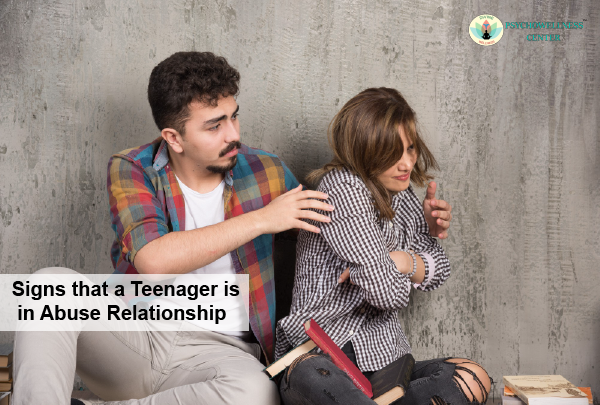
Adolescence is a critical stage of life marked by self-discovery, emotional development, and the formation of meaningful relationships. During this period, teenagers begin to explore romantic connections, often without fully understanding what constitutes a healthy or unhealthy dynamic. Unfortunately, some adolescents become involved in abusive relationships, which can have profound and lasting psychological, emotional, and even physical consequences. These experiences may shape their self-worth, influence future relationships, and impact their overall well-being.
Abuse in teenage relationships can take many different forms, including physical, emotional, verbal, sexual, and digital abuse. While physical abuse may be more visible, emotional abuse is often the most subtle and damaging. It can involve manipulation, constant criticism, jealousy, control, or isolation from friends and family. Because it leaves no physical marks, it is frequently overlooked or misunderstood, yet it can significantly harm a teenager’s self-esteem, confidence, and mental health. Recognizing the warning signs early is essential for timely intervention and support. Awareness not only helps victims seek help but also empowers peers, parents, and educators to step in and prevent long-term trauma, fostering safer and healthier relationships for young individuals.
Common Signs of Teen Relationship Abuse
- Extreme Jealousy and Control: Teens in abusive relationships may experience partners who monitor their activities, restrict friendships, or show excessive jealousy. This controlling behaviour can severely affect social interactions and emotional health.
- Isolation from Friends and Family: Victims may withdraw from friends and family due to fear, shame, or pressure from their partner. Isolation can increase feelings of loneliness and reduce access to support systems.
- Low Self-Esteem: Emotional abuse often erodes a teenager’s confidence. Constant criticism, humiliation, or manipulation can create long-term self-doubt.
- Mood Swings and Anxiety: Teens may exhibit unusual irritability, sadness, or anxiety. Persistent stress and emotional control challenges are common in abusive relationships.
- Avoidance of Certain Topics or People: Victims may avoid discussing their partner, upcoming events, or social situations that involve their partner, signalling fear or discomfort.
- Physical Signs of Harm:Visible signs of harm, such as unexplained bruises, scratches, or injuries, though less frequent than emotional abuse, can be warning indicators of anger or physical violence within the relationship.
- Changes in Behaviour: Teens may show signs of withdrawal, procrastination, changes in sleep, eating patterns, or engagement with school and hobbies. Depression or low motivation can also emerge in response to abuse.
- Secretive or Risky Online Behaviour: Digital abuse, including monitoring, harassment, or coercion via social media or messaging, is increasingly common among teens.
Recognizing these signs early allows parents, caregivers, and professionals to intervene effectively and prevent long-term consequences.
Contributing Factors
Several factors can increase vulnerability to teen relationship abuse:
- Family Problems: Teens from households with unresolved family problems or a history of domestic violence may be at higher risk.
- Peer Pressure: Adolescents often face pressure to maintain relationships at all costs, even unhealthy ones.
- Mental Health Factors: Pre-existing anxiety, low self-esteem, or exposure to emotional abuse may make teens more susceptible to abusive dynamics.
Awareness of these factors helps parents, educators, and mental health professionals identify at-risk teens and provide timely support.
How Professionals Can Help
Licensed psychologists and counsellors play a crucial role in helping teens navigate abusive relationships:
- Assessment and Early Identification: Mental health professionals assess emotional, social, and behavioural signs to identify potential abuse.
- Counselling and Therapy: Therapy and counselling help teenagers strengthen self-esteem, improve emotional regulation, and learn to set and maintain healthy boundaries in relationships.
- Support for Anxiety and Stress: Professionals provide coping strategies for stress and anxiety associated with abusive experiences.
- Family Interventions: Educating families and providing family problem counselling ensures teens have a supportive environment.
- Safety Planning: Psychologists guide teens and caregivers in developing strategies to maintain safety in and outside the home.
Professional support empowers teens to break the cycle of abuse and develop healthy relationship skills for the future.
Preventive Strategies
Preventing teen relationship abuse involves awareness, education, and open communication:
- Education on Healthy Relationships: Teens should learn about consent, respect, and boundaries.
- Encourage Open Communication: Safe channels for discussing relationships help teens share concerns without fear.
- Promote Self-Esteem and Resilience: Activities that build confidence reduce vulnerability to manipulation or coercion.
- Monitor Social Media Use: Understanding online dynamics can prevent digital abuse.
- Early Mental Health Support: Addressing stress, anxiety, or low motivation early can reduce susceptibility to unhealthy relationship patterns.
Conclusion
Recognising the signs of teen relationship abuse is vital for protecting emotional and mental health. Indicators such as loneliness, low motivation, stress, emotion control, anger, family problems, and emotional abuse can signal unhealthy dynamics that require intervention.
Relationship counselling is accessible at Psychowellness Center. The Psychowellness Center in Dwarka and Janakpuri, New Delhi (phone: 011-47039812 or 7827208707) provides a secure and encouraging environment for resolving issues, reestablishing confidence, and enhancing communication with the best relationship counselling near me. Their skilled therapists assist teenagers in achieving emotional equilibrium and cultivate positive interpersonal skills by offering individualised care that is catered to both youth and families.
To know more, the Psychowellness Center’s YouTube page features informative videos on relationship counselling and couple conflict, helping individuals better understand and identify signs that a teenager may be in an abusive relationship while promoting healthier interpersonal connections.
Contributions: Dr. R.K. Suri, Clinical Psychologist, and Ms. Mansi Counselling Psychologist
References
- American Psychiatric Association. (2013). Diagnostic and statistical manual of mental disorders (5th ed.). Arlington, VA: American Psychiatric Publishing.
- Levesque, R. (2019). Adolescent development and mental health. New York, NY: Routledge.
- Wolfe, D. A., & Jaffe, P. G. (2017). Child and adolescent development in the context of family violence. Thousand Oaks, CA: Sage Publications.