
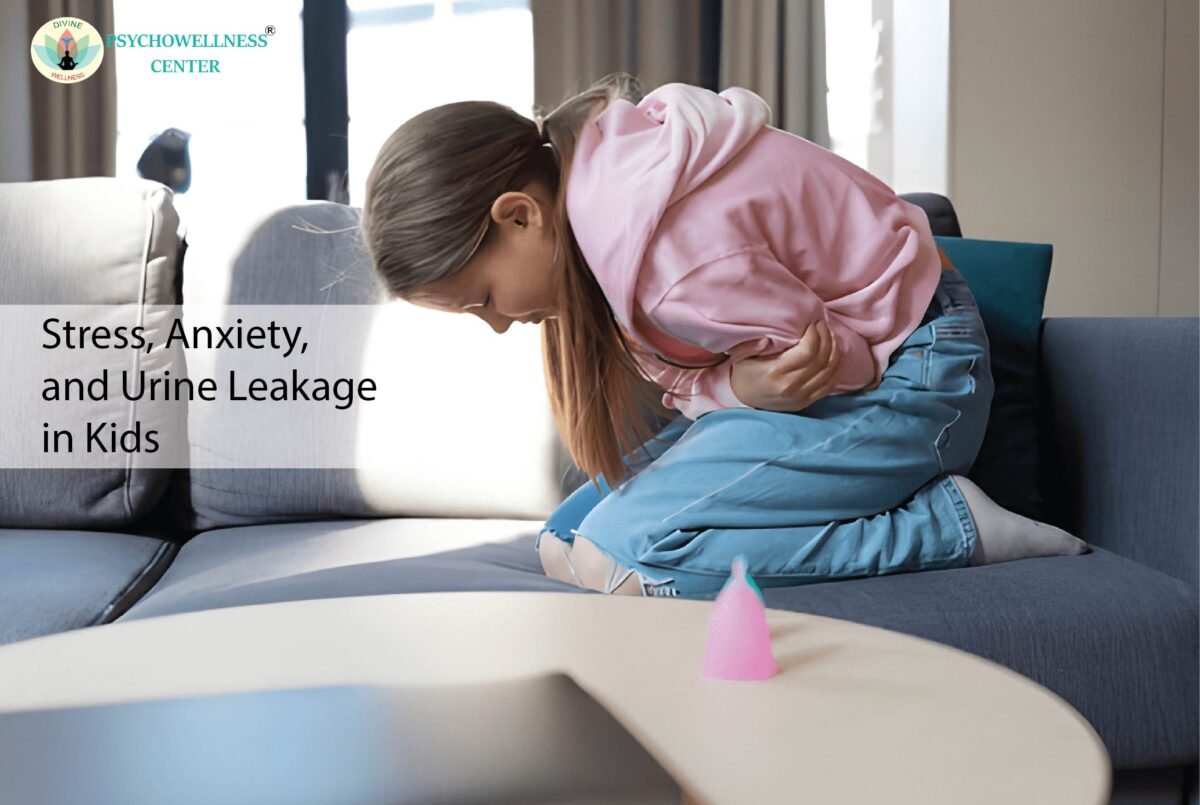
Urine leakage in children—often referred to as daytime wetting or bedwetting—can be confusing and distressing for both kids and caregivers. While medical causes should always be ruled out first, growing evidence shows that emotional and psychological factors play a major role in how a child’s bladder functions. Children’s bodies often express what they cannot yet put into words. When emotions build up, the nervous system can react in ways that affect digestion, breathing, and even bladder control. Understanding this mind–body link is essential for early support and long-term well-being.
How emotional pressure affects the bladder
When children experience stress, their bodies remain in a heightened state of alert. This constant activation of the nervous system can interfere with the signals between the brain and bladder. Muscles may tense, urgency may increase, or control may temporarily weaken. Younger children, in particular, may not recognize these sensations early enough to respond appropriately, leading to leakage episodes that seem sudden or unexplained.
Closely linked is anxiety, which can cause a child to feel constantly “on edge.” Worry about school performance, friendships, or family expectations can make it harder for the body to relax. A tense body does not regulate internal systems smoothly, and the bladder is especially sensitive to this tension.
Social pressures and internal fears
Modern childhood brings unique emotional challenges. One of these is fear of missing out, which can push children to ignore bodily cues because they do not want to leave play, screens, or social situations. When bathroom breaks are delayed repeatedly, accidents become more likely, especially in emotionally charged environments.
Some children develop social anxiety, feeling intense discomfort about being judged by peers. The fear of asking to use the restroom at school or during activities can lead to holding urine for too long. Over time, this disrupts healthy bladder habits and increases the risk of leakage.
Big emotions, small bodies
Children experience strong emotions but often lack the skills to manage them. Feelings such as anger can cause physical tension, while sadness linked to depression may reduce a child’s awareness of their body’s needs. In homes where emotional abuse is present—such as constant criticism, shaming, or invalidation—children may feel unsafe expressing needs, including the need for bathroom breaks.
Emotional isolation also plays a role. Loneliness can quietly amplify internal distress, making children more vulnerable to physical symptoms. When emotional needs are unmet, the body may express discomfort in other ways, including bladder issues.
Motivation, rest, and emotional regulation
Emotional strain often leads to low motivation, affecting daily routines like regular bathroom use, hydration, and self-care. Children who feel overwhelmed may disengage from habits that support healthy bladder control.
Quality sleep is another critical factor. Poor or irregular sleep can disrupt hormone regulation and bladder signalling, increasing nighttime leakage. Emotional distress often interferes with restful sleep, creating a cycle where fatigue worsens emotional coping and physical symptoms.
In some cases, children experience intense episodes of fear or physical discomfort linked to panic disorder. During these moments, the body’s fight-or-flight response can overpower bladder control, leading to sudden accidents that further increase embarrassment and worry.
The role of family dynamics
Supportive parenting is one of the strongest protective factors for children dealing with urine leakage. When caregivers respond with patience rather than punishment, children feel safer discussing accidents and emotional struggles. In contrast, families under chronic pressure may experience burnout, reducing their capacity to notice subtle emotional cues or respond calmly to accidents.
Professional support and therapeutic options
When emotional factors are suspected, professional help can make a meaningful difference. Access to online therapy has expanded support options for families who may face logistical or geographical barriers. Talking through emotions in a structured, supportive setting helps children develop awareness of internal signals and coping strategies.
Traditional counselling remains a valuable tool, especially when sessions involve both the child and caregivers. A trained therapist can help identify emotional triggers linked to urine leakage and guide families toward healthier communication patterns. Specialized kid therapy uses age-appropriate techniques such as play, storytelling, and art to help children express feelings safely. A skilled counsellor can also support parents, helping them respond in ways that reduce shame and reinforce confidence rather than fear.
Building long-term resilience
Beyond addressing immediate symptoms, emotional support helps children build resilience—the ability to adapt and recover from challenges. Teaching simple coping tools such as breathing exercises, body awareness, and mindfulness practices can help children notice early signals from their bodies and respond calmly. When children feel emotionally safe, understood, and supported, their bodies are better able to regulate basic functions, including bladder control. Accidents become less frequent, self-esteem improves, and children gain confidence in managing both emotions and physical needs.
Conclusion
Stress, anxiety, and emotional overwhelm can strongly affect a child’s physical functioning, including bladder control. Urine leakage in kids is rarely “just a habit” or a sign of laziness; instead, it is often the body’s way of expressing unresolved emotional distress. Understanding the emotional roots of this issue allows parents and caregivers to respond with empathy rather than blame, helping children feel safe, supported, and understood during a vulnerable phase of development.
Early identification and emotional intervention play a crucial role in recovery. Seeking child counselling can help children learn healthy coping strategies, regulate anxiety, and express emotions they may struggle to verbalise. With consistent emotional support and professional guidance, children can gradually regain confidence and develop healthier mind–body patterns that support long-term well-being.
Parents looking for a kids therapist near me often benefit from choosing specialists who understand the link between stress, anxiety, and physical symptoms. Consulting the best child psychologist in Delhi can provide evidence-based interventions tailored to a child’s emotional and developmental needs, ensuring both psychological comfort and improved daily functioning.
Psychowellness Center is a reliable resource for counselling and mental health care if you’re looking for expert, approachable, and sympathetic assistance. With qualified therapists experienced in child and adolescent mental health, the centre offers flexible and confidential sessions to address concerns such as anxiety-related urine leakage. Families can reach the Psychowellness Center at 011-47039812 / 7827208707 to take proactive steps toward emotional healing and self-growth for their children.
For families who prefer remote support, online counselling through TalktoAngel provides a convenient and effective way to connect with experienced child mental health professionals from the comfort of home, ensuring timely care and consistent emotional support for children navigating stress and anxiety.
Explore more- https://youtu.be/13VkVRyVsPA?si=wNnyRL4-040-kYON
https://youtu.be/lcR5W2tt_b4?si=P1Ointh6MOsE28eD
https://youtube.com/shorts/PI751E3icj8?si=Vzr7v3ADEhav9HX8
https://youtube.com/shorts/2O7vI1FrtxA?si=NsyF-d73OcqLk7n5
Contribution: Dr. R.K. Suri, Clinical Psychologist, and Ms. Drishti Rajore, Counselling Psychologist
References
- American Academy of Pediatrics. (2022). Bedwetting (enuresis). https://www.healthychildren.org/English/health-issues/conditions/urinary-tract/Pages/Bedwetting.aspx
- National Institute of Mental Health. (2023). Anxiety disorders in children and adolescents. https://www.nimh.nih.gov/health/topics/anxiety-disorders
- Butler, R. J., & Heron, J. (2008). The prevalence of infrequent bedwetting and nocturnal enuresis in childhood. Scandinavian Journal of Urology and Nephrology, 42(3), 257–264. https://doi.org/10.1080/00365590801947643
- Morris, A. S., Criss, M. M., Silk, J. S., & Houltberg, B. J. (2017). The impact of parenting on emotion regulation during childhood and adolescence. Child Development Perspectives, 11(4), 233–238. https://doi.org/10.1111/cdep.12238