
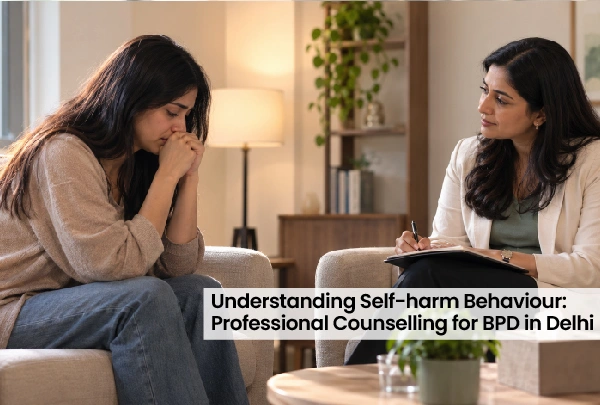
Self-harm can be difficult to understand, both for the person experiencing it and for their family members. Intentionally hurting oneself is one behavior that can occasionally be used as a coping mechanism for severe emotional anguish, great anger, emptiness, rejection, or misery. It can be especially difficult when self-harm coexists with Borderline Personality Disorder (BPD) since emotions can be quite strong and fluctuate quickly.
BPD is associated with difficulties in emotional regulation, unstable self-image, impulsivity, relationship difficulties, and heightened sensitivity to rejection or abandonment. Self-harm and suicidal thoughts can also occur among people with BPD. Importantly, self-harm should never be dismissed as attention-seeking or simply a matter of willpower. It is a serious signal that a person needs understanding, assessment, and appropriate professional support.
What Is Self-Harm Behaviour?
Self-harm refers to deliberately hurting oneself, often as a response to emotional distress. Although self-harm and suicidal behaviour can overlap, they are not always the same. Some individuals may self-harm without intending to die, using the behaviour as an attempt to manage unbearable emotions or escape psychological pain. However, any self-harm carries risks, and suicidal intent should always be assessed by a qualified professional.
For someone experiencing BPD symptoms, self-harm may temporarily reduce emotional intensity. The short-term relief can unfortunately reinforce the behaviour, making it more likely to occur again during future emotional crises. This does not mean the person is weak; rather, it suggests that they may not yet have sufficient alternative coping strategies.
Why Can Self-Harm Occur in BPD?
BPD can involve intense and rapidly changing emotional states. A relatively small interpersonal event may trigger feelings of rejection, abandonment, shame, anger, loneliness, or worthlessness.
Self-harm may then become an immediate attempt to:
- Reduce overwhelming emotional tension
- Distract from emotional or psychological pain
- Express feelings that are difficult to communicate
- Regain a sense of control
- Respond to intense anger or shame
- Cope with feelings of emptiness or disconnection
Understanding these functions is important because effective counselling focuses not only on stopping the behaviour but also on identifying what the behaviour is communicating or helping the individual manage.
Recognising Warning Signs
Family members and friends may notice changes before the individual openly discusses self-harm. Warning signs can include sudden withdrawal, unexplained injuries, increased emotional volatility, intense fear of abandonment, statements about being unable to cope, persistent hopelessness, or significant changes in relationships and daily functioning.
However, these signs do not automatically indicate BPD or self-harm. A thorough evaluation by a licensed mental health practitioner is necessary for diagnosis. BPD can also occur alongside depression, anxiety, trauma-related conditions, substance-use difficulties, eating disorders, or other concerns, making professional assessment particularly important.
How Professional Counselling Can Help
Searching for the best psychologist near me should ideally involve looking beyond online ratings and considering the professional’s qualifications, experience, therapeutic approach, and comfort working with self-harm and personality-related difficulties.
Psychotherapy is considered a primary treatment approach for BPD. Treatment can help individuals understand emotional triggers, recognise patterns, develop healthier coping mechanisms, improve relationships, and gradually reduce destructive behaviours.
One of the best-known approaches is Dialectical Behaviour Therapy (DBT). DBT was specifically developed for individuals experiencing severe emotional dysregulation and is widely used with BPD. It focuses on skills such as mindfulness, distress tolerance, emotion regulation, and interpersonal effectiveness. These skills can provide alternatives to impulsive or self-destructive responses when emotions become overwhelming.
Other psychological approaches may also be considered depending on the individual’s needs. Treatment should be personalised rather than assuming that one therapeutic model is appropriate for everyone.
What Happens During Counselling?
If someone is searching for psychological counseling in my area, they could be wondering if the therapy would address the self-harm right away. A professional assessment generally explores the broader emotional and behavioural pattern.
A therapist may explore:
- Triggers: What situations or emotions tend to precede self-harm?
- Thoughts: What does the person think immediately before and after the behaviour?
- Emotions: Are shame, anger, rejection, loneliness, or emptiness involved?
- Coping: What alternatives are currently available?
- Safety: Is there an imminent threat, suicidal thoughts, or intent?
- Relationships: Are interpersonal conflicts contributing to emotional crises?
- Treatment goals: What changes does the person want to make?
Therapy can also involve developing a safety plan, identifying warning signs, strengthening support systems, and practising healthier ways to tolerate distress. Psychotherapy may include learning to recognise connections between thoughts, emotions, and behaviours and developing practical coping and problem-solving skills.
Supporting Someone Who Self-Harms
Family members should respond with compassion rather than criticism. Statements such as “Just stop doing it” or “You are doing this for attention” can increase shame and discourage help-seeking.
Alternatively, family members may listen with composure, recognize the person’s anguish, promote expert assistance, and treat any discussion of suicide with seriousness. Family members may also benefit from counselling themselves, particularly when they feel frightened, overwhelmed, or unsure about how to respond.
A supportive environment does not mean ignoring safety concerns. If someone is in immediate danger, has severe injuries, or appears at imminent risk of suicide, emergency medical or crisis support should be sought immediately.
Finding a Counselling Psychologist in Delhi NCR
For individuals seeking a counselling psychologist in delhi NCR, the priority should be finding a qualified professional who understands emotional dysregulation, self-harm, personality difficulties, and crisis management.
Therapeutic rapport matters. A person may find it difficult to discuss self-harm because of shame or fear of judgement. A safe, respectful therapeutic relationship can make it easier to talk honestly about painful experiences and gradually develop healthier coping strategies. NIMH also recommends considering a therapist’s credentials, relevant experience, therapeutic approach, treatment goals, and whether the individual feels comfortable working with them.
Conclusion
Self-harm is not simply a behavioural problem it can be an expression of profound emotional distress. In BPD, difficulties with emotional regulation, relationships, impulsivity, and self-image can create situations in which distress feels impossible to manage.
Professional counselling can help individuals understand their emotional patterns, develop safer coping strategies, strengthen relationships, and work toward a more stable and fulfilling life. Evidence-based approaches such as DBT provide structured skills for managing intense emotions and reducing self-destructive behaviours.
Most importantly, self-harm does not have to become a permanent part of someone’s life. With appropriate assessment, consistent therapy, support, and a personalised treatment plan, meaningful improvement is possible.
Frequently Asked Questions
1. Is self-harm always a sign of Borderline Personality Disorder?
No. Self-harm can occur for many reasons and may be associated with depression, trauma, anxiety, eating disorders, substance use, or other psychological difficulties. A professional assessment is needed to determine the underlying concerns.
2. Can BPD-related self-harm be treated?
Yes. Evidence-based psychotherapy can help people with BPD manage emotional distress, reduce self-destructive behaviours, and improve relationships and daily functioning. DBT is one commonly used therapeutic approach.
3. Should family members talk about self-harm?
Yes. A calm, non-judgemental conversation can encourage help-seeking. If there is concern about suicide or immediate danger, the concern should be taken seriously and professional or emergency help should be obtained.
4. How long does counselling for BPD take?
There is no universal timeline. Treatment duration depends on symptoms, safety concerns, co-occurring conditions, treatment goals, therapeutic approach, and consistency with therapy. Progress is often gradual.
5. When should someone seek professional help?
Professional support should be considered whenever self-harm occurs, thoughts of suicide are present, emotional distress is interfering with daily life, or the person feels unable to manage intense emotions safely. Immediate emergency assistance is appropriate when there is imminent danger.
Call to Action
If self-harm, intense emotions, relationship difficulties, or fear of abandonment are affecting your life, you do not have to manage everything alone. Reaching out to a qualified mental health professional can be an important first step toward understanding the underlying distress and developing healthier ways to cope.
Take the first step today: seek a professional assessment and begin a structured, compassionate path toward emotional regulation and recovery.
Contributions: Dr. R.K. Suri, Clinical Psychologist, and Ms Tanu Sangwan, Counselling Psychologist
References
- https://www.psychowellnesscenter.com/Blog/counselling-in-delhi-for-dysregulated-self-image-in-bpd/
- https://www.psychowellnesscenter.com/service-personality-disorder-counselling-delhi/
- https://www.psychowellnesscenter.com/Blog/understanding-the-feeling-of-self-loathing-in-borderline-personality/
- https://www.psychowellnesscenter.com/Blog/best-psychologists-in-rajender-nagar-delhi/
- https://www.psychowellnesscenter.com/Blog/best-clinical-psychologist-in-gurugram-haryana/
- National Institute of Mental Health. (2025). Borderline personality disorder. U.S. Department of Health and Human Services, National Institutes of Health.
- National Institute of Mental Health. (2024). Borderline personality disorder. U.S. Department of Health and Human Services, National Institutes of Health.
- National Institute of Mental Health. (2025). Psychotherapies. U.S. Department of Health and Human Services, National Institutes of Health.
- National Institute of Mental Health. (2025). Frequently asked questions about suicide. U.S. Department of Health and Human Services, National Institutes of Health.
- National Institute for Health and Care Excellence. (2009). Borderline personality disorder: Recognition and management (CG78). NICE.