
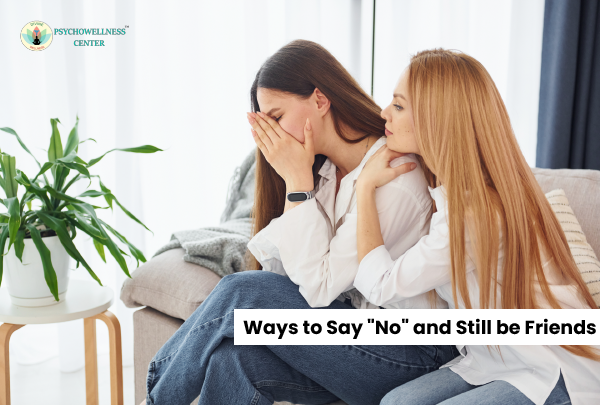
Saying “no” can feel uncomfortable, especially when it involves people we care about. Many of us fear that refusing a request might hurt someone’s feelings, create distance, or even damage the relationship. As a result, we often say “yes” when we actually want to say “no,” leading to feelings of stress, resentment, and emotional exhaustion. However, the ability to say “no” is an essential part of maintaining healthy relationships and protecting your mental well-being. Setting boundaries does not weaken friendships—it strengthens them. When done respectfully, saying “no” can actually build trust, clarity, and mutual respect.
Why is saying “No” so Hard?
Before learning how to say “no,” it’s important to understand why it feels difficult.
- Fear of Rejection-: Many people worry that saying “no” will lead to disapproval or rejection. This fear can trigger anxiety and push individuals to prioritize others’ needs over their own.
- Desire to Please Others:- People-pleasing tendencies often come from a need to be liked or accepted. While kindness is important, constantly saying “yes” can lead to burnout and low motivation.
- Guilt and Over-Responsibility:- Some individuals feel responsible for others’ happiness. Saying “no” may bring guilt, even when the request is unreasonable.
- Lack of Boundaries:- Without clear personal boundaries, it becomes difficult to differentiate between helping others and overextending oneself.
Why Saying “No” Is Important
Learning to say “no” is about balance and self-respect, not selfishness.
- Protects Your Mental Health:- Constantly agreeing to everything can lead to overwhelm, fatigue, and increased stress. Saying “no” allows you to prioritize your well-being.
- Builds Honest Relationships:- Authenticity strengthens friendships. When you are honest about your limits, others are more likely to trust and respect you.
- Prevents Resentment:- Saying “yes” when you don’t mean it often leads to frustration and hidden resentment, which can harm relationships over time.
- Encourages Mutual Respect:- Healthy friendships involve understanding and respecting each other’s boundaries.
Ways to Say “No” Without Hurting the Relationship
Saying “no” does not have to be harsh or uncomfortable. With the right approach, you can decline requests while maintaining warmth and connection.
- Be Honest and Direct
Clarity is kinder than avoidance. You don’t need to give elaborate excuses—simple and honest responses work best.
Example:- “I’d love to help, but I won’t be able to this time.”
This approach reduces confusion and prevents misunderstandings.
2. Use a Gentle Tone
How you say something matters as much as what you say. A warm and calm tone can soften the message and make it easier to accept.
Example:- “I really appreciate you thinking of me, but I’ll have to pass this time.”
3. Show Empathy
Acknowledging the other person’s feelings helps maintain emotional connection.
Example:– “I know how important this is to you, and I wish I could help, but I’m not available at this time.”
Empathy reassures the other person that your refusal is not a rejection of them.
4. Offer an Alternative (If Possible)
If you genuinely want to help but cannot meet the specific request, offering an alternative shows care and willingness.
Example:- “I can’t join this weekend, but maybe we can catch up next week?”
5. Set Clear Boundaries
Being consistent with your boundaries helps others understand your limits.
Example:- “I’m trying to focus on my personal time in the evenings, so I won’t be able to commit.”
Clear boundaries reduce repeated pressure and protect your energy.
6. Avoid Over-Explaining
You don’t have to give a lengthy defense of your choice. Over-explaining can create room for negotiation or guilt.
A simple “no” with a brief reason is enough.
7. Practice Saying “No”
If saying “no” feels uncomfortable, start with small situations. Gradually, it will become more natural and less stressful.
Handling Reactions to Your “No”
Sometimes, people may feel disappointed or react negatively. It’s important to remember that their reaction is not your responsibility.
- Stay Calm and Respectful
Avoid becoming defensive. Reiterate your boundary calmly.
2. Don’t Give In to Pressure
Changing your decision out of guilt can reinforce unhealthy patterns and increase stress.
3. Accept That Discomfort Is Normal
Saying “no” may feel uncomfortable at first, but it becomes easier with practice.
4. When Saying “No” Feels Especially Difficult
There are situations where saying “no” can be particularly challenging, such as:
- Close friendships where emotional expectations are high
- Workplace relationships where boundaries are unclear
- Family-like friendships where obligations feel stronger
In such cases, the fear of conflict or losing the relationship may increase anxiety. However, avoiding boundaries often leads to deeper emotional strain over time.
The Role of Communication in Healthy Friendships
Healthy friendships are built on open and honest communication. Being able to express your needs without fear is a sign of a strong relationship.
When both individuals:
- Respect each other’s boundaries
- Communicate openly
- Support each other’s well-being
friendship becomes more balanced and fulfilling.
Balancing Kindness and Self-Respect
Saying “no” does not mean you are unkind or uncaring. In fact, it allows you to show up more genuinely in your relationships.
When you protect your energy:
- You avoid emotional exhaustion
- You engage more meaningfully when you do say “yes”
- You maintain better emotional balance
This balance reduces feelings of burnout and supports overall well-being.
Practical Phrases You Can Use
Here are some simple and respectful ways to say “no”:
- “At this time, I am unable to commit to this.”
- “I have to concentrate on my priorities right now.”
- “That doesn’t work for me, but I hope it goes well.”
- “I appreciate the invitation, but I’ll have to decline.”
- “I’m not available, but let’s plan something another time.”
When to Reflect on Your Boundaries
If you often feel overwhelmed, drained, or resentful, it may be a sign that your boundaries need attention.
Ask yourself:
- Am I saying “yes” out of obligation or fear?
- Do I feel comfortable expressing my needs?
- Am I prioritising others at the cost of my well-being?
Reflecting on these questions can help you build healthier patterns.
Conclusion
Learning to say “no” is an essential life skill that supports both personal well-being and healthy relationships. While it may feel uncomfortable at first, it is a powerful way to establish boundaries, reduce stress, and prevent emotional burnout. True friendships are not based on constant agreement but on mutual respect, honesty, and understanding. When you communicate your limits with kindness and clarity, you create space for more authentic and meaningful connections. Saying “no” doesn’t weaken a bond—it strengthens it by building trust and emotional clarity between people.
If you find it challenging to set boundaries or maintain relationships while honouring your needs, seeking professional guidance can make a meaningful difference. Psychowellness Center offers compassionate, evidence-based support to help individuals develop assertiveness, improve communication, and maintain healthy interpersonal dynamics. Whether you’re looking for a psychologist near me, a counsellor near me, or the best psychologists in Delhi, the center provides personalised care tailored to your emotional and relational well-being. You can visit their centres in Dwarka and Janakpuri, New Delhi, or contact them at 011-47039812 / 7827208707 for appointments and further assistance.
Additionally, Psychowellness Center shares valuable resources through their YouTube channel, featuring videos on happiness, mindfulness, emotional balance, and nurturing friendships. These videos offer practical tips and relatable insights that align with the idea of setting boundaries while preserving meaningful connections, helping you apply these concepts in everyday life. Remember, saying “no” is not about pushing people away—it is about making room for balance, self-respect, and genuine relationships that can grow stronger over time.
Contributions: Dr. R.K. Suri, Clinical Psychologist, and Ms. Sakshi Dhankhar, Counselling Psychologist
References
- Cloud, Henry, & Townsend, John. (2017). Boundaries: When to say yes, how to say no to take control of your life. Zondervan.
- Brown, Brené. (2012). Daring Greatly: How the courage to be vulnerable transforms the way we live, love, parent, and lead. Gotham Books.
- Linehan, Marsha M.. (2015). DBT Skills Training Manual (2nd ed.). Guilford Press.