
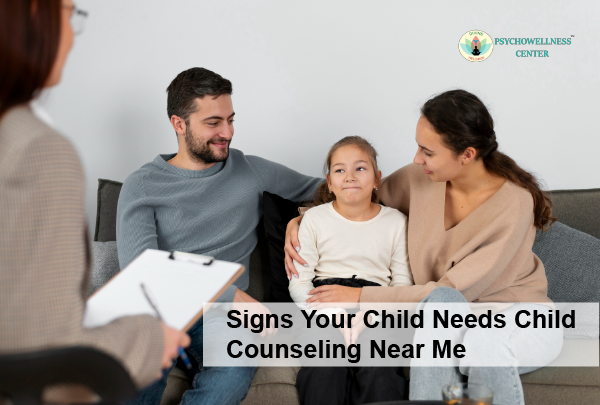
Children often experience a wide range of emotions as they grow, but sometimes their struggles go beyond typical developmental challenges. As a parent or caregiver, it can be difficult to determine when a child’s behavior signals something more serious that requires professional support. Recognizing the early signs that your child may need counseling can make a significant difference in their emotional, social, and psychological well-being.
In today’s fast-paced and often stressful world, children are increasingly exposed to academic pressure, social challenges, family conflicts, and digital influences. These factors can sometimes overwhelm their coping abilities. Seeking timely help from a qualified child counselor near me can provide the support and tools your child needs to navigate these difficulties effectively.
Understanding Child Counseling
Child counseling is a specialized form of therapy that focuses on helping children express their emotions, develop healthy coping mechanisms, and address behavioral or emotional concerns. Through techniques such as play therapy, cognitive-behavioral strategies, and creative expression, counselors create a safe and supportive environment where children can open up without fear or judgment.
Common Signs Your Child May Need Counseling
1. Sudden Behavioral Changes
One of the most noticeable signs is a sudden shift in your child’s behavior. If a generally calm and happy child becomes aggressive, withdrawn, or excessively irritable, it may indicate underlying emotional distress. These changes can stem from stress, anxiety, or unresolved feelings.
2. Persistent Sadness or Anxiety
While occasional sadness is normal, prolonged feelings of sadness, worry, or fear may point to deeper issues such as anxiety or depression. If your child frequently appears tearful, nervous, or overwhelmed without a clear reason, professional guidance from the best child psychologists in India may be beneficial.
3. Difficulty in School
Academic struggles, lack of concentration, declining grades, or refusal to attend school can be warning signs. These issues may not always be academic in nature but could be linked to emotional challenges, bullying, or learning difficulties.
4. Social Withdrawal
Children naturally enjoy interacting with peers, but if your child starts avoiding friends, family gatherings, or social activities, it may indicate discomfort, low self-esteem, or emotional distress.
5. Changes in Sleep or Appetite
Significant changes in sleeping patterns, such as insomnia, nightmares, or excessive sleeping, or noticeable shifts in eating habits, can be signs of stress or emotional imbalance.
6. Frequent Tantrums or Aggression
While younger children may have tantrums, frequent or intense outbursts beyond a certain age may suggest difficulty managing emotions. Aggressive behavior toward others or self can also signal the need for intervention.
7. Regression in Behavior
If your child starts exhibiting behaviors they had previously outgrown, such as bedwetting, thumb-sucking, or separation anxiety, it may indicate stress or insecurity.
8. Trouble Expressing Emotions
Some children struggle to articulate their feelings. Instead of verbalizing emotions, they may act out or become withdrawn. Counseling can help them identify and express emotions healthily.
9. Exposure to Trauma or Major Life Changes
Events such as parental divorce, relocation, loss of a loved one, or exposure to conflict can deeply affect a child. Even if the child appears to cope initially, underlying stress may surface later.
10. Physical Complaints Without Medical Cause
Frequent headaches, stomachaches, or fatigue without a clear medical reason can sometimes be linked to emotional distress or anxiety.
Why Early Intervention Matters
Addressing emotional and behavioral concerns early can prevent them from escalating into more serious mental health issues. Early counseling helps children build resilience, emotional intelligence, and problem-solving skills that benefit them throughout life.
Ignoring these signs may lead to long-term consequences such as academic difficulties, strained relationships, or mental health disorders. Seeking help is not a sign of failure as a parent, it is a proactive step toward your child’s well-being.
How Counseling Helps Children
Child counseling provides a structured environment where children can:
- Express their thoughts and feelings safely
- Learn coping strategies for stress and anxiety
- Improve communication and social skills
- Develop self-confidence and emotional control
- Address behavioral issues constructively
Therapists often involve parents in the process to ensure a supportive environment at home as well.
Choosing the Right Counseling Support
When searching for “child counseling near me,” it is essential to choose a trusted and experienced center that specializes in child and adolescent mental health. A professional setting with trained psychologists ensures that your child receives evidence-based care tailored to their unique needs.
Psychowellness Center is one such reliable mental health service provider offering expert child counseling. With experienced best psychologists in India, best autism counselors in Dwarka, and ADHD counselors in Janakpuri, and a child-friendly approach, the center focuses on understanding each child’s individual challenges and providing personalized interventions.
The Psychowellness Center is conveniently located in Janakpuri and Dwarka Sector 17, making it accessible for families in and around these areas. If you are concerned about your child’s emotional or behavioral health, you can reach out for professional guidance at 011-47039812 / 7827208707.
When Should You Seek Help Immediately?
While some signs may develop gradually, certain situations require immediate professional attention:
- Talk of self-harm or harming others
- Extreme withdrawal or isolation
- Severe anxiety or panic attacks
- Sudden drastic personality changes
- Exposure to abuse or trauma
In such cases, do not delay seeking professional support.
Breaking the Stigma Around Child Counseling
Many parents hesitate to seek counseling due to societal stigma or fear of labeling their child. However, mental health is just as important as physical health. Counseling is not about labeling, it is about understanding, supporting, and empowering your child.
Normalizing conversations around mental health can create a supportive environment where children feel safe to share their feelings. When parents take proactive steps, it teaches children that seeking help is a strength, not a weakness.
Conclusion
Every child deserves to grow up feeling safe, understood, and emotionally supported. Paying attention to early warning signs and seeking timely counseling can significantly improve your child’s quality of life. Whether your child is facing emotional challenges, behavioral issues, or simply needs guidance in coping with stress, professional counseling can make a meaningful difference.
If you notice persistent changes in your child’s behavior or emotional state, trust your instincts and consider reaching out to a qualified child counselor. Support from experienced professionals, such as those at Psychowellness Center in Janakpuri and Dwarka, can help your child navigate challenges and build a healthier, happier future.
Contributions: Dr. R.K. Suri, Clinical Psychologist, and Ms. Sakshi Dhankhar, Counselling Psychologist
References
American Academy of Child & Adolescent Psychiatry. (2020). When to seek help for your child. https://www.aacap.org
https://www.psychowellnesscenter.com/Blog/signs-your-child-needs-professional-child-counselling/
https://www.psychowellnesscenter.com/Blog/signs-your-child-may-need-counseling-for-bullying-trauma/
Kazdin, A. E. (2017). Parent management training: Treatment for oppositional, aggressive, and antisocial behavior in children and adolescents. Oxford University Press.
Kendall, P. C. (2011). Child and adolescent therapy: Cognitive-behavioral procedures (4th ed.). Guilford Press.