
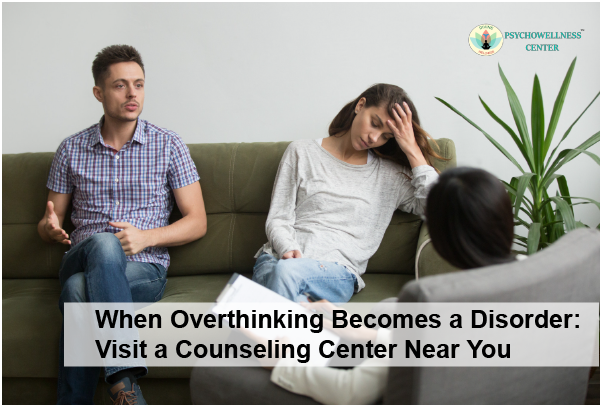
We all overthink at times, replaying conversations, worrying about the future, or analyzing past decisions. But when overthinking becomes repetitive, uncontrollable, and emotionally draining, it may go beyond a habit and enter the realm of a psychological concern. Understanding when overthinking becomes a disorder is the first step toward seeking help and regaining control over your mental well-being.
What is Overthinking?
Overthinking, often referred to as rumination, involves persistent and repetitive thoughts about problems, emotions, or experiences. While occasional reflection is normal, chronic rumination can interfere with daily functioning and emotional balance. Research suggests that such repetitive thinking is strongly linked with mental health conditions like depression and anxiety.
Unlike productive thinking, overthinking does not lead to solutions. Instead, it creates a loop of negative thoughts that intensify emotional distress and reduce clarity.
When Does Overthinking Become a Disorder?
Overthinking becomes problematic when it:
- Feels uncontrollable
- Interferes with daily life and decision-making
- Causes emotional exhaustion
- Impacts sleep and relationships
Studies show that rumination and worry are core processes underlying several psychological disorders, including generalized anxiety disorder and obsessive-compulsive patterns. When thoughts become intrusive and persistent, professional intervention may be necessary.
Psychological and Physical Impact
Chronic overthinking doesn’t just affect the mind; it also influences the body. Constant mental activity keeps the nervous system activated, increasing stress levels and affecting overall physical health. Individuals may experience fatigue, headaches, muscle tension, and sleep disturbances.
Emotionally, overthinking reduces emotional control, making it difficult to regulate feelings effectively. It may also lead to self-doubt, low confidence, and difficulty making decisions. Over time, this cycle can contribute to burnout and reduced quality of life.
The Link Between Overthinking and Mental Health Disorders
Overthinking is not a disorder on its own but is often a symptom of underlying psychological conditions. Research indicates that rumination maintains and worsens symptoms of depression and obsessive thinking patterns.
It is also closely linked with:
- Generalized Anxiety Disorder (GAD)
- Obsessive-Compulsive Disorder (OCD)
- Depression
In such cases, simply trying to “stop thinking” is ineffective. Structured interventions like anxiety counselling and evidence-based therapies are essential for long-term relief.
Signs You May Need Professional Help
You may consider seeking help if:
- You feel mentally stuck in repetitive thoughts
- Your thoughts interfere with work or relationships
- You experience constant worry or fear
- You struggle with sleep due to overthinking
Searching for a therapist near me can be the first step toward understanding and managing your thought patterns. Early intervention can prevent the progression of symptoms and support recovery.
Effective Strategies to Manage Overthinking
While professional support is crucial, certain habits can help manage overthinking:
1. Practice Mindful Awareness
Engaging in mindfulness helps you observe your thoughts without judgment. It allows you to step back from repetitive thinking and focus on the present moment.
2. Set Clear Goals
Structured goal setting helps shift focus from rumination to action. Breaking tasks into smaller steps reduces overwhelm and builds confidence.
3. Focus on Self-Growth
Adopting habits that promote self-improvement, such as journaling or skill-building, can redirect mental energy toward positive outcomes.
4. Use Therapeutic Techniques
Approaches like mindfulness therapy and Cognitive Behavioural Therapy (CBT) help individuals identify and challenge negative thought patterns. These therapies are widely supported by research for treating rumination and anxiety-related conditions.
Why Visiting a Counseling Center Matters
While self-help strategies can be useful, they may not address the root causes of chronic overthinking. Professional therapy provides:
- A safe and non-judgmental space
- Personalized coping strategies
- Tools to improve emotional regulation
- Insight into underlying psychological patterns
Seeking psychological counselling in Delhi offers access to trained professionals who understand the cultural and social context of individuals. Working with the Best Psychologists in Delhi ensures evidence-based treatment tailored to your needs.
The Role of Professional Support
Therapists use structured approaches to help individuals break the cycle of overthinking. These may include:
- Cognitive restructuring
- Behavioral activation
- Relaxation and grounding techniques
- Emotional regulation training
Professional support not only reduces symptoms but also enhances long-term resilience and coping abilities.
Conclusion
Overthinking may start as a harmless habit but can gradually evolve into a distressing and limiting experience. When thoughts become repetitive, intrusive, and emotionally overwhelming, it is important to recognize the need for support. Seeking help from a qualified mental health professional can provide clarity, relief, and effective coping strategies. Visiting a counseling center or connecting with a trained therapist can be a transformative step toward mental well-being. With the right guidance, individuals can break free from the cycle of overthinking, regain control over their thoughts, and lead a more balanced and fulfilling life.
To learn more about managing overthinking and developing healthier thought patterns, you can explore professional support at the Psychowellness Center. Services are available in-person at Dwarka and Janakpuri, New Delhi (Contact: 011-47039812 / 7827208707) and online through TalktoAngel, making it convenient to access support from qualified professionals. With the guidance of a trained mental health expert, individuals can better understand their thinking patterns, improve emotional regulation, and work toward a calmer and more balanced state of mind in a safe and supportive environment.
Managing overthinking requires developing strong Emotion Control skills, which help individuals regulate overwhelming thoughts and respond more calmly to triggers. Persistent Anxiety can make thoughts feel uncontrollable, but learning How to Set Goals can provide direction and reduce mental clutter. By breaking tasks into small, achievable steps, individuals can shift focus from rumination to action. This structured approach supports clarity, confidence, and overall mental well-being.
Contributions: Dr. R.K. Suri, Clinical Psychologist, and Ms. Mahima Mathur , Counselling Psychologist
REFERENCES
Dar, K. A., & Iqbal, N. (2015). Worry and rumination in generalized anxiety disorder and obsessive-compulsive disorder. The Journal of Psychology, 149(8), 866–880.
Ehring, T. (2021). Thinking too much: Rumination and psychopathology. World Psychiatry, 20(3), 441–442.
Flaherty, A. W., Katz, D., Chosak, A., et al. (2022). Treatment of overthinking: A multidisciplinary approach to rumination and obsession spectrum. Journal of Clinical Psychiatry.
https://www.psychowellnesscenter.com/Blog/therapy-near-you-for-overthinking-minds/
https://www.psychowellnesscenter.com/Blog/8-tips-to-stop-overthinking/
https://www.psychowellnesscenter.com/Blog/why-do-you-feel-restless-and-unable-to-concentrate/
https://www.psychowellnesscenter.com/Blog/exiting-from-the-loop-of-anxiety-and-overthinking/